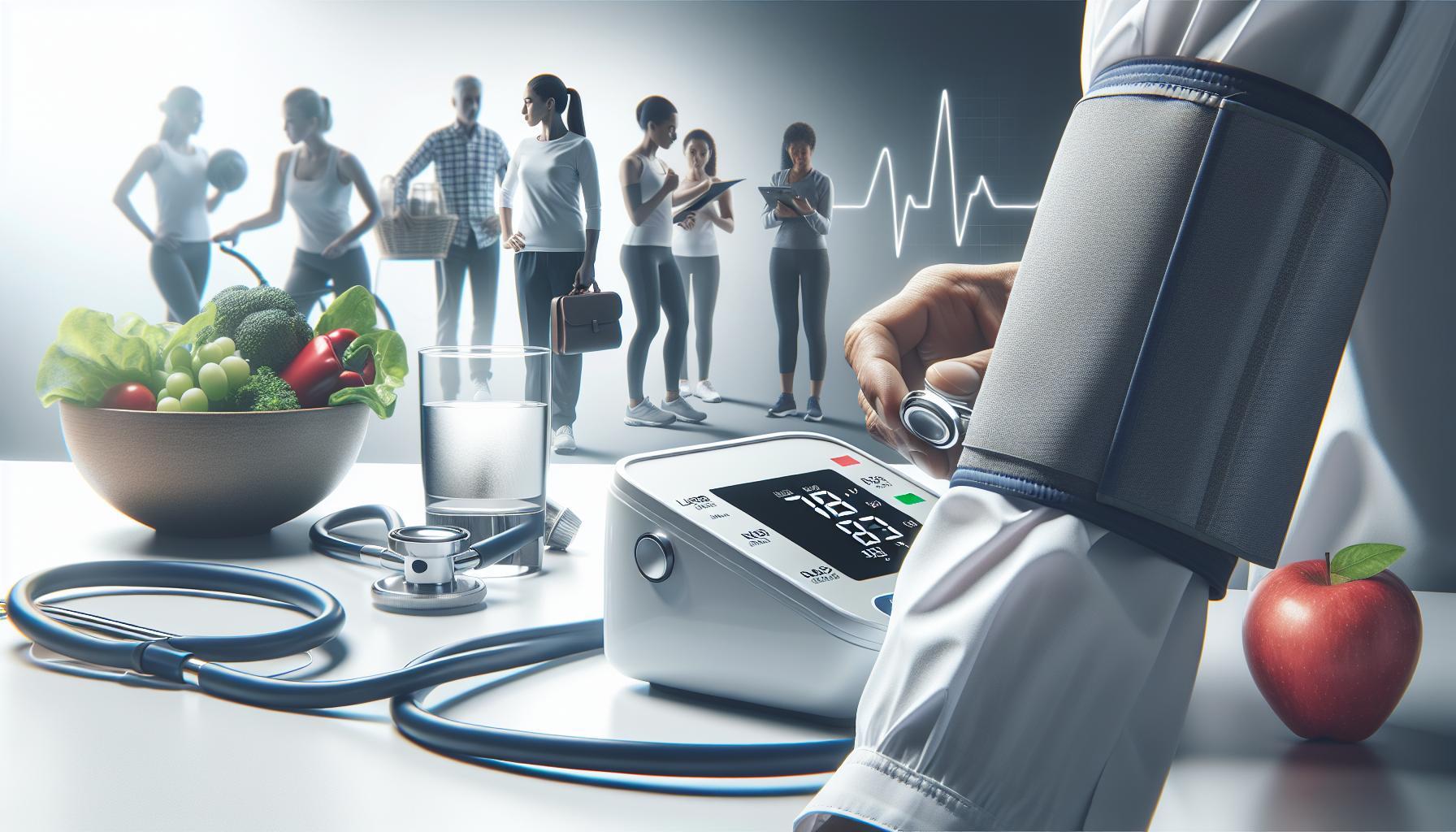

Did you know that nearly half of adults in the United States have high blood pressure, often without realizing it? Monitoring your blood pressure at home can be crucial for managing your health, especially if you have hypertension or other cardiovascular concerns. However, to ensure accurate readings, calibrating your blood pressure monitor is essential.
In this guide, we’ll take you through simple, DIY steps to calibrate your blood pressure monitor effectively. With the right techniques, you can gain confidence in your readings, which is vital for timely interventions and lifestyle adjustments. Accurate measurements empower you to take charge of your health, stay informed, and communicate effectively with your healthcare provider. Let’s explore how to keep your monitor in top shape to support your heart health journey!
Choosing the Right Blood Pressure Monitor for You

When considering the right blood pressure monitor for your health needs, it’s essential to understand the various types available to ensure you choose one that is both effective and user-friendly. Blood pressure monitors generally fall into two categories: manual and automatic. Automatic monitors, often the preferred choice for home use, provide a digital readout and are easy to operate, making them accessible for most individuals, especially those with limited dexterity. In contrast, manual monitors require more skill to use accurately, as they rely on a stethoscope and hand-pumping the cuff, often best suited for healthcare professionals.
A key factor in selecting a monitor is cuff size. An ill-fitting cuff can lead to inaccurate readings, so it’s critical to measure your arm circumference and choose a cuff that accommodates your size. Many monitors come with adjustable cuffs, but always verify the specifications to avoid errors. Moreover, features such as memory storage, averaging readings over time, and the ability to connect to mobile apps can enhance your monitoring experience. These features allow for better tracking of blood pressure trends and sharing information with healthcare providers.
Before making a purchase, consider your monitoring frequency and health status. If you have high blood pressure or other cardiovascular risk factors, investing in a reliable and easy-to-use monitor can help in better managing your condition. Additionally, ensure that the device is validated for accuracy by recognized health organizations. Look for reviews or recommendations based on clinical evidence to help you make an informed choice. Ultimately, selecting a monitor that fits your lifestyle and health requirements will empower you to take charge of your blood pressure health confidently.
Understanding Blood Pressure Readings Before Calibration
Understanding your blood pressure readings is crucial before proceeding with the calibration of your monitor. Blood pressure is expressed as two numbers: systolic (the pressure in your arteries when your heart beats) over diastolic (the pressure in your arteries when your heart rests between beats). Normal blood pressure typically falls below 120/80 mmHg, while readings above this threshold can indicate elevated blood pressure or hypertension. Having a grasp of these numbers not only aids in accurate tracking but also empowers you to make informed health decisions.
To effectively manage your blood pressure, familiarize yourself with what each reading indicates. For instance:
- Normal: Less than 120/80 mmHg
- Elevated: 120-129/<80 mmHg
- Hypertension Stage 1: 130-139/80-89 mmHg
- Hypertension Stage 2: 140 or higher/90 or higher mmHg
- Hypertensive Crisis: Higher than 180 and/or higher than 120 mmHg (immediate medical attention required)
Understanding these ranges prepares you for when you’re ready to calibrate your monitor. Calibration is essential to ensure your readings are precise, as even a small error can lead to significant health impacts. In the process of calibration, it’s useful to compare your monitor’s readings against those from a professional device. This comparison will highlight any discrepancies, providing you with a clear direction for necessary adjustments.
Moreover, when assessing your results, it’s vital to take into consideration factors that can influence readings, such as stress, time of day, physical activity, and even the position of your body. These variables can lead to fluctuations, making consistent reading conditions critical for accurate calibration. Recognizing these nuances will not only enhance the reliability of your monitor but also contribute to a more comprehensive understanding of your cardiovascular health.
Essential Tools Needed for DIY Calibration
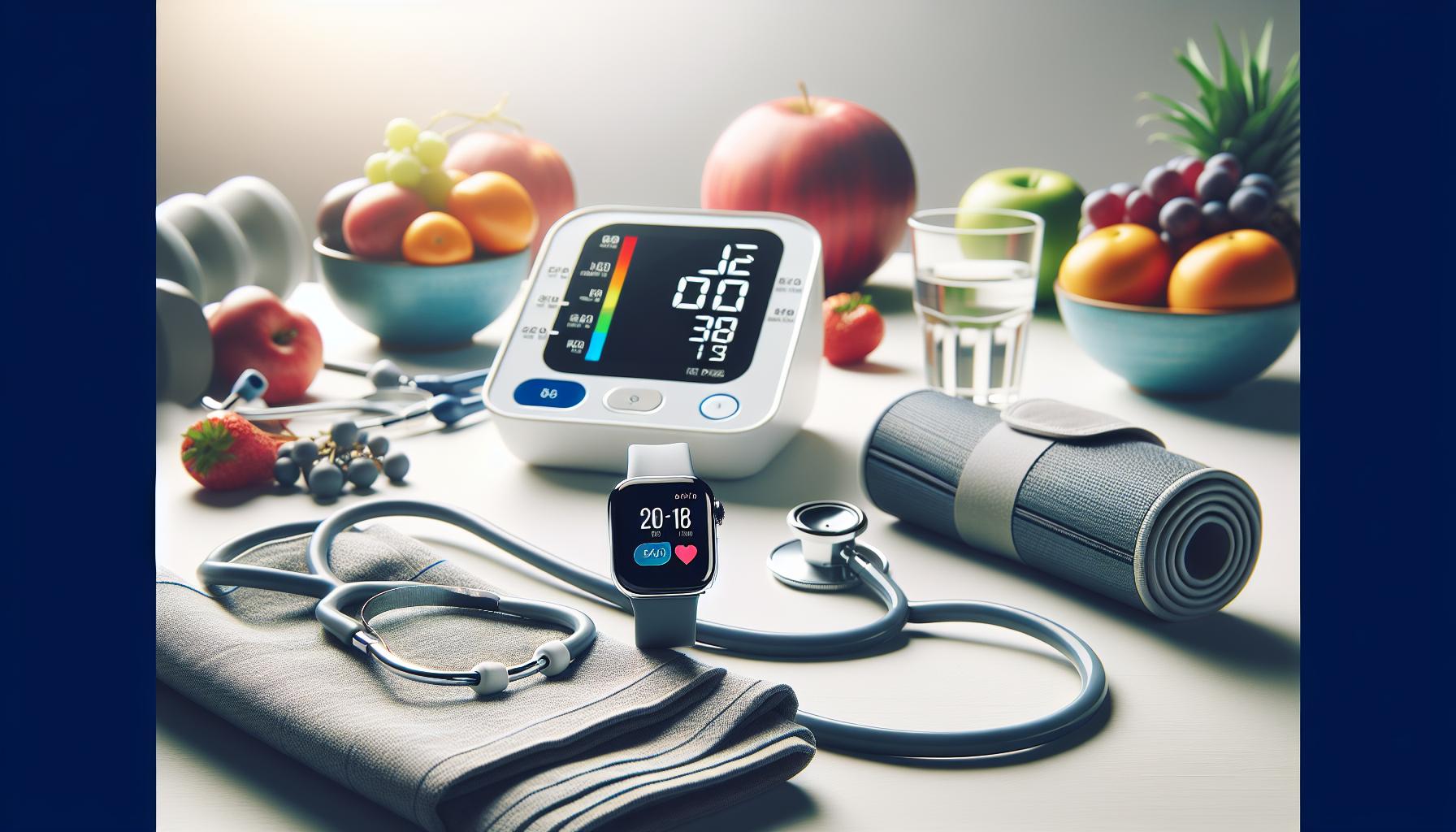
To ensure accurate readings from your blood pressure monitor, having the right tools for DIY calibration is essential. Calibration helps maintain the precision of your monitor, ensuring that your health management is based on reliable data. Here’s a look at the essential tools that can help you achieve this objective.
First and foremost, a professional-grade sphygmomanometer is crucial for calibrating your automatic monitor against a trusted standard. This device, often used in medical settings, will provide a precise measure of your blood pressure against which you can compare your home monitor’s readings. Aim to acquire a manual sphygmomanometer with an accompanying stethoscope if you’re comfortable using it, as it allows for greater control over the measurement process.
In addition to a professional-grade sphygmomanometer, consider having a calibration log or a dedicated notebook. Documenting your readings each time you calibrate will help track trends over time, making it easier to identify any systemic errors in your monitor. Write down the date, time, and results from both your home monitor and the professional device. This organized approach not only enhances your accuracy but also aids in discussions with your healthcare provider about your blood pressure management.
Other tools you might find helpful include:
- A reliable power source for your electronic monitor to ensure it functions correctly without interruptions.
- A tape measure to check the circumference of your arm, ensuring the cuff size is suitable for your monitor, which can influence readings.
- A smartphone or app to remind you to calibrate regularly and log your readings efficiently.
By gathering these essential tools, you empower yourself to perform effective DIY calibration. This proactive approach will enhance your ability to monitor your blood pressure accurately, ultimately reinforcing your commitment to maintaining your cardiovascular health. Regular calibration not only helps you track your condition more effectively but also fosters a stronger partnership with your healthcare provider in managing your comprehensive health strategy.
Step-by-Step Guide to Calibrating Your Monitor
Getting accurate blood pressure readings is crucial for effective health management, especially for individuals monitoring chronic conditions like hypertension. Calibrating your blood pressure monitor at home can ensure that the readings you rely on are precise and reflective of your actual health status. Below is a straightforward guide to help you calibrate your monitor effectively.
Start by ensuring that you have all the essential tools ready, including your blood pressure monitor, a professional-grade sphygmomanometer, and a logbook for tracking your calibrations. Begin the calibration process in a quiet environment to minimize distractions, as a calm setting can affect your readings.
Next, follow these steps for calibration:
- Prepare Yourself and Your Equipment: Sit comfortably in a chair with your back supported and legs uncrossed. Rest for at least five minutes before taking any measurements. Ensure that your manual sphygmomanometer is calibrated and functioning properly, as this will serve as your reference.
- Measure Your Blood Pressure with the Sphygmomanometer: Place the cuff of the sphygmomanometer around your upper arm, ensuring it fits snugly but is not too tight. Inflate the cuff and listen for the first heartbeat as you slowly release the air. Note the systolic pressure (the first sound) and diastolic pressure (when the sound disappears). Record these measurements meticulously in your logbook.
- Measure Your Blood Pressure with Your Automatic Monitor: After recording the manual reading, take the same measurement with your home monitor following the manufacturer’s instructions. Ensure the cuff is positioned similarly to the way it was for the manual measurement.
- Compare the Readings: After recording the results from both devices, compare them. A small difference is expected due to the differences in calibration, but significant discrepancies may indicate that your home monitor needs recalibration. If the readings differ by more than 5 mmHg, it is advisable to recalibrate your device.
- Recalibrate if Necessary: Most digital monitors allow for adjustments based on calibration readings. Consult your monitor’s user manual for the specific steps to recalibrate it. Adjust the settings on your monitor to align closer with the manual readings you’ve documented.
- Document Everything: Update your calibration log with all readings and adjustments made during the process. This log will help you track any persistent discrepancies in readings over time, which is vital for ongoing health discussions with your healthcare provider.
By following these steps, you empower yourself to maintain the accuracy of your blood pressure monitor. Regular calibration fosters confidence in your readings and plays a significant role in managing your health effectively. Consistent monitoring and accurate calibration are foundational elements in preventing hypertension-related complications and ensuring successful long-term health outcomes.
Common Calibration Errors and How to Avoid Them
Ensuring the accuracy of your blood pressure monitor is vital, yet many individuals encounter common pitfalls during the calibration process. Recognizing these errors can significantly enhance the dependability of your readings and bolster your health management journey.
One frequent mistake is measuring blood pressure in a rushed or unsettled state. To avoid this, always take a moment to relax before a reading. A proper setup entails sitting comfortably, with your back supported and legs uncrossed, and resting for at least five minutes. This foundational step ensures you’re in an optimal state for an accurate measurement. Additionally, neglecting to use a calibrated reference device, such as a manual sphygmomanometer, can lead to incorrect conclusions about your monitor’s performance. Always verify that your reference equipment is functioning correctly and well-calibrated before relying on it as a benchmark.
Improper cuff placement is another common error that can skew results. Ensure that the cuff fits snugly around your upper arm, positioned at heart level. A cuff that’s too loose or tightly wrapped can lead to erroneous readings-often a significant source of frustration. When taking multiple readings, give your body a moment to stabilize between measurements; waiting at least one to three minutes can yield more consistent results.
Lastly, meticulous record-keeping is crucial. Failing to document your readings, including the settings used during calibration and the environment in which measurements were taken, can obscure trends and patterns critical for managing your health. With organized logs, you can easily track discrepancies over time, enabling more informed discussions with your healthcare provider about your blood pressure management. By being mindful of these common pitfalls and taking proactive steps to avoid them, you can maintain a high level of accuracy in your blood pressure monitoring efforts, which is essential for informed health decisions.
Verifying Calibration Accuracy: How to Do It
To ensure your blood pressure monitor is providing accurate readings, verifying its calibration is crucial. Regular checks empower you to manage your health proactively, especially if you are monitoring conditions like hypertension. A simple and effective way to verify calibration is to compare your blood pressure monitor’s readings with those taken using a calibrated manual sphygmomanometer during a visit to your healthcare provider.
Start by measuring your blood pressure using your digital monitor, ensuring to follow best practices: sit quietly, position the cuff correctly, and take the reading under the same conditions each time. Afterward, use a manual sphygmomanometer, usually available at your doctor’s office, to take a reading. Note the values from both devices. If the readings are within a few mmHg of each other, your monitor is likely calibrated correctly. If you notice significant discrepancies-generally greater than ±5 mmHg-it’s time to recalibrate your device or consult the manufacturer’s guidelines for troubleshooting.
Additionally, regular self-checks can fortify confidence in your monitor’s performance. You might consider establishing a routine by checking your readings weekly or bi-weekly against a reference measurement at your healthcare provider. Keep a log of both sets of readings to help identify patterns over time. This method not only helps confirm the accuracy of your device but also provides your healthcare provider with valuable data, enabling more informed discussions about your blood pressure management.
Finally, it’s essential to recognize that external factors can impact your monitor’s accuracy. Calibration is sensitive to changes in temperature, humidity, and even the physical condition of the equipment. If your monitor has been exposed to extreme temperatures or if the cuff has sustained wear and tear, it may require recalibration or even replacement. Maintaining your device with care and routinely verifying its accuracy will safeguard the reliability of your readings, ultimately empowering you to take charge of your health.
Maintaining Your Blood Pressure Monitor for Longevity
To ensure accurate and reliable readings from your blood pressure monitor, maintaining it properly is essential. Just like any other health-related equipment, regular maintenance will not only prolong its lifespan but also enhance the accuracy of your readings. A well-maintained device minimizes the risk of incorrect measurements, allowing you to manage your health confidently and effectively.
Start by following the manufacturer’s guidelines for care and storage. Make sure to keep your monitor in a dry place, away from extreme temperatures or humidity, as these can affect its performance. When not in use, store it in a protective case to prevent physical damage, and be cautious not to wrap the cuff too tightly around the monitor during storage, which can affect calibration and function. Regular cleaning is also key; use a soft, damp cloth to wipe down the exterior and avoid harsh chemicals that could damage the device.
It’s crucial to check the cuff regularly for wear and tear. The cuff is a significant component for getting accurate measurements, and any damage can lead to leakage or incorrect readings. If you notice fraying or other signs of damage, consider replacing it promptly to avoid inaccuracies. Additionally, refer to the battery life indicator; low battery power can lead to faulty readings. Regularly replace batteries as suggested by the manufacturer and consider using rechargeable batteries for sustainability.
Incorporate routine checks into your health management schedule. For example, consider checking your monitor’s accuracy against a manual sphygmomanometer at least once a month, or whenever you feel the device might be malfunctioning. Keeping a log of both readings can help identify when recalibration might be necessary.
In essence, a systematic approach to maintaining your blood pressure monitor will help ensure its longevity and effectiveness. By nurturing this tool and being proactive about its care, you’re making a critical investment in your health management routine, placing crucial power back into your hands.
Signs Your Blood Pressure Monitor Needs Professional Calibration
Monitoring your blood pressure at home can be empowering, but relying on inaccurate readings can compromise your health. It’s vital to recognize when your blood pressure monitor may need professional calibration, as correct measurements are crucial for effective management of your health. Here are some telltale signs that your device may require immediate attention from a professional.
One of the most significant indicators is a noticeable discrepancy in readings compared to another monitor or a manual sphygmomanometer. If your monitor consistently shows significantly different results-especially if those readings are within the normal ranges during visits to your healthcare provider-this could signal that calibration is necessary. Additionally, if you find that the readings from your monitor are fluctuating widely without any underlying changes in your physical condition (such as stress or exercise), this inconsistency may suggest that the device is responding to errors rather than your actual blood pressure.
Another sign to watch for is an error message on digital monitors. Most devices are equipped with built-in diagnostics that alert users when there’s an issue. If your monitor displays persistent error messages or fails to take a reading altogether, consulting a professional for recalibration is advisable. Over time, even the most reliable monitors can lose accuracy due to wear, exposure to extreme temperatures, or mechanical disturbances.
Routine maintenance, including verification alongside a manual sphygmomanometer at least once every few months, can also act as a pivotal preventive measure. If you suspect inaccuracies but aren’t sure, take a series of readings throughout the day. If they vary significantly from what you’ve typically experienced, it may be time to have your blood pressure monitor professionally calibrated.
In summary, trusting your blood pressure monitor is paramount for effective health management. Regularly monitoring for inconsistencies and adhering to recommended maintenance schedules will not only prolong the lifespan of your device but also keep your health goals on track. If you notice any signs discussed, seeking professional calibration can ensure that you remain well-informed about your blood pressure and overall health.
Troubleshooting Common Issues with Blood Pressure Monitors
Monitoring your blood pressure at home is crucial for managing your health, but several common issues can compromise the accuracy and reliability of your readings. Understanding how to troubleshoot these problems empowers you to maintain optimal health and confidence in your monitoring routine.
One frequent issue arises from improper cuff size. Using a cuff that’s too small or too large can lead to incorrect readings. Always check the manufacturer’s guidelines for the correct cuff size based on your arm circumference. If you’re unsure, many pharmacies or healthcare providers offer assistance in selecting the appropriate size. Regularly inspect your cuff for signs of wear or damage, as cracks and tears can also affect performance.
Another common issue is a poorly positioned device. Ensure that the monitor is placed at heart level during the reading and that the cuff is secured snugly around your upper arm, with no clothing interfering. Sudden movements or talking while the reading is taken can introduce errors. It’s helpful to turn your device on in advance and allow yourself to sit quietly for a few moments before taking a measurement. This practice can minimize the impact of temporary fluctuations caused by physical activity or stress.
Inconsistent readings can also stem from electronic interference. Nearby devices such as microwaves or phones might affect some digital monitors. Testing your monitor in different locations can help identify if external factors contribute to erratic results. If you consistently notice wide variations in readings, consider verifying accuracy by comparing results with a manual sphygmomanometer or a different electronic monitor.
Finally, always ensure that your monitor is appropriately calibrated. If your efforts to troubleshoot continue to show discrepancies, contacting the manufacturer for recalibration guidance or considering professional servicing is a prudent step to ensuring accurate readings.
By addressing these troubleshooting tips, you can enhance the reliability of your blood pressure monitoring, providing further assurance in managing your cardiovascular health effectively. Regular maintenance and understanding of your device not only keep your equipment in top shape but also contribute to meaningful insights into your health trajectory.
The Importance of Regular Calibration for Health Management
Monitoring blood pressure is not just a routine task; it is a vital part of managing your overall health. Accurate blood pressure readings can provide critical insights into your cardiovascular health, helping you and your healthcare provider make informed decisions. However, if your blood pressure monitor is not calibrated properly, the readings can easily misguide you, leading to unnecessary anxiety or, conversely, to a dangerous underestimation of a serious condition. Regular calibration of your blood pressure monitor is essential for ensuring the accuracy of your measurements.
One effective strategy to maintain reliable readings is to incorporate a routine calibration schedule into your health check-ups. This could mean checking the calibration every six months or before any major health evaluations, especially if you’re adjusting medications or experiencing health changes. Regular calibration guarantees that any fluctuations in your monitor’s performance are quickly identified and rectified. It reflects a proactive approach to health management, instilling a sense of control and empowerment. As you strive to live a healthier life, being certain about your blood pressure readings can significantly reduce stress related to managing chronic conditions.
Additionally, by accurately tracking your blood pressure over time, you can observe patterns that may emerge. This data can be invaluable for discussion with your healthcare provider, helping to tailor treatments or lifestyle adjustments specifically to your needs. For example, if you notice consistent elevations in your readings, even after you think you’ve made necessary lifestyle changes, this could prompt further investigation into your diet, activity levels, or even medication adherence.
To further enhance your calibration routine, consider keeping a log of your blood pressure readings along with notes about your lifestyle changes, such as diet and exercise. This practice not only reinforces your commitment to staying healthy but also equips you to engage more meaningfully with your healthcare team. Always remember, consistency is key not only in calibration but also in monitoring your health effectively; each reading provides you with a clearer picture, enabling you to make better-informed choices about your well-being.
Exploring Alternative Calibration Methods and Tools
Many individuals overlook the intricacies of calibrating their blood pressure monitors, yet can enhance accuracy and give you greater confidence in your readings. While traditional calibration often involves using a sphygmomanometer and comparing readings, various modern methods can streamline the process for those who may not have as much experience or desire for frequent manual checks.
One approach to consider is the use of smartphone applications designed for health monitoring. Many of these apps are equipped with features that allow users to log their readings and even compare them against established benchmarks by integrating data from professional health records. Although these apps may not physically calibrate the device, they can help maintain a consistent logging practice that facilitates pattern recognition, enabling users to spot inconsistencies over time without a manual check each time.
Utilizing Professional Health Services
Engaging with healthcare professionals for calibration is another viable option. Many clinics and pharmacies offer calibration services for blood pressure monitors. They often have specialized equipment that can ensure your device is functioning correctly. Additionally, these professionals can provide personalized guidance on how to use your blood pressure monitor more effectively, emphasizing best practices to reduce error.
Calibration Kits and Guides
Investing in calibration kits available online or at medical supply stores can also be beneficial. These kits typically include a reference sphygmomanometer and step-by-step instructions for calibrating your device. The kits are designed to ensure that even novice users can achieve accurate results. When researching these options, look for user reviews and recommendations for quality assurance.
Ultimately, ensuring the accuracy of your blood pressure monitor does not have to be a daunting task. By embracing modern technology, utilizing professional assistance, and considering calibration kits, you can maintain the reliability of your monitor, enhance your health management, and foster a proactive approach to monitoring your cardiovascular health.
When to Consult a Healthcare Professional for Calibration
Consulting a healthcare professional for calibration is an essential step in ensuring the accuracy and reliability of your blood pressure readings. Many people underestimate the complexity of blood pressure monitoring, often believing that a simple home device suffices. However, inaccurate readings can lead to mismanagement of health conditions, particularly in individuals with hypertension or other cardiovascular issues. If you notice discrepancies in your readings, seek professional guidance to achieve more precise results that support your health management goals.
Identifying when to consult a healthcare professional can save you time and enhance your monitoring capabilities. Consider making an appointment if you experience any of the following situations:
- Frequent Discrepancies: If your monitor consistently shows readings that vary significantly from those taken at a doctor’s office, it may indicate the need for calibration.
- Device Issues: Signs such as error messages, unusual sounds, or failure to turn on are red flags that your monitor may require professional troubleshooting.
- New Symptoms: A sudden increase or decrease in blood pressure associated with new symptoms warrants a reevaluation of your equipment and techniques.
- Manual Adjustments: If you are adjusting the monitor’s settings regularly to achieve consistent readings, professional assessment is necessary to determine if the device is functioning correctly.
Many clinics and pharmacies offer calibration services, often with calibrated equipment that ensures accurate readings. During these visits, healthcare providers can not only recalibrate your device but also offer personalized advice on proper usage techniques. This includes positions for accurate measurement, timing of the readings, and techniques to reduce anxiety for more reliable outcomes. Engaging with professionals enhances your confidence in your monitoring efforts, allowing for proactive health management. By understanding when to seek help, you empower yourself to maintain your cardiovascular health effectively and safely.
FAQ
Q: How often should I calibrate my blood pressure monitor?
A: You should calibrate your blood pressure monitor at least once a year. However, if you notice any discrepancies in readings, it’s best to calibrate it sooner. Regular checks ensure accurate measurements, supporting effective health management. Refer to the section on “The Importance of Regular Calibration for Health Management” for more details.
Q: What can cause inaccuracies in my blood pressure monitor?
A: Inaccuracies can arise from factors like improper cuff size, device wear and tear, or incorrect positioning during measurement. It’s essential to follow the usage guidelines closely to prevent errors. For troubleshooting, check the “Common Calibration Errors and How to Avoid Them” section.
Q: Can I use my blood pressure monitor without calibrating it?
A: While you can technically use a blood pressure monitor without calibration, it may provide unreliable readings. To manage your health effectively, regular calibration is crucial to ensure precision in measurements. See “Verifying Calibration Accuracy” for verification tips.
Q: Are digital blood pressure monitors easier to calibrate than manual ones?
A: Yes, digital blood pressure monitors often have self-calibrating features, making them easier to maintain compared to manual monitors. However, both types require periodic checks for accuracy to ensure reliable health monitoring. Refer to the article for a comparison of types.
Q: How can I tell if my blood pressure monitor is not functioning correctly?
A: Signs of malfunction can include inconsistent readings, inability to inflate properly, or erratic display functions. If you suspect your monitor isn’t working accurately, it’s advisable to check the calibration or seek professional help. For more details, consult “Signs Your Blood Pressure Monitor Needs Professional Calibration.”
Q: Is there a difference in calibration techniques between automatic and manual monitors?
A: Yes, automatic monitors often calibrate electronically and may require less hands-on intervention, while manual monitors may involve more traditional measures. Understanding these differences can enhance your calibration approach. Explore this in the section on “Exploring Alternative Calibration Methods and Tools.”
Q: What should I do if my blood pressure readings seem inconsistent?
A: Inconsistent readings may indicate a calibration issue or improper usage. First, ensure you are using the monitor correctly and recalibrate it following the steps provided in the guide. If discrepancies persist, consider consulting a healthcare professional. Check out “Troubleshooting Common Issues with Blood Pressure Monitors” for more insights.
To Wrap It Up
Now that you know how to calibrate your blood pressure monitor with these simple DIY steps, it’s time to take control of your health! Regularly monitoring your blood pressure can empower you to make informed lifestyle choices and detect any anomalies early. If you have lingering questions or need more guidance, check out our comprehensive guide on understanding blood pressure readings and managing hypertension.
Don’t forget to share your experiences in the comments below or follow us for more tips on health management. Interested in exploring related resources? Visit our articles on blood pressure medications or nutrition tips for hypertension. Your health journey is important, and we’re here to support you every step of the way!