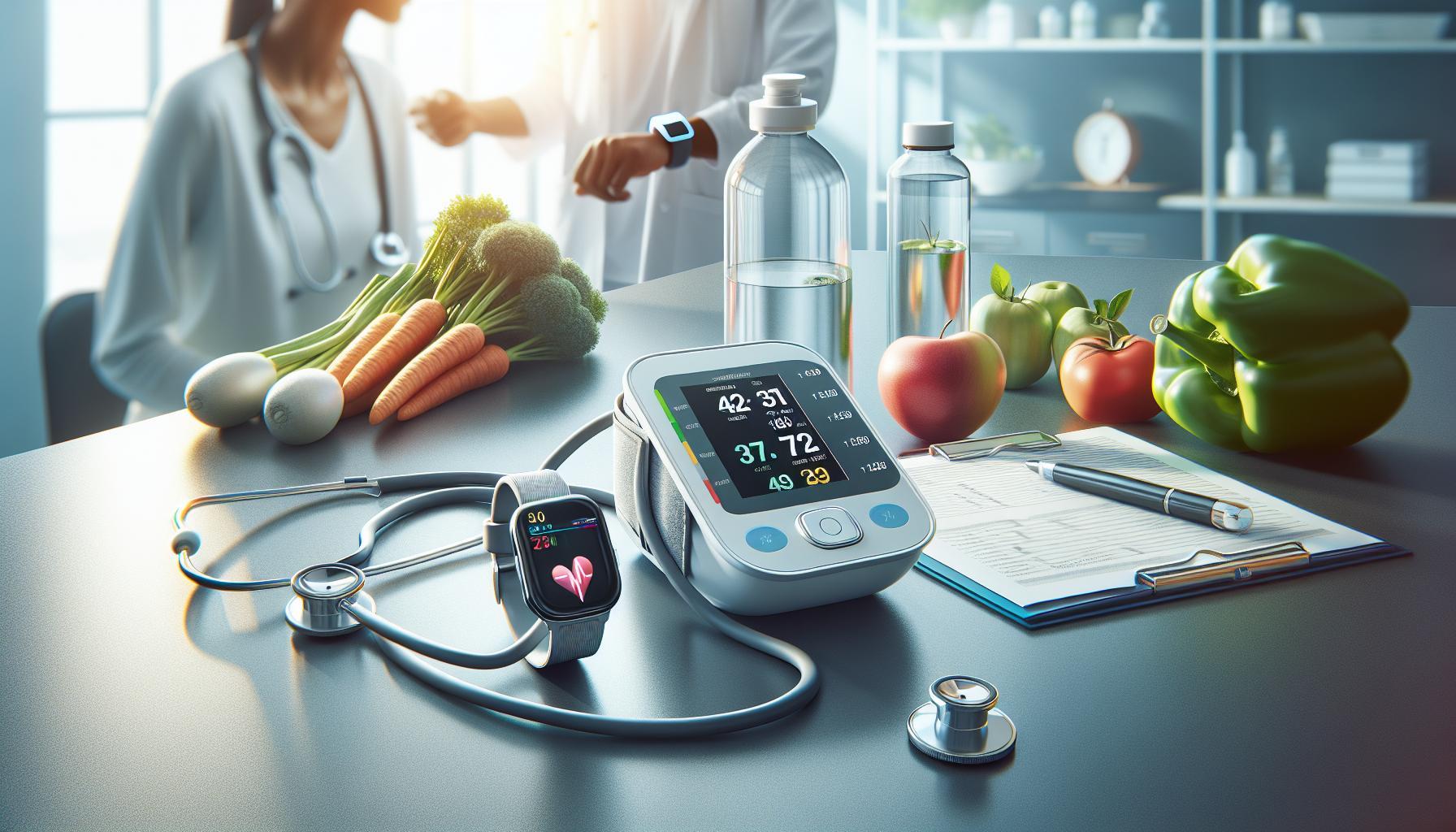

Dehydration can significantly impact your health, with one alarming consequence being a drop in blood pressure. When your body lacks sufficient fluids, it strains to maintain normal blood volume, potentially leading to dizziness, weakness, and fainting. Understanding this connection is crucial for those managing their blood pressure or at risk of dehydration.
As the summer heat approaches or during illness, it’s easy to overlook hydration. However, staying informed about how dehydration affects your body can empower you to take proactive steps in your health management. In this article, we’ll explore the relationship between dehydration and blood pressure, what signs to watch for, and practical tips to keep yourself hydrated, ensuring you can maintain your well-being and stay on top of your health goals.
Can Dehydration Impact Blood Pressure Levels?
Dehydration can have a significant impact on blood pressure levels, often leading to hypotension, or low blood pressure. When the body is dehydrated, it loses essential fluids, which diminishes blood volume. A lower blood volume can result in the heart having to work harder to circulate blood, which can lead to a drop in blood pressure. This is particularly critical when dehydration is acute, such as after vigorous exercise or due to illnesses involving vomiting or diarrhea, where rapid fluid loss occurs.
Inadequate hydration can also cause the body to conserve water through various hormonal responses that affect blood vessels. For instance, the kidneys may respond to reduced fluid levels by producing more renin, an enzyme that can constrict blood vessels, further complicating blood pressure regulation. Consequently, individuals who are dehydrated may experience symptoms like dizziness, fainting, and fatigue when standing up quickly, all indicative of low blood pressure.
To mitigate the risks associated with dehydration and fluctuating blood pressure levels, it is crucial to monitor fluid intake, especially during hot weather, illness, or intense physical activity. Make a habit of drinking water consistently throughout the day, rather than waiting until you feel thirsty. Additionally, consuming foods with high water content, such as fruits and vegetables, can support overall hydration. If you notice signs of significant dehydration or experience persistent low blood pressure symptoms, it’s important to seek medical attention promptly. Taking proactive steps to maintain hydration can help protect against adverse blood pressure effects and boost overall health.
Understanding the Connection Between Dehydration and Blood Pressure
Dehydration plays a critical role in influencing blood pressure, often leading to a drop in levels that can have significant health implications. When the body is deprived of adequate fluids, the overall blood volume decreases, resulting in lower blood pressure (hypotension). This diminished blood volume forces the heart to work harder to maintain circulation, creating a scenario where symptoms such as dizziness, fainting, and fatigue can emerge, particularly when changing positions quickly. For instance, after exercise or during illness-related fluid loss, maintaining hydration becomes crucial to support normal physiological functions.
Additionally, the body’s response to dehydration includes a complex interplay of hormonal changes designed to conserve water. The kidneys, noticing reduced fluid levels, may secrete more renin-a hormone that causes blood vessels to constrict. This mechanism, while protective in nature, can complicate blood pressure regulation. Understanding these processes underscores the importance of not only recognizing dehydration symptoms but also being proactive in hydration strategies.
To effectively manage blood pressure in light of dehydration, consider the following steps:
- Monitor Fluid Intake: Aim to drink water consistently throughout the day, especially in warmer weather or when exercising.
- Choose Hydrating Foods: Incorporate fruits and vegetables with high water content, like cucumbers and watermelon, into your meals.
- Be Aware of Symptoms: Familiarize yourself with signs of dehydration, such as dry mouth or dark urine, and respond promptly by increasing fluid intake.
Recognizing the connection between hydration and blood pressure empowers individuals to take charge of their health. By implementing these practical hydration tips, you not only help stabilize blood pressure but also enhance overall well-being.
Signs and Symptoms of Dehydration to Monitor
Recognizing when your body is becoming dehydrated is essential for maintaining good health, especially since dehydration can significantly impact blood pressure levels. Early detection of dehydration symptoms can prevent more severe complications, such as dangerously low blood pressure. Common signs to monitor include increased thirst, dry mouth, and decreased urine output. If you notice that your urine is dark yellow or amber, it indicates that your body is not adequately hydrated.
Other symptoms may include fatigue, dizziness, and confusion, especially when standing up quickly-a situation that indicates a drop in blood pressure. Furthermore, some individuals may experience headaches or a sense of sluggishness. It’s also important to pay attention to skin turgor; pinch the skin on the back of your hand and observe how quickly it returns to its normal position. If it takes longer than usual, this may signal that the body is dehydrated.
To safeguard against dehydration and its effects on blood pressure, regularly assess your fluid intake, particularly when exposed to higher temperatures or during exercise. Keeping a hydration log can help you become more aware of your daily fluid consumption, ensuring you meet your body’s requirements. Strongly consider consuming hydrating foods-fruits like watermelon, oranges, and cucumber are excellent choices. Monitoring symptoms systematically will not only help manage blood pressure effectively but will also enhance your overall well-being.
How Blood Pressure Drops During Dehydration
When the body becomes dehydrated, one of the critical consequences can be a significant drop in blood pressure. This occurs because water is essential for maintaining blood volume; when hydration levels decrease, the blood volume decreases as well. This reduced volume leads to lower pressure against the walls of the blood vessels, ultimately resulting in hypotension, or low blood pressure. For example, during prolonged exercise, sweating can result in fluid loss, and if these fluids are not replenished, the body struggles to maintain optimal blood pressure levels, which can leave individuals feeling faint or dizzy.
Several mechanisms explain this drop in blood pressure due to dehydration. The body relies on fluids to transport nutrients and oxygen, regulating blood vessel elasticity and fluid balance with the help of hormones such as aldosterone and vasopressin. These hormones help the body retain water and maintain blood pressure. However, when dehydration occurs, the balance is disrupted, leading to decreased blood vessel constriction and challenges in regulating blood pressure. This is why individuals often feel lightheaded when standing up quickly after prolonged sitting or lying down, as their bodies struggle to adjust quickly to the change in posture.
Furthermore, it’s crucial to recognize the symptoms associated with low blood pressure caused by dehydration. These can include fatigue, confusion, and a rapid heartbeat. If someone is experiencing symptoms like these, they should take immediate steps to rehydrate-ideally with fluids that contain electrolytes to better restore balance and support cardiovascular function. Including electrolyte-rich drinks or utilizing simple homemade solutions with water, salt, and sugar can be beneficial.
To effectively monitor and manage blood pressure in the context of dehydration, individuals should consider keeping a hydration log, noting daily fluid intake, exercise levels, and any symptoms experienced. By staying proactive about fluid intake, particularly in hot weather or during physical activity, individuals can help maintain healthy blood pressure levels and prevent the adverse impacts of dehydration on their cardiovascular health.
Risk Factors for Blood Pressure Changes Due to Dehydration
Dehydration is a common but often overlooked factor that can significantly impact blood pressure levels, particularly among vulnerable populations. Understanding the risk factors associated with dehydration and blood pressure changes can empower individuals to take proactive steps toward maintaining optimal health. Certain groups may be at a higher risk, including the elderly, people with chronic illnesses, athletes, and anyone experiencing illness with symptoms like vomiting or diarrhea.
Age can play a crucial role, as older adults often have a diminished sense of thirst and may not drink enough fluids to compensate for losses. Additionally, those with chronic health issues, such as diabetes or kidney diseases, may also face challenges in fluid balance and electrolyte management, making them more susceptible to dehydration and its effects on blood pressure. Athletes, especially during intense training or competition, need to be vigilant about their hydration levels to prevent drastic drops in blood pressure due to excessive sweating.
Environment is another factor to consider; hot weather increases fluid loss through perspiration, and without adequate intake, this can lead to dehydration. Certain medications, particularly diuretics or those that affect fluid balance, can also contribute to dehydration and subsequent blood pressure instability. It’s essential for individuals taking these medications to regularly monitor their fluid intake and blood pressure and consult with healthcare providers about their hydration needs.
To mitigate these risks, individuals should be mindful of their hydration, particularly in high-risk situations. Keeping a water bottle handy, setting reminders to drink fluids, and consuming hydrating foods such as fruits and vegetables can all play a role in maintaining a healthy fluid balance. Monitoring for signs of dehydration-such as dry mouth, excessive thirst, and decreased urine output-can alert individuals to take action before significant blood pressure changes occur. Taking these proactive steps can help individuals avoid the pitfalls of dehydration and its adverse effects on blood pressure management.
Managing Blood Pressure in Cases of Dehydration
Maintaining stable blood pressure is crucial, especially when dehydration threatens to disrupt bodily functions. When fluid levels drop, the heart struggles to pump blood effectively, which can lead to low blood pressure or hypotension. It’s vital to recognize the signs of dehydration early and implement strategies to stabilize your blood pressure.
Start by monitoring your hydration status. Regularly check for symptoms such as dry mouth, fatigue, dizziness, and dark yellow urine. These indicators can prompt immediate action. If you suspect dehydration, increase your fluid intake promptly. Water should be your go-to choice; however, for more severe cases, electrolyte drinks can help replenish lost minerals, such as sodium and potassium, which are critical for maintaining fluid balance and healthy blood pressure. A simple guideline is to drink at least 8 glasses of water a day, but you may need more if you are active or in a hot environment.
Implementing Practical Strategies
- Set reminders: Use your phone or a hydration tracking app to remind you to drink water throughout the day.
- Incorporate hydrating foods: Include fruits and vegetables like cucumbers, watermelon, oranges, and lettuce in your diet, as they contain high water content.
- Maintain an electrolyte balance: Consider including natural sources of electrolytes in your diet, such as coconut water, tomatoes, and bananas.
If you find yourself experiencing symptoms of low blood pressure, such as lightheadedness, fatigue, or fainting, pause and sit down. Elevating your legs can help increase blood flow to the brain. It’s also advisable to consume small, frequent meals rather than larger ones, as heavy meals can exacerbate drops in blood pressure.
Identifying individual risk factors for dehydration is crucial. Elderly individuals, those with chronic illnesses, and athletes must pay extra attention to their hydration needs. Regular check-ups with a healthcare provider can help tailor hydration strategies specific to your health situation, ensuring that blood pressure levels remain stable. Taking these steps can significantly reduce the risk of dehydration-related blood pressure fluctuations and promote overall health and well-being.
Hydration Tips to Maintain Healthy Blood Pressure
Maintaining proper hydration is essential for regulating blood pressure, as even mild dehydration can lead to notable drops in blood pressure levels. To keep your blood pressure stable, consider incorporating a variety of hydration strategies into your daily routine. One effective approach is to set specific daily hydration goals. Aim to drink at least 8 cups of water daily, but adjust this amount based on your activity level and environmental factors such as heat. Keeping a reusable water bottle nearby can serve as a constant reminder to sip throughout the day.
Foods to Boost Hydration
In addition to water, consider integrating hydrating foods into your diet. Foods high in water content, like cucumbers, bell peppers, and berries, not only contribute to your overall fluid intake but also provide essential vitamins and minerals. Fruits such as watermelon and oranges are not only refreshing but also packed with nutrients that support heart health.
Monitoring Your Hydration
Regularly monitor your hydration status by observing the color of your urine. Pale yellow typically indicates good hydration, while darker shades may signify the need for more fluids. If you’re engaging in intense physical activity or spending time outdoors, it’s particularly important to drink extra fluids to replenish losses from sweat.
Using Electrolytes Wisely
Electrolytes play a vital role in hydration and blood pressure regulation. To maintain balance, consider incorporating natural sources of electrolytes, such as bananas, spinach, and coconut water. These foods help replace essential minerals lost during exercise or heat exposure. For those engaged in prolonged workouts or heavy sweating, electrolyte drinks can help restore hydration levels more effectively than water alone.
Remember, staying adequately hydrated not only helps maintain your blood pressure but also supports your overall well-being. By adopting these hydration strategies, you can promote better health and mitigate the risks associated with dehydration-related fluctuations in blood pressure.
When to Seek Medical Attention for Low Blood Pressure
Experiencing low blood pressure can be a concerning situation, especially when dehydration is a potential factor. It’s crucial to recognize when your body is signaling that medical attention is necessary. If you notice symptoms such as dizziness, fainting, or extreme fatigue, these could be indicators of low blood pressure that may require prompt evaluation. Understanding these signals is vital for preventing more severe health complications.
You should consider seeking medical attention if low blood pressure is accompanied by any of the following signs:
- Persistent Dizziness or Lightheadedness: Feeling unfocused or like you might faint, especially upon standing up, can suggest significant drops in blood pressure.
- Rapid or Shallow Breathing: Changes in your breathing pattern can indicate your body is in distress.
- Confusion or Lack of Concentration: If you find it harder to think clearly or respond, it may signal inadequate blood flow to the brain.
- Cold, Clammy Skin: This can be a sign of shock, which may occur with severe dehydration and very low blood pressure.
- Extreme Thirst: An overwhelming desire to drink fluids can suggest that your body is significantly dehydrated and needs immediate rehydration.
Additionally, don’t hesitate to consult a healthcare professional if you know you’ve been dehydrated, experience gradual worsening of symptoms, or if these symptoms are recurring. Staying vigilant about your hydration and blood pressure levels can empower you to take charge of your health.
If you are undergoing treatment for other conditions or if you are pregnant, it’s even more important to report any significant changes in blood pressure to your healthcare provider. This proactive approach not only helps manage your current state but also lays the foundation for long-term health. Remember, early intervention is key; it can often prevent complications and pave the way for better outcomes in health management.
Long-Term Effects of Chronic Dehydration on Blood Pressure
Chronic dehydration can pose significant risks to your cardiovascular health, particularly with respect to blood pressure. When the body is consistently deprived of adequate fluids, the overall volume of blood decreases. This reduction in blood volume can lead to a condition known as hypovolemia, which is characterized by low blood pressure (hypotension). Over time, persistent low blood pressure may result in inadequate blood flow to vital organs, increasing the risk of complications like kidney damage and fainting spells.
Moreover, the long-term effects of dehydration extend beyond immediate blood pressure fluctuations. Chronic low fluid intake can alter the body’s ability to maintain optimal blood pressure regulation, potentially leading to conditions such as orthostatic hypotension- a sudden drop in blood pressure upon standing. This can manifest as dizziness or lightheadedness, significantly affecting daily activities and decreasing overall quality of life. The heart may also work harder to compensate for low blood volume, which can lead to an increased heart rate and put additional strain on the cardiovascular system.
To mitigate these risks, fostering good hydration habits is crucial. Aim to consume at least 8-10 cups (2-2.5 liters) of water daily, or more if you are physically active or exposed to hot environments. Monitoring your hydration status can be as simple as paying attention to thirst cues and urinary output; pale-colored urine generally indicates adequate hydration. If you’re at risk of dehydration due to medications or health conditions, consider discussing with your healthcare provider about ways to maintain optimal fluid intake and blood pressure. Keeping a water bottle handy and setting reminders can also reinforce hydration habits, empowering you to take charge of your health.
Lifestyle Changes to Prevent Dehydration and Blood Pressure Issues
Maintaining proper hydration is crucial not only for overall health but also for the regulation of blood pressure. When the body doesn’t receive enough fluids, it can lead to a decrease in blood volume, resulting in lower blood pressure and increased risk of various health complications. To prevent dehydration and its associated impact on blood pressure, adopting certain lifestyle changes can be immensely beneficial.
One effective strategy is to make hydration a regular part of your daily routine. Start by keeping a refillable water bottle with you throughout the day. This encourages you to sip regularly rather than relying solely on thirst cues, which can sometimes be diminished, especially in older adults. Setting reminders on your phone or using hydration-tracking apps can also help reinforce this habit. Additionally, consider integrating hydrating foods into your diet. Fruits like watermelon, oranges, and cucumbers have high water content and can contribute to your overall fluid intake.
Incorporating physical activity can enhance your hydration strategy, but it’s essential to adjust your fluid intake based on your activity level. If engaging in exercise, particularly in hot weather, increase your water intake before, during, and after physical activity. While water is generally sufficient, for prolonged or intense exercise, consider drinks containing electrolytes to replenish minerals lost through sweat.
Lastly, being mindful of your environment plays a significant role in preventing dehydration. Hot and humid weather, high altitudes, and dry indoor air can all accelerate fluid loss, so plan accordingly by increasing your fluid consumption during these conditions. By embedding these habits into your lifestyle, you can effectively manage your hydration and maintain stable blood pressure levels, ultimately supporting your cardiovascular health.
The Role of Electrolytes in Blood Pressure Regulation
Maintaining balanced electrolyte levels is essential for blood pressure regulation, particularly when dealing with hydration issues. Electrolytes, such as sodium, potassium, and magnesium, play crucial roles in maintaining fluid balance, nerve function, and muscle contraction. A significant drop in hydration can disrupt these levels, leading to complications such as low blood pressure (hypotension).
During dehydration, the body loses not only water but also a variety of crucial electrolytes. This loss can lead to a decrease in blood volume, causing blood pressure to drop as there is insufficient fluid to maintain adequate circulation. For example, sodium helps retain fluid in the body, and when its levels are low due to dehydration, this can exacerbate blood pressure drops. Similarly, potassium is vital for heart health, and imbalances can lead to irregular heart rhythms and further influence blood pressure levels.
To effectively manage blood pressure through electrolyte balance, consider incorporating foods rich in these essential minerals into your diet. Consuming a variety of fruits and vegetables, such as bananas for potassium and leafy greens for magnesium, can help replenish electrolytes lost during dehydration. Additionally, during periods of heavy sweating or rigorous exercise, electrolyte-rich beverages-like sports drinks-may be beneficial in restoring the balance more effectively than water alone.
Always monitor your hydration status, especially during times of increased physical activity or heat exposure. Keeping a hydration log can be an effective way to track your fluid and electrolyte intake, helping you make adjustments as needed to maintain stable blood pressure levels. Remember, small changes in your dietary habits can make a significant impact on how well your body manages hydration and blood pressure together, promoting your overall cardiovascular health.
Faq
Q: Can dehydration lead to low blood pressure?
A: Yes, dehydration can lead to low blood pressure. When your body loses more fluids than it takes in, it reduces blood volume, which can cause blood pressure to drop. Staying hydrated is essential to maintain normal blood pressure levels.
Q: What are the warning signs of dehydration that might affect blood pressure?
A: Warning signs of dehydration include thirst, dark urine, dry mouth, fatigue, dizziness, and confusion. If you experience these symptoms along with low blood pressure, it’s crucial to rehydrate and consider seeking medical advice.
Q: How can dehydration-related low blood pressure be treated?
A: To treat dehydration-related low blood pressure, increase fluid intake by drinking water or electrolyte solutions. Monitoring your blood pressure is vital, and if symptoms persist, consult a healthcare professional for further evaluation.
Q: What types of fluids are best for rehydration to maintain blood pressure?
A: Water is generally sufficient for rehydration; however, electrolyte-rich drinks can be beneficial, especially after intense activity or illness. These help restore fluid balance and support stable blood pressure levels.
Q: When should I seek medical help for low blood pressure caused by dehydration?
A: Seek medical help if you experience severe dizziness, fainting, confusion, or if low blood pressure symptoms persist despite rehydrating. Early intervention can prevent complications associated with dehydration.
Q: What lifestyle changes can prevent dehydration and its effect on blood pressure?
A: To prevent dehydration, maintain a regular intake of fluids, especially in hot weather or during exercise. Eating water-rich foods like fruits and vegetables can also help. Regular hydration habits are vital for stable blood pressure.
Q: Can certain medications affect how dehydration impacts blood pressure?
A: Yes, certain medications, such as diuretics, can increase fluid loss and elevate the risk of dehydration, leading to low blood pressure. If you’re on such medications, regular monitoring and hydration are essential.
Q: Why do older adults face a higher risk of low blood pressure due to dehydration?
A: Older adults are at a higher risk for dehydration due to factors like decreased thirst sensation, medication effects, and less effective kidney function. Regular hydration monitoring is crucial for maintaining blood pressure levels in this age group.
Future Outlook
Understanding the relationship between dehydration and blood pressure is crucial for managing your health effectively. If you notice symptoms like dizziness or lightheadedness, it’s essential to stay proactive-hydrate and monitor your levels regularly. For more insights, explore our articles on “Signs of Dehydration” and “How to Maintain Healthy Blood Pressure,” which provide additional strategies and resources for keeping your body in balance.
Don’t hesitate to reach out if you have questions or need personalized guidance; consider signing up for our newsletter to stay informed with the latest health tips directly in your inbox! Remember, staying informed and taking action on your health can make all the difference. Share your thoughts or experiences in the comments below; your input could help others in our community. Together, we can navigate these health challenges!