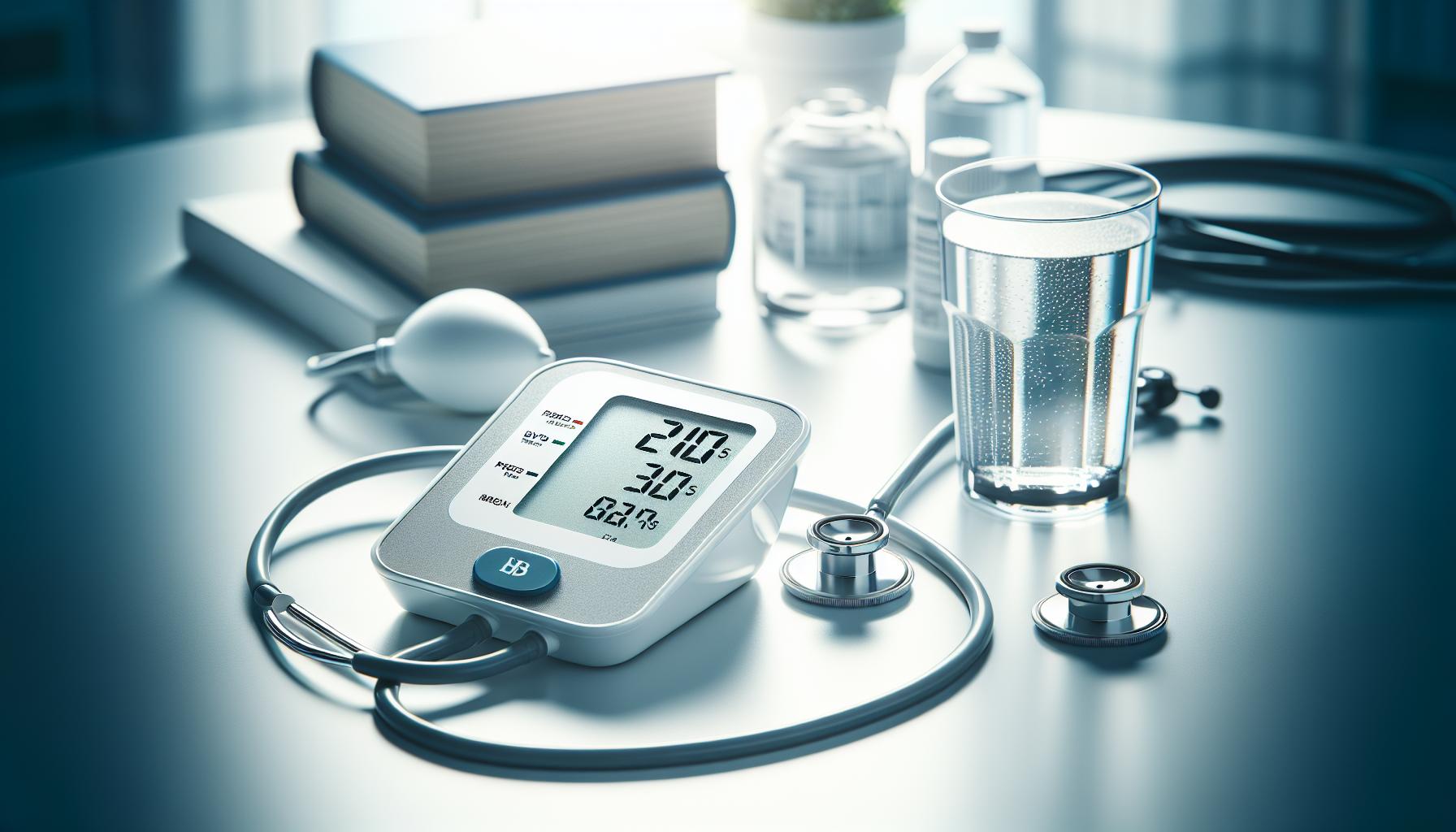

Did you know that nearly half of adults in the United States have high blood pressure, a condition that can lead to serious health issues like heart disease and stroke? Understanding how to effectively manage your blood pressure is crucial, especially when preparing for a blood pressure test. This guide, “How to Pass a Blood Pressure Test: Proven Strategies,” offers practical, evidence-based tips to help you achieve an optimal reading.
Many people feel anxious when faced with a blood pressure test, fearing the consequences of elevated levels. By learning how to prepare properly and implement simple lifestyle changes, you can significantly influence your results. From understanding the importance of hydration to mastering relaxation techniques, this article will equip you with actionable strategies to help ensure your blood pressure readings reflect your true health status.
Continue reading to unlock proven methods that can empower you, enhance your well-being, and pave the way for a healthier future. Your journey toward better blood pressure management starts here!
Understanding Blood Pressure Measurements and Tests

Understanding blood pressure measurements is crucial for effective management of cardiovascular health. Blood pressure is measured using two key readings: systolic pressure (the pressure in your arteries when your heart beats) and diastolic pressure (the pressure when your heart is at rest between beats). These readings are expressed in millimeters of mercury (mmHg) and are typically represented as a fraction-for instance, 120/80 mmHg. Understanding these figures helps in recognizing whether your blood pressure is within a healthy range or if adjustments are needed.
When it comes to testing, a proper technique is essential for accurate readings. Blood pressure measurements can be taken in various settings: at a healthcare provider’s office, at home, or even in community health programs. Regardless of the location, consistency in the method is vital. Always ensure that you are in a calm environment, seated comfortably with your back supported and feet flat on the ground. Avoid talking during the measurement, as it can artificially elevate your readings. It’s also recommended to take multiple readings at the same time of day over a week to get a clearer picture of your average blood pressure.
Factors such as body position, time of day, and even emotional state can influence blood pressure readings. For instance, your blood pressure is often lower in the morning and may rise throughout the day, so taking measurements at the same time each day can provide more reliable data. Additionally, activities like consuming caffeine or exercising shortly before taking a reading can lead to temporary spikes. Being aware of these factors allows for better preparation and understanding of what your numbers might indicate.
Finally, maintaining clear records of your blood pressure readings and any symptoms can provide invaluable information to healthcare providers when discussing your overall health. Keep a log that includes the date and time, the reading itself, and any other pertinent notes (like medication changes or stressors) that may have played a role in the result. This can facilitate more informed discussions during medical appointments, empowering you to take an active role in managing your blood pressure effectively.
Key Factors That Affect Blood Pressure Readings
Blood pressure readings can fluctuate significantly due to various factors, and understanding these influences is crucial for achieving accurate measurements. For instance, emotional state plays a pivotal role; anxiety or stress can elevate blood pressure temporarily. Some experiments have shown that individuals who feel anxious or rushed read higher than those who are calm and relaxed. Therefore, finding ways to calm nerves before taking a reading is essential for accuracy.
Another significant factor is body position. It is recommended to measure blood pressure while seated, with your back supported, feet flat on the floor, and your arm at heart level. If your arm is too high or too low, it can lead to inaccurately elevated or lowered readings. Consistency is paramount; aim to take readings at the same time each day and in the same position to track the trends in your blood pressure over time.
Dietary choices also have immediate effects on blood pressure. Consuming caffeine, salty foods, or large meals just before testing can spike readings. To achieve the most accurate results, it is best to avoid these influences for at least 30 minutes before taking a measurement. Additionally, it’s wise to recognize that hydration levels can impact readings; dehydration can cause blood volume to decrease, potentially leading to lower readings than are typical for you.
Practicing good measurement techniques is essential to avoid misinformation about your blood pressure. Using the correct cuff size is a critical yet often overlooked element. A cuff that is too small can artificially inflate readings, while a cuff that is too large can provide readings that are lower than your actual blood pressure. Ensuring you have the right equipment and that it’s used appropriately can make a significant difference in the accuracy of your blood pressure measurements.
Proven Techniques to Reduce Anxiety Before Testing

Before undergoing a blood pressure test, recognizing and addressing anxiety can significantly impact the accuracy of your readings. Many individuals experience heightened nervousness, which can artificially elevate blood pressure measurements. To counter this, implementing effective techniques to calm your mind and body is essential.
One highly effective method is practicing deep breathing exercises. This involves inhaling slowly through your nose, allowing your abdomen to expand, holding the breath for a few seconds, and then exhaling gently through your mouth. Practicing this for a few minutes can help induce a sense of calm and lower heart rate, contributing to more accurate blood pressure readings.
In addition to breathing exercises, engaging in mindfulness or meditation can also reduce anxiety levels. Setting aside a few minutes before your appointment to focus on the present moment can help alleviate worries about the test. Simply finding a quiet space to sit comfortably, close your eyes, and concentrate on your breath or a soothing mantra can help ground you.
Preparing adequately for your appointment-and understanding what to expect-can also mitigate anxiety. Review the procedures you’ll undergo, ask any questions you may have beforehand, and consider scheduling your appointment at a time when you know you’ll be less rushed. Arriving early allows you to acclimate to the environment and collect your thoughts, further reducing stress.
Ultimately, these proven techniques not only promote a calming effect but also empower you to take control of your health monitoring journey. By managing anxiety effectively, you ensure that your blood pressure readings reflect your true health status, leading to more accurate assessments and, ultimately, better health outcomes.
Daily Habits for Maintaining Healthy Blood Pressure

Maintaining healthy blood pressure is not just a function of genetics or medication; it is deeply influenced by daily lifestyle choices. Small, consistent habits can make a significant difference in blood pressure management and overall heart health. By integrating these practices into your routine, you can help ensure that your blood pressure remains within a healthy range and improve your chances of passing any blood pressure test with flying colors.
Physical Activity
Regular physical activity is a cornerstone of blood pressure management. Aim for at least 150 minutes of moderate aerobic exercise each week. Activities like brisk walking, cycling, swimming, or even gardening can help lower blood pressure by strengthening your heart and improving circulation. Consider incorporating a mix of aerobic exercises and strength training to create a balanced routine. For added benefit, try to make physical activity a social endeavor; exercising with friends or joining group classes can also help keep you motivated.
Healthy Eating
What you eat directly affects your blood pressure. Adopting a diet rich in fruits, vegetables, whole grains, and lean proteins can provide essential nutrients while helping to lower blood pressure. The DASH (Dietary Approaches to Stop Hypertension) diet is particularly effective. Here are some key dietary tips:
- Limit sodium intake: Aim to reduce salt consumption to less than 2,300 mg per day, or even 1,500 mg if you have hypertension.
- Incorporate potassium-rich foods: Foods like bananas, oranges, and spinach can help mitigate the effects of sodium.
- Limit processed foods: Many packaged snacks and meals contain hidden sodium, so preparing meals at home using fresh ingredients is beneficial.
Avoiding Alcohol and Smoking
Both alcohol and tobacco use can contribute to elevated blood pressure levels. Limiting alcohol intake to moderate levels-defined as one drink per day for women and two drinks for men-can help maintain a healthy blood pressure. Quitting smoking is one of the most impactful changes you can make; the benefits to your cardiovascular health start almost immediately and can drastically lower your risk of heart disease.
Manage Stress
Chronic stress can lead to high blood pressure, making stress management techniques essential. Consider incorporating relaxation techniques such as yoga, meditation, or deep-breathing exercises into your daily routine. These practices not only lower blood pressure but can also enhance your overall well-being.
By committing to these daily habits, you not only position yourself for success in passing blood pressure tests but also enhance your long-term health. Each positive choice compounds over time, reinforcing a healthier lifestyle and empowering you to manage your blood pressure effectively.
Nutritional Tips to Support Accurate Readings
Maintaining healthy blood pressure levels requires a mindful approach to nutrition, as the foods you consume can significantly impact your readings. For those preparing for a blood pressure test, specific dietary strategies can enhance the accuracy of your results and bolster your overall cardiovascular health. Understanding how certain foods and habits can affect your blood pressure lays the groundwork for not only passing your test but also fostering long-term heart health.
To support accurate blood pressure readings, one of the most crucial adjustments involves limiting sodium intake. High sodium consumption is linked to hypertension, so aim to keep your daily intake below 2,300 mg, or ideally 1,500 mg if you have existing hypertension. Focus on fresh, whole foods instead of processed alternatives, which often contain hidden salts. Additionally, reading product labels for sodium content can help you make informed choices.
Incorporating potassium-rich foods can also have a substantial positive effect on your blood pressure. Potassium helps counteract sodium’s effects by easing tension in blood vessel walls. Foods like bananas, oranges, sweet potatoes, and spinach not only enhance flavor but also provide vital nutrients that support heart health. Plan meals that actively feature these ingredients to reinforce a heart-healthy diet.
Another essential element to consider is hydration. Staying well-hydrated can support proper blood volume and circulation, positively influencing blood pressure readings. Aim for adequate water intake throughout the day. Limiting beverages like alcohol and caffeine before your test can also be beneficial, as these can cause temporary spikes in blood pressure.
Lastly, take a proactive stance on meal timing. Eating a well-balanced meal a few hours before your blood pressure test can lead to more stable readings. Avoid heavy or high-fat meals which may spike blood pressure temporarily. Instead, opt for lighter, nutrient-dense meals with a good balance of protein, healthy fats, and carbohydrates.
By making these dietary choices and being mindful of how food impacts your body, you empower yourself to achieve more accurate blood pressure readings and improve overall cardiovascular health.
When and How to Measure Blood Pressure at Home
Measuring blood pressure at home can empower you to take an active role in managing your cardiovascular health. Regular monitoring allows you to track your progress, understand how your body responds to various factors, and provide essential data to your healthcare provider. Whether you’re newly diagnosed with hypertension or working to maintain healthy levels, mastering the timing and techniques of home blood pressure measurement is crucial.
To achieve the best results when measuring blood pressure, timing is everything. Ideally, check your blood pressure at the same time each day-morning and evening are common choices. This consistency helps account for natural fluctuations in blood pressure throughout the day due to activities, diet, and stress levels. It’s also essential to create a calm environment; sit quietly for at least five minutes before taking a reading. Avoiding stimulants such as caffeine, nicotine, and vigorous exercise for 30 minutes prior can prevent artificially elevated readings.
When it comes to the actual measurement, follow these straightforward steps to ensure accuracy:
- Prepare the Equipment: Ensure your blood pressure monitor is calibrated and functioning properly. Read the manual for specific instructions.
- Select the Correct Position: Sit in a chair with your back supported and feet flat on the ground. Rest your arm at heart level on a flat surface, with the palm facing up.
- Wrap the Cuff: Place the cuff snugly around your upper arm, about an inch above the elbow. It should feel comfortable but not too tight.
- Initiate the Measurement: Turn on the monitor and follow the prompts. Remain still and quiet as the device measures your blood pressure.
- Record the Results: Take note of both systolic and diastolic numbers, and the time and date of each reading. This information can be crucial for tracking trends over time.
Monitoring while seated and relaxed not only enhances comfort but also contributes to more consistent results. Keep a log of your readings, as this will be valuable for discussions with your healthcare provider to tailor your treatment plan effectively.
Integrating home monitoring into your daily routine fosters a proactive approach to health management. By becoming familiar with your blood pressure patterns, you empower yourself to make lifestyle adjustments and seek help when necessary, all while maintaining a sense of control over your well-being.
Choosing the Right Blood Pressure Monitor
is a crucial step in effectively managing your cardiovascular health. With various types available on the market, selecting the one that best suits your needs can make all the difference in achieving accurate, consistent readings. Understanding the features that matter most, such as accuracy, ease of use, and comfort, empowers you to take control of your blood pressure monitoring routine.
When considering a blood pressure monitor, opt for an automatic model for ease and accuracy. These monitors inflate the cuff automatically and usually come with digital displays that clearly show your blood pressure readings. Look for devices validated for accuracy by reliable organizations, such as the American Medical Association or the British Hypertension Society. This validation ensures the device provides reliable data that you can trust as part of your health management routine. Additionally, think about whether you prefer a monitor that measures blood pressure at the upper arm or wrist; upper arm monitors tend to be more accurate.
It’s equally important to consider the cuff size. A cuff that is too large or too small can produce inaccurate readings, which could cause unnecessary concern or complacency about your health. Most manufacturers offer various cuff sizes, so measuring your arm circumference and choosing a monitor that matches is essential. Furthermore, ease of use is paramount-look for intuitive controls, legible displays, and features like memory storage for recording previous readings to help you track your blood pressure over time.
Lastly, consider any additional features that may benefit your monitoring routine. Some devices offer Bluetooth connectivity, allowing you to sync your readings with an app for easy tracking and sharing with healthcare providers. Others have built-in alerts or reminders that can keep you consistent in your monitoring habits. By thoughtfully selecting a blood pressure monitor tailored to your personal needs, you’ll foster a sense of confidence in your health management journey, enabling more effective long-term strategies for maintaining healthy blood pressure levels.
Preparing for a Doctor’s Appointment: What to Know
When visiting a healthcare provider for a blood pressure assessment, preparation can significantly impact both your comfort and the accuracy of the readings. Before your appointment, gather important information such as a record of your blood pressure readings from home, any medications you currently take (including herbal supplements), and details about your diet and exercise regimen. This context can help your healthcare professional better understand your overall health and any particular factors that might influence your blood pressure, such as stress levels or sleep quality.
To ensure an accurate reading, plan to arrive a bit earlier than your scheduled appointment. This extra time allows you to relax and acclimate to the clinical environment, which is especially important as anxiety can lead to temporary spikes in blood pressure. When you’re seated for the test, sit quietly for at least five minutes before the measurement, keeping your back supported and your legs uncrossed. Position your arm correctly, resting it comfortably on a flat surface at heart level, which helps ensure the best possible accuracy for the reading.
Knowing what to expect during your visit can also help ease any anxiety you may feel. Most often, the healthcare provider will measure your blood pressure using an automatic or manual sphygmomanometer. Understanding how the process works-hearing the cuff inflate and deflate, then listening for the heartbeat sounds or watching the digital reading-can help demystify it. If you are prone to anxiety, consider discussing this with your healthcare provider, as they may have techniques to help you feel more at ease during the assessment.
In addition, be open with your provider about any symptoms you may have been experiencing, such as headaches, dizziness, or fatigue, as these can influence how your blood pressure is interpreted and managed. Ultimately, being prepared for your appointment not only helps ensure you receive the best possible care but also empowers you to take an active role in your cardiovascular health.
Understanding Blood Pressure Categories and Implications
Understanding blood pressure categories can empower you in managing your cardiovascular health effectively. Blood pressure readings are categorized into different levels, which reflect varying degrees of risk for hypertension-related complications. The American Heart Association defines these categories as follows:
| Category | Systolic (mmHg) | Diastolic (mmHg) |
|---|---|---|
| Normal | Less than 120 | Less than 80 |
| Elevated | 120-129 | Less than 80 |
| Hypertension Stage 1 | 130-139 | 80-89 |
| Hypertension Stage 2 | 140 or higher | 90 or higher |
| Hypertensive Crisis | Higher than 180 | Higher than 120 |
Recognizing these categories is crucial as they inform your lifestyle choices and treatment options. For instance, if your readings fall into the elevated or hypertension stages, it emphasizes the need for proactive measures. This might include increasing physical activity, dietary modifications, and possibly medication under a healthcare provider’s supervision. Being well-informed about your blood pressure category not only helps in recognizing the necessity for changes but also in motivating adherence to healthier habits.
Another dimension to consider is the implications of consistently high readings. For example, a diagnosis of hypertension can lead to serious health complications such as heart disease, stroke, and kidney damage. Therefore, regular monitoring and understanding of blood pressure categories are vital. Maintaining a blood pressure diary can be a useful tool to track your blood pressure readings over time and notice trends or patterns that may require attention.
By familiarizing yourself with blood pressure categories and their implications, you can engage more actively in your health management. This knowledge serves as a foundation for meaningful discussions with healthcare providers about your risks and strategies for maintaining optimal cardiovascular health. Prioritizing regular monitoring and understanding the significance of your numbers allows you to take accountable steps toward reducing your risk of hypertension-related issues.
Common Mistakes to Avoid During Testing
One of the most commonly overlooked aspects of blood pressure monitoring is the environment in which the measurement takes place. Stress or discomfort can lead to artificially elevated readings, which do not accurately represent your typical blood pressure. To ensure accuracy, it’s essential to create a calm setting. This means sitting quietly for at least five minutes before taking a measurement, ensuring the room is comfortably warm and quiet, and sitting in a relaxed position with feet flat on the floor and back supported. Incorporating these simple steps can significantly reduce the likelihood of a misleading reading.
Another frequent error involves the positioning of the arm during the reading. Your arm should be at heart level; if it’s too high or too low, it can skew the results. When using an automatic monitor, it’s crucial to follow the instructions provided to avoid incorrect placement of the cuff. Ensure the cuff is snug but not too tight, as this can lead to discomfort and erroneous results. Additionally, remember to measure both arms at least once, as significant differences can indicate underlying health issues.
Those monitoring their blood pressure at home should also be cautious about their recent activities before testing. Engaging in exercise, consuming caffeine, or smoking shortly before a reading can elevate blood pressure temporarily. To avoid these interferences, aim to take your blood pressure at the same time each day under similar conditions, preferably in the morning after waking up but before taking medications, to ensure consistency.
Finally, don’t ignore the importance of maintaining a log of your readings. Recording your results can help you and your healthcare provider identify trends or patterns over time, making it easier to manage and adjust treatment strategies as necessary. Keep in mind that isolated readings may not provide a complete picture; it’s the overall trend that matters most when it comes to managing blood pressure effectively.
Long-Term Strategies for Blood Pressure Management
To effectively manage blood pressure in the long term, a multifaceted approach is essential. Start by adopting a heart-healthy lifestyle that incorporates regular physical activity. Aim for at least 150 minutes of moderate aerobic exercise each week, such as brisk walking or cycling. This consistent movement helps maintain a healthy weight and strengthens the heart. Additionally, including strength training exercises at least two days a week can further enhance cardiovascular health.
Another critical element in blood pressure management is nutrition. A well-balanced diet rich in whole foods can profoundly impact blood pressure levels. Focus on incorporating plenty of fruits, vegetables, whole grains, and lean proteins, while reducing sodium intake to under 2,300 mg per day-or even lower if advised by your healthcare provider. The DASH (Dietary Approaches to Stop Hypertension) diet, specifically designed to combat high blood pressure, emphasizes these foods and also encourages the consumption of potassium-rich foods like bananas and sweet potatoes, which can help mitigate the effects of sodium.
Mindfulness and Relaxation Techniques
Stress management plays a crucial role in controlling blood pressure. Engage in mindfulness practices such as yoga, meditation, or deep-breathing exercises. Research has shown that these relaxation techniques can lower cortisol levels, reduce stress, and lead to improved blood pressure readings. Setting aside just a few minutes each day for these activities can provide significant benefits for heart health.
Continuous Monitoring and Professional Guidance
Regular monitoring of your blood pressure at home can empower you to take control of your health. Use a reliable blood pressure monitor and keep a log of your readings to share with your healthcare provider. This ongoing documentation not only identifies trends but also fosters a proactive approach to treatment. Schedule regular check-ups with your doctor to discuss your readings and any adjustments needed in your management plan.
By focusing on these long-term strategies-physical activity, proper nutrition, stress management, and consistent monitoring-you can enhance your ability to manage blood pressure effectively. Each small, positive change contributes to a healthier lifestyle, ultimately forming a strong foundation for lasting health.
Expert Insights: When to Seek Professional Help
If you ever feel uncertain about your blood pressure management, understanding when to seek professional help can significantly impact your health outcomes. Blood pressure is often referred to as a “silent killer” because many individuals may not experience noticeable symptoms despite experiencing dangerously high levels. Recognizing when professional intervention is needed can empower you to take control of your health proactively.
It is crucial to schedule an appointment with a healthcare provider when you observe persistent high readings. For instance, if you consistently register blood pressure of 130/80 mm Hg or higher, it may indicate that you are in a range that necessitates evaluation and possibly treatment. Be vigilant for symptoms like severe headaches, shortness of breath, chest pain, or symptoms of a stroke, which include sudden numbness or weakness, especially on one side of the body. Should any of these alarming signs occur, seeking immediate medical attention is imperative.
Regular monitoring at home is an essential tool, but it is not a substitute for professional evaluation. If you’ve made lifestyle changes-such as improving your diet and increasing physical activity-but still struggle with high blood pressure, consulting a healthcare provider can help tailor a management plan that suits your needs. They can offer insights into potential underlying conditions affecting your readings, recommend further tests, and discuss medication options if necessary.
Keep in mind that lifestyle modifications, while vital, sometimes aren’t sufficient alone. Emotional health is equally important, and if you find that stress, anxiety, or depression is impacting your ability to manage your blood pressure, a mental health professional can offer strategies to better cope with these feelings. Remember, achieving and maintaining healthy blood pressure is a journey-working with professionals can equip you with the knowledge and resources to succeed in this vital aspect of health.
Faq
Q: What should you avoid before a blood pressure test?
A: To ensure accurate blood pressure readings, avoid caffeine, nicotine, and vigorous exercise for at least 30 minutes before the test. These substances can temporarily raise blood pressure levels, leading to misleading results.
Q: How can I lower my blood pressure immediately before testing?
A: To lower your blood pressure temporarily before a test, practice deep breathing exercises or mindfulness for about five minutes. Sitting quietly and relaxing can help calm your nerves and lower stress levels, resulting in a more accurate reading.
Q: Why is timing important when measuring blood pressure?
A: Timing is essential because blood pressure can fluctuate throughout the day. It’s best to measure your blood pressure at the same time each day, ideally in the morning before any activities, to get consistent and reliable data.
Q: How should I position myself during a blood pressure test?
A: Sit comfortably with your back supported, feet flat on the floor, and arm at heart level. This position helps ensure the most accurate reading. Avoid talking during the measurement as it can affect results.
Q: Can anxiety affect blood pressure readings at the doctor’s office?
A: Yes, anxiety can cause “white coat syndrome,” where a person’s blood pressure rises in a clinical setting due to stress. If this is a concern, practice relaxation techniques prior to your appointment to help manage anxiety levels.
Q: What is the best practice for home blood pressure monitoring?
A: For effective home monitoring, take readings at the same time daily, ensure the correct cuff size, and keep a log of your readings over time. This information is useful to share with your healthcare provider during visits.
Q: How can foods lower blood pressure before a test?
A: Foods rich in potassium, like bananas and leafy greens, can help lower blood pressure. Eating a small, healthy snack before a test, such as a piece of fruit or some nuts, can be beneficial without causing spikes in your readings.
Q: When should you consult a healthcare provider about blood pressure?
A: Consult your healthcare provider if you consistently have readings above the normal range or experience symptoms such as headaches or dizziness. Regular monitoring and open communication can aid in effective blood pressure management.
Final Thoughts
Congratulations on taking the first step towards mastering your blood pressure test! Remember, consistency is key-applying the proven strategies discussed not only empowers you to achieve optimal results but also enhances your overall health management. If you have lingering questions or want to deepen your knowledge, check out our related articles on “Understanding Blood Pressure Readings” and “Top 10 Lifestyle Changes for Heart Health.”
Now is the perfect time to act! Don’t hesitate to download our comprehensive Blood Pressure Monitoring Toolkit to stay on track. As you explore further, consider signing up for our newsletter-packed with the latest health tips and resources designed just for you. Your journey towards better health doesn’t end here; dive deeper and share your experiences or questions in the comments below!
Remember, you’re not alone in this journey. Reassess your strategies regularly, and stay informed. Together, we can navigate the path to healthier living.