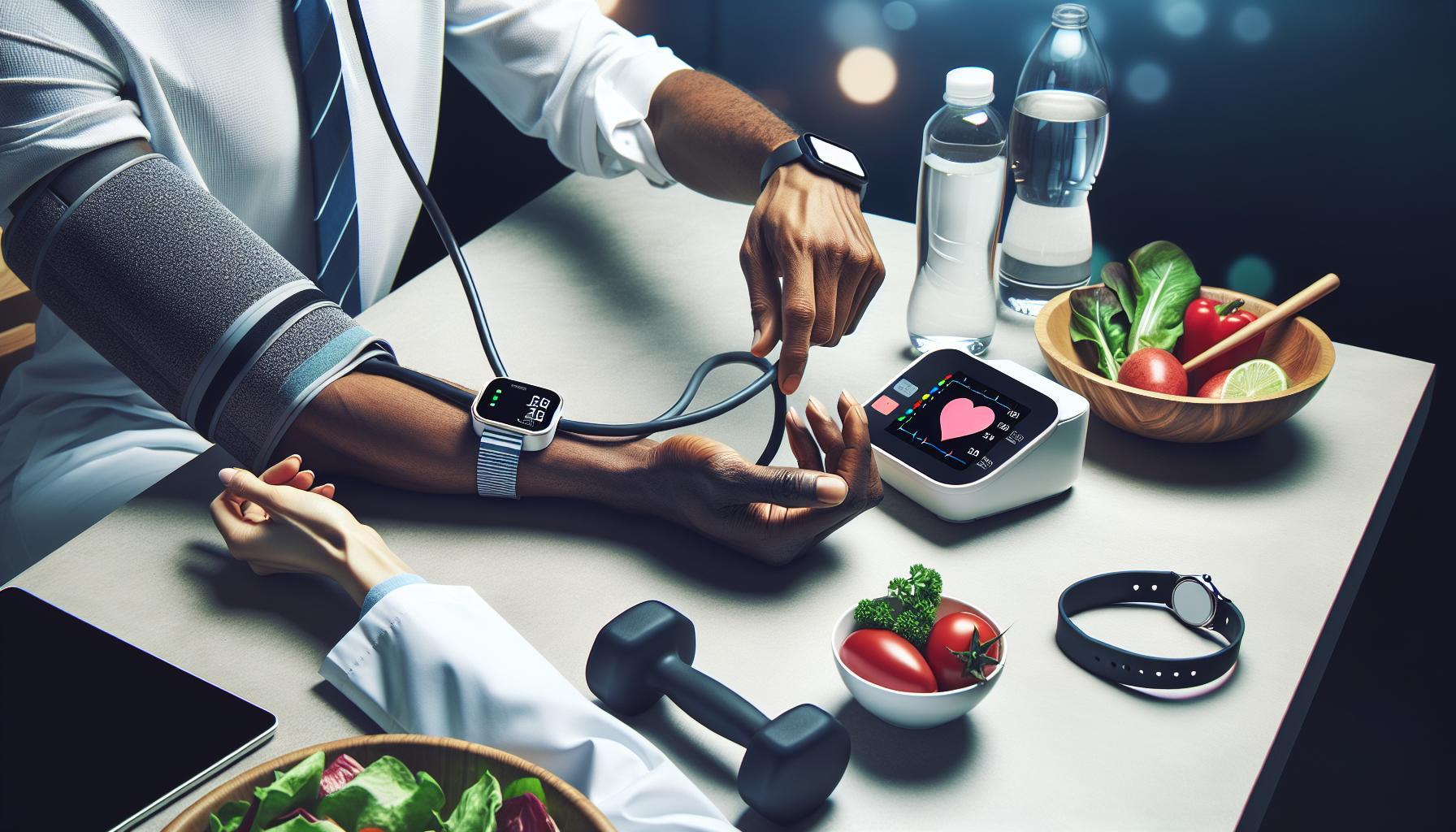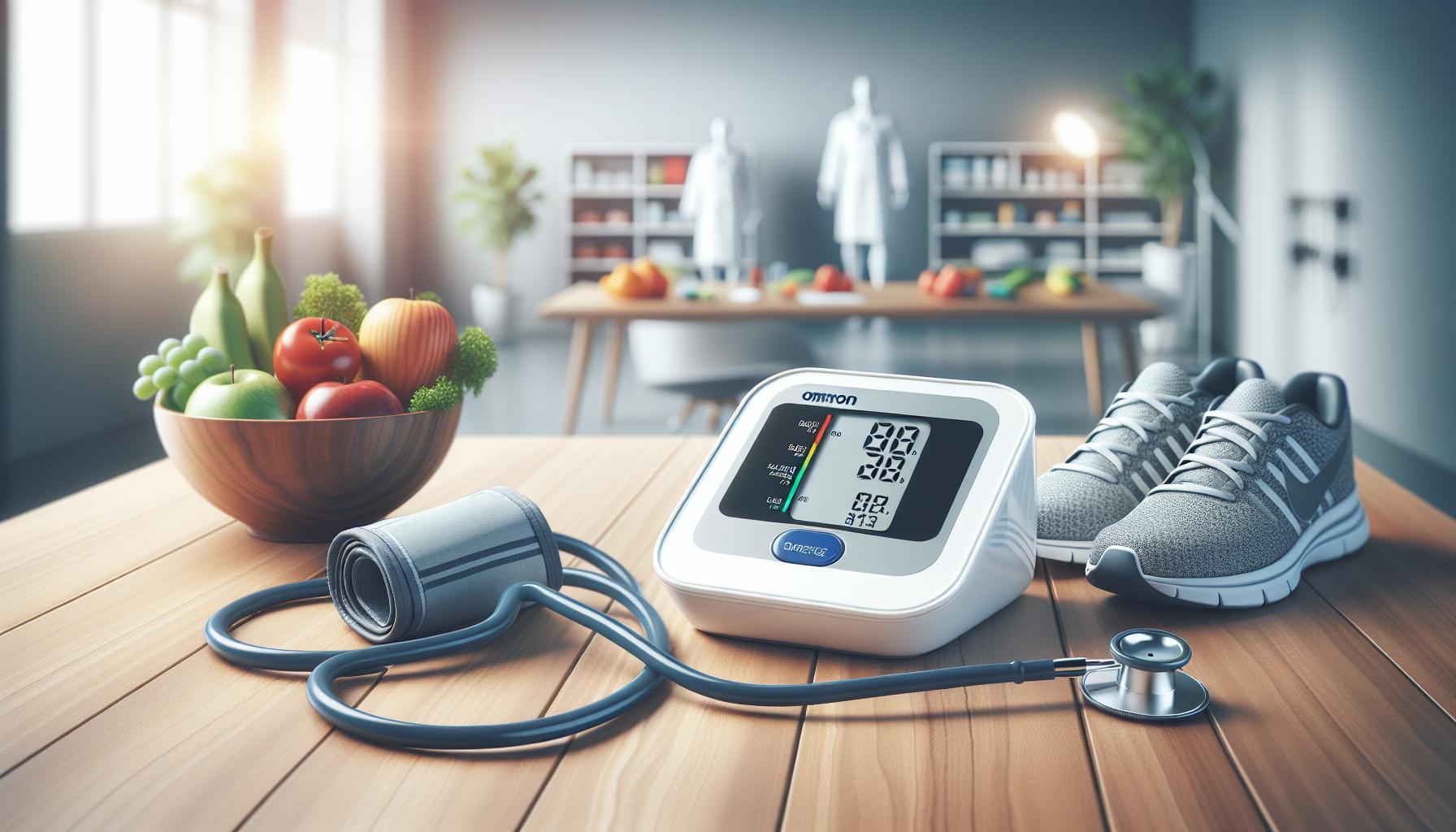

Did you know that nearly half of all adults in the United States have high blood pressure? If your readings show 144, you might be wondering what that means for your health. Stage 2 hypertension, characterized by a systolic pressure of 140 or higher, poses significant risks such as heart disease and stroke, making understanding and managing your blood pressure crucial.
Recognizing the signs and implications of elevated blood pressure can empower you to take control of your health. Whether you’re monitoring your levels due to family history or lifestyle choices, understanding stage 2 hypertension is essential. This article will delve into what a reading of 144 indicates, how it affects your body, and the effective strategies you can adopt to improve your health. Stay informed and discover actionable steps to manage your blood pressure effectively.
Understanding Stage 2 Hypertension: Key Definitions
Understanding Stage 2 hypertension is crucial for effective health management, especially as this condition significantly increases the risk of heart disease and stroke. Defined by a blood pressure reading of 160/100 mmHg or higher, Stage 2 hypertension represents a more severe level compared to Stage 1, where the parameters range from 140-159 systolic and 90-99 diastolic. Individuals in this category often require more intensive management, including lifestyle modifications and medications to mitigate serious health risks.
A blood pressure reading of 144 mmHg falls into the Stage 1 hypertension category, which is still concerning and a signal for individuals to adopt preventative measures. However, it serves as a critical indicator for monitoring and recognizing the potential progression to Stage 2 hypertension if lifestyle changes are not implemented. Regular monitoring of blood pressure is essential, as many people may not present noticeable symptoms despite having elevated levels. This silent condition makes routine checks invaluable in identifying hypertension early and preventing further complications.
To effectively manage Stage 2 hypertension, individuals are encouraged to adopt an empowering approach that includes dietary changes, increased physical activity, and possibly pharmacological interventions. Emphasizing a diet rich in fruits, vegetables, whole grains, and low-fat dairy products can be impactful. Moreover, incorporating aerobic exercises like brisk walking or cycling can lead to significant improvements in overall cardiovascular health. It’s important for patients to engage actively with their healthcare providers to tailor a treatment plan that suits their lifestyle and health needs, ensuring they maintain their blood pressure within a safer range. By taking these steps, individuals can gain confidence in their health management journey and actively contribute to controlling their blood pressure effectively.
What Does a Blood Pressure Reading of 144 Mean?
Hypertension, often termed the “silent killer,” can progress gradually without warning. A blood pressure reading of 144 mmHg is a crucial marker indicating a transition zone within the broader hypertension classification. This measurement falls within Stage 1 hypertension (which ranges from 130 to 139 mmHg systolic or 80 to 89 mmHg diastolic) but is on the upper spectrum. Though it’s not classified as Stage 2 hypertension (which starts at 160/100 mmHg), a reading of 144 highlights the urgent need for attention and lifestyle modifications to prevent further escalation.
Understanding the implications of a reading of 144 is vital for proactive health management. Blood pressure measurements assess the force of blood against artery walls, and while a reading of 144 systolic is concerning, it is not yet deemed severely high. However, it opens the door to various risks. Chronic hypertension can lead to significant complications, including heart disease, stroke, and kidney damage. Individuals with a reading of 144 should be motivated to track their blood pressure regularly and consult healthcare professionals for guidance.
Adopting lifestyle changes can significantly impact blood pressure levels. Actions like maintaining a balanced diet rich in fruits, vegetables, whole grains, and low-sodium options can foster improvements in blood pressure control. Coupled with regular aerobic exercises-such as walking, swimming, or cycling-this approach lays the groundwork for better heart health and weight management. Additionally, stress-reduction techniques like meditation or yoga can aid in managing blood pressure levels effectively. By recognizing a 144 reading as a call to action rather than a mere number, individuals can take imperative steps towards better health outcomes and stave off the progression to Stage 2 hypertension.
The Importance of Accurate Blood Pressure Monitoring
Accurate blood pressure monitoring is essential for everyone, particularly for those with readings that raise concern, such as 144 mmHg. Regularly checking blood pressure not only provides a gauge of your cardiovascular health but also empowers you with critical information needed to take action. Blood pressure can vary throughout the day due to various factors, including stress, diet, and activity levels. Therefore, tracking your readings consistently can help identify patterns that might indicate worsening conditions or the need for adjustments in your lifestyle or treatment.
To effectively monitor your blood pressure at home, it’s crucial to use a properly calibrated device. Here are some steps to ensure your measurements are accurate:
- Choose the Right Equipment: Use an automatic cuff-style monitor that fits your arm size. Wrist monitors can be less accurate.
- Prepare for the Measurement: Sit quietly for five minutes before measuring. Ensure your back is supported, feet flat on the floor, and the arm is at heart level.
- Follow the Instructions: Take readings at the same time each day and follow the manufacturer’s instructions for accurate results.
- Record Your Readings: Keep a log of your blood pressure readings, noting the date, time, and any relevant activities or dietary choices leading up to the measurement.
Establishing a routine for monitoring can help identify significant changes early on. If you notice persistent readings above normal ranges, such as around 144 mmHg, it serves as a crucial reminder of your heart health and can motivate you to seek medical advice or make necessary lifestyle changes. Understanding that high blood pressure, often referred to as the “silent killer,” can develop without noticeable symptoms reinforces the necessity of timely and accurate monitoring.
Monitoring is not just about tracking numbers; it’s also about being proactive. Engaging with healthcare professionals to discuss your readings can lead to personalized strategies that may include dietary changes, increased physical activity, or medications tailored to your specific situation. These steps foster confidence in managing your health and can significantly reduce the risk of complications associated with untreated hypertension. By taking these measures, you position yourself to maintain your well-being and enhance your quality of life.
Symptoms and Signs of Stage 2 Hypertension
Individuals with stage 2 hypertension, often characterized by readings of 140/90 mmHg or higher, may experience a fascinating yet alarming reality: many don’t exhibit obvious symptoms. This “silent killer,” as hypertension is frequently dubbed, can manifest through subtle signs that warrant careful attention. Recognizing these symptoms is crucial, as they may serve as the body’s way of signaling that significant health risks are at play.
Some common symptoms associated with stage 2 hypertension include:
- Headaches: Frequent or severe headaches can occur, often described as throbbing and intense.
- Dizziness or lightheadedness: These sensations can indicate changes in blood pressure and should not be ignored.
- Nosebleeds: While these can happen to anyone, an increase in frequency may suggest elevated blood pressure.
- Shortness of breath: This can occur during normal activities or at rest and may point to cardiovascular strain.
- Chest pain: Experiencing chest pain is serious and could indicate heart-related issues, necessitating immediate medical evaluation.
It’s important to remember that these symptoms may not always be present, and their absence does not exclude the possibility of having high blood pressure. Some individuals may not realize they are affected until routine check-ups reveal concerning readings. Thus, consistent monitoring becomes essential.
Ultimately, empowerment lies in being proactive about one’s health. Regular blood pressure checks can help uncover silent symptoms and guide necessary lifestyle changes or interventions. If you notice these signs or have a reading that consistently hovers around 144 mmHg or higher, reaching out to a healthcare professional for further evaluation and developing a management plan can be vital steps towards better health. Taking action today can pave the way for a healthier tomorrow.
Causes and Risk Factors for High Blood Pressure
Understanding the intricate web of causes and risk factors behind hypertension can empower individuals to take proactive steps in managing their health. Hypertension often develops silently over time, influenced by a combination of genetic, lifestyle, and environmental factors. One startling fact is that around 90-95% of hypertension cases are classified as primary, meaning no specific cause can be identified, making understanding your own risk factors even more crucial.
Genetic predisposition plays a significant role in the development of high blood pressure. If you have family members with hypertension, your likelihood of developing it increases. Additionally, advancing age is a key risk factor; as we age, our blood vessels can become stiffer, contributing to higher blood pressure readings. Furthermore, chronic conditions such as diabetes and kidney disease can create a pathway to hypertension, emphasizing the importance of regular check-ups for those with existing health concerns.
Lifestyle choices are another major contributor to high blood pressure. Poor dietary habits, particularly high salt intake, obesity, and physical inactivity, can significantly elevate your risk. Stress, whether chronic or acute, has also been linked to temporary spikes in blood pressure, though its role in long-term hypertension is still being studied. Alcohol consumption, especially in excess, has proven to raise blood pressure levels, while tobacco use adversely affects the health of blood vessels.
Recognizing these risk factors allows individuals to make informed lifestyle changes. For instance, incorporating fruits and vegetables into your diet, maintaining a healthy weight, and engaging in regular physical activity can mitigate the risk of developing high blood pressure. Regular monitoring of blood pressure at home helps in understanding how daily activities and choices impact your health. By acknowledging these causes and risk factors, you can take proactive measures to manage your blood pressure effectively, paving the way for a healthier future.
Impact of Lifestyle on Blood Pressure Levels
A staggering statistic reveals that nearly half of all adults in the United States have high blood pressure, often without realizing it. Lifestyle choices play a crucial role in determining blood pressure levels, and making intentional modifications can significantly impact cardiovascular health. With a blood pressure reading of 144, indicative of Stage 2 hypertension, understanding how daily habits influence these numbers is vital for effective management.
Dietary habits are a primary area where changes can yield substantial benefits. Consuming foods high in potassium, such as bananas, spinach, and sweet potatoes, can help counteract sodium’s effects, promoting better blood pressure control. Reducing sodium intake is equally critical, as excess salt can lead to fluid retention and increased blood pressure. Following dietary plans like the DASH (Dietary Approaches to Stop Hypertension) diet emphasizes whole grains, fruits, vegetables, and lean proteins while minimizing saturated fats and sugars.
Regular physical activity is another cornerstone of blood pressure management. Engaging in at least 150 minutes of moderate aerobic exercise weekly can help lower your blood pressure by improving heart health and enhancing blood vessel function. Activities like brisk walking, cycling, and swimming are excellent options. Combining this with resistance training two days per week can enhance overall cardiovascular fitness and support healthy weight management.
Moreover, stress management techniques are equally essential. Chronic stress can lead to consistent elevations in blood pressure, so incorporating practices such as mindfulness, yoga, or even simple breathing exercises can provide relief. Limiting alcohol consumption and eliminating smoking are also pivotal; both habits contribute to elevated blood pressure and damage blood vessels over time.
To ensure you’re making progress, regular monitoring of your blood pressure can empower you to track the effectiveness of your lifestyle changes. Aim to check it consistently-ideally at the same time each day-and keep a log to identify trends over time. This proactive approach not only helps in managing your health but also gives you the confidence to make informed decisions that support your well-being. Balancing diet, exercise, and stress can lead to substantial improvements in blood pressure levels and overall health, making it an achievable goal for anyone facing Stage 2 hypertension.
Effective Management Strategies for Stage 2 Hypertension
Hypertension, particularly Stage 2, poses significant health risks, with a blood pressure reading of 144 serving as a stark reminder of the potential for serious consequences. Managing this condition effectively requires a multi-faceted approach that includes lifestyle modifications, disciplined monitoring, and, in some cases, medication. Each of these strategies plays a vital role in stabilizing blood pressure levels and mitigating health risks associated with high blood pressure.
A foundational step in managing Stage 2 hypertension is adopting dietary changes that promote heart health. Emphasizing a nutrient-rich diet can significantly affect blood pressure. Aim to incorporate foods rich in potassium, magnesium, and fiber while reducing sodium intake. Fruits, vegetables, legumes, whole grains, and low-fat dairy products are excellent choices. For those seeking structured guidance, following the DASH (Dietary Approaches to Stop Hypertension) diet can provide a straightforward framework for making heart-healthy food choices. Furthermore, it’s essential to minimize processed foods, which are often high in salt and unhealthy fats.
In tandem with dietary changes, regular physical activity is crucial for blood pressure management. Engaging in at least 150 minutes of moderate-intensity exercise weekly-such as brisk walking, biking, or swimming-can lead to substantial improvements in blood pressure control. Add in strength training exercises at least twice a week to enhance overall fitness. This combination not only aids in weight management, which is crucial for those with Stage 2 hypertension, but also strengthens the cardiovascular system, increasing overall well-being.
Lastly, consistent blood pressure monitoring empowers individuals to take charge of their health. Establishing a routine-taking measurements at the same time each day-can help identify patterns and effectiveness of management strategies. Keep a log of your readings to share with your healthcare provider, which will provide valuable insights into your progress and inform adjustments to your management plan. By combining dietary changes, physical activity, and vigilant monitoring, individuals can navigate Stage 2 hypertension more confidently and decisively, ultimately leading to a healthier life.
Dietary Changes to Lower Blood Pressure
Adopting dietary changes can be a game-changer for those aiming to lower their blood pressure, especially with readings indicating Stage 2 hypertension, such as 144 mm Hg. Research shows that the food choices we make have a profound impact on our health, and a balanced diet can significantly help manage elevated blood pressure levels. The key lies in focusing on nutrient-dense foods while minimizing harmful components like excess sodium and unhealthy fats.
A cornerstone of any effective dietary strategy for lowering blood pressure is the inclusion of foods rich in potassium, magnesium, and fiber. These nutrients play crucial roles in regulating blood pressure and can help counteract the adverse effects of sodium. To create a heart-healthy plate, consider incorporating the following:
- Fruits and Vegetables: Aim for a colorful variety, including leafy greens (like spinach and kale), berries, bananas, and oranges. These foods are high in essential nutrients and low in calories.
- Whole Grains: Choose whole grains such as brown rice, quinoa, and whole-grain bread over refined grains, which can contribute to weight gain and poor heart health.
- Legumes: Beans, lentils, and chickpeas not only provide fiber but are also excellent sources of protein without the saturated fat found in many animal products.
- Low-Fat Dairy: Incorporating low-fat milk, yogurt, and cheese can provide calcium and protein with reduced fat content, supporting overall heart health.
In addition to focusing on these beneficial foods, it is crucial to decrease sodium intake. High sodium consumption is linked to increased blood pressure, so aim for no more than 2,300 mg per day or even lower (1,500 mg) if you have hypertension. This can be achieved by reading food labels carefully, avoiding processed foods, and opting for fresh ingredients whenever possible. Cooking at home allows for greater control over the amount of salt used, making it easier to stick to these guidelines.
Lastly, the DASH (Dietary Approaches to Stop Hypertension) diet serves as an excellent framework for those looking to lower their blood pressure through nutrition. This diet emphasizes the intake of fruits, vegetables, whole grains, and lean proteins, while limiting added sugars and saturated fats, thereby aligning perfectly with the goals of managing Stage 2 hypertension. By making these dietary adjustments, individuals can take proactive steps towards lowering their blood pressure and enhancing their overall health, giving them the confidence to take control of their condition.
The Role of Exercise in Blood Pressure Control
Engaging in regular physical activity is one of the most effective strategies for managing high blood pressure, especially for those diagnosed with Stage 2 hypertension. Exercise acts as a natural antihypertensive treatment, helping to reduce blood pressure levels and improve overall cardiovascular health. Studies have shown that even moderate exercise can lead to significant reductions in systolic and diastolic blood pressure, making it a crucial component of any blood pressure management plan.
Incorporating aerobic exercises into your routine can yield substantial benefits. Activities such as walking, swimming, cycling, or jogging can raise your heart rate, promoting better circulation and heart function. Aim for at least 150 minutes of moderate-intensity aerobic activity per week, which can be broken down into manageable sessions. For instance, taking brisk walks for 30 minutes five days a week can be an accessible approach for many individuals.
Strength training also plays an important role in blood pressure control. Incorporating resistance exercises at least two days a week can enhance muscle strength and improve metabolism, which aids in weight management-a key factor in controlling hypertension. Use body weight, resistance bands, or light weights as you begin, gradually increasing the intensity as your fitness improves.

It’s important to personalize your exercise program based on your fitness level and medical history. Consulting with a healthcare provider or a fitness professional can help design a safe and effective routine tailored to your specific needs. Moreover, consistency is key; finding activities that you enjoy will help sustain your commitment, making it easier to integrate exercise into your daily life. Every step counts, and small adjustments can lead to significant improvements in your blood pressure management over time.
Medications for Stage 2 Hypertension: What to Know
Many individuals struggling with Stage 2 hypertension may find themselves overwhelmed by the terminology and treatment options available. Understanding that a blood pressure reading of 144 mm Hg indicates Stage 2 hypertension is crucial; this stage typically necessitates immediate action to mitigate the risk of cardiovascular complications. Fortunately, a variety of medications can play a pivotal role in managing this condition effectively.
To address Stage 2 hypertension, healthcare providers commonly prescribe a combination of antihypertensive medications. These may include diuretics, which help reduce blood volume by promoting kidney function, and ACE inhibitors or angiotensin II receptor blockers (ARBs), which help relax blood vessels. Calcium channel blockers are another option that can lower blood pressure by preventing calcium from entering heart and blood vessel cells. In some cases, patients may require combinations of these medications to achieve optimal blood pressure control.
Adherence to medication regimens is essential, but it’s equally important for individuals to maintain open communication with their healthcare providers. Regular check-ins can ensure that the prescribed treatment remains effective and that any side effects are promptly addressed. Additionally, incorporating lifestyle modifications-such as dietary changes and consistent physical activity-can enhance the effectiveness of medical treatment, creating a holistic approach to blood pressure management.
Monitoring your blood pressure at home can also empower you in your journey toward better health. Keeping a log of your readings can help track progress and inform your healthcare provider about any fluctuations that may indicate a need for adjustments in your treatment plan. This proactive approach fosters confidence and reinforces the importance of treatment adherence, enabling you to take charge of your hypertension management effectively.
When to Seek Medical Help for High Blood Pressure
Recognizing is crucial for effective management and prevention of serious health complications. A blood pressure reading of 144 mm Hg is classified as Stage 2 hypertension, which signifies a more severe condition that often requires immediate attention. If you experience a reading in this range, consult your healthcare provider as soon as possible to discuss a management plan tailored to your needs. This proactive approach can help mitigate the risks of heart attack, stroke, and other cardiovascular diseases.
It is essential to be alert to any changes in your overall health that may accompany elevated blood pressure. You should seek immediate medical assistance if you experience symptoms such as severe headaches, chest pain, difficulty breathing, or sudden weakness in your limbs. These signs can indicate hypertensive emergencies that require urgent intervention. Regular monitoring of your blood pressure at home can be invaluable; if you notice consistent readings above 140/90 mm Hg, it’s time to reach out to your doctor to reassess your treatment plan.
When you meet with your healthcare provider, be prepared to discuss your symptoms, any medications you are currently taking, and your lifestyle habits, including diet and exercise. This information allows for a comprehensive assessment and adjustment of your management strategy. Additionally, maintain an open line of communication with your provider; if you find that your blood pressure remains high despite treatment, don’t hesitate to ask about alternative medications or further diagnostic tests.
Taking charge of your health is empowering. By understanding when to seek help and maintaining an active role in your treatment, you set the stage for better health outcomes. Remember, managing high blood pressure is a marathon, not a sprint-consistent monitoring, lifestyle adjustments, and collaboration with your healthcare provider can lead to successful long-term management of your hypertension.
Monitoring and Tracking Your Blood Pressure Progress
Monitoring your blood pressure can be a life-altering practice, especially when navigating the implications of Stage 2 hypertension. When your readings hit 144 mm Hg, it marks a crucial point where proactive measures become essential. Regular blood pressure checks empower you to understand your condition better and take control of your health journey.
To effectively monitor your blood pressure at home, follow these detailed steps:
- Choose the Right Equipment: Invest in a reliable automatic blood pressure monitor. Ensure it fits your arm properly and is validated for accuracy.
- Know When to Measure: Check your blood pressure at the same times each day, ideally in the morning before you eat or take medications, and in the evening before bed.
- Prepare for Accurate Readings: Sit quietly for five minutes before taking a measurement. Avoid caffeine, exercise, and smoking for at least 30 minutes prior to monitoring.
- Position Your Body Correctly: Sit in a chair with your back supported, feet flat on the floor, and the arm being monitored at heart level.
- Record Your Results: Keep a log of your readings, noting the date, time, and context (if you were stressed or in a hurry). This helps identify patterns and inform your healthcare provider.
Taking the initiative to track your blood pressure not only aids in your immediate management strategy but also facilitates longer-term health discussions with your healthcare provider. When you share consistent data, it provides a clearer picture of your progress, enabling more informed adjustments to your treatment plan.
In addition to monitoring, consider incorporating lifestyle strategies to support your blood pressure management. This includes maintaining a balanced diet rich in fruits and vegetables, engaging in regular physical activity, and managing stress effectively. Each small step contributes to greater overall control of your hypertension, reducing the risks associated with elevated blood pressure. Remember, the journey to managing Stage 2 hypertension is collaborative and multifaceted; by keeping track and staying informed, you create a roadmap to better health.
Q&A
Q: What is considered stage 2 hypertension?
A: Stage 2 hypertension is defined as having a blood pressure reading of 140/90 mm Hg or higher. A reading of 144 indicates that it falls within this category, which requires more aggressive management and lifestyle changes to reduce the risk of cardiovascular complications.
Q: How can I effectively manage a blood pressure reading of 144?
A: Managing a reading of 144 involves adopting a heart-healthy lifestyle, which includes regular exercise, a balanced diet low in sodium, weight management, and possibly medication. It’s important to work with your healthcare provider to create a tailored management plan.
Q: What lifestyle changes can lower blood pressure quickly?
A: To lower blood pressure quickly, focus on reducing your salt intake, increasing potassium-rich foods, engaging in regular physical activity, and managing stress through techniques such as meditation or deep breathing. These changes can positively impact your blood pressure levels over time.
Q: Can stage 2 hypertension be reversed?
A: While stage 2 hypertension may not be reversible, it can be effectively managed and controlled. Lifestyle changes, such as a healthier diet and regular exercise, along with prescribed medications, can significantly lower blood pressure and reduce health risks.
Q: What are the symptoms of stage 2 hypertension?
A: Stage 2 hypertension may not present noticeable symptoms initially. However, some individuals might experience headaches, dizziness, or nosebleeds. It’s crucial to regularly monitor your blood pressure to detect any abnormalities early on, as high blood pressure often goes unnoticed.
Q: When should I seek medical attention for high blood pressure?
A: You should seek medical attention if your blood pressure readings reach 180/120 mm Hg or higher, which signals a hypertensive crisis. Additionally, consult your doctor if you experience symptoms like severe headaches, vision problems, or chest pain.
Q: What medications are typically prescribed for stage 2 hypertension?
A: Common medications for managing stage 2 hypertension include diuretics, ACE inhibitors, beta-blockers, and calcium channel blockers. Your doctor will determine the best medication based on your overall health, medical history, and specific blood pressure levels.
Q: How often should I monitor my blood pressure at home?
A: It’s recommended to monitor your blood pressure at home at least once a day, preferably at the same time. This regular tracking helps you and your healthcare provider assess the effectiveness of your treatment and make necessary adjustments to your management plan.
Final Thoughts
Understanding that a reading of 144 mm Hg indicates Stage 2 hypertension is crucial for your health journey. This level can lead to serious health risks if not managed promptly. It’s vital to monitor your blood pressure regularly and consult with your healthcare provider to address potential concerns effectively. For more insights on managing hypertension and its impacts, check out our articles on lifestyle changes for lower blood pressure and the risks of hypertension-related complications.
Don’t wait-take control of your health today! Sign up for our newsletter for expert tips, resources, and support tailored to your wellness journey. Empower yourself with knowledge and find out how to live well with hypertension. Engage with our community by sharing your thoughts or experiences in the comments below, and explore our extensive resources for further information on high blood pressure management. Your health is a priority; take the next step now!