
Monitoring your blood pressure at home can be a vital part of managing your health, especially if you have conditions like hypertension. However, using an accurate blood pressure machine, like an Omron, requires proper calibration for reliable results. Ensuring your device is set up correctly not only enhances its accuracy but also empowers you to make informed health decisions-keeping you on the right track towards better health.
In this guide, we’ll walk you through the essential steps to calibrate your Omron blood pressure machine effectively. By understanding this process, you’ll gain confidence in your readings, ultimately contributing to more effective health management. Join us as we explore how to get the most out of your machine, ensuring that your monitoring is both precise and helpful for your well-being.
How to Choose the Right Omron Blood Pressure Machine
Choosing the right Omron blood pressure machine can significantly influence the quality of your health monitoring routine. With various models available, it’s essential to consider factors such as accuracy, user-friendliness, features, and your specific health needs. Omron has established a reputation for producing reliable and clinically validated devices that cater to different requirements, whether for home use or for patients managing chronic conditions.
When selecting a device, think about the type of measurement you prefer: automatic or manual. Automatic machines are generally easier to use, making them a great choice for those who are new to blood pressure monitoring. Features like Bluetooth connectivity for tracking your data on mobile apps can also enhance your experience, allowing for efficient management of your health metrics. In addition, consider cuff size, as a proper fit is crucial for accurate readings. Omron offers a range of cuff sizes, so ensure that you choose one that suits your arm circumference.
Another significant aspect is the availability of advanced features such as irregular heartbeat detection or average readings over time. These features can provide more comprehensive insights into your cardiovascular health. Always look for models that provide clear displays and are easy to navigate, especially if you have visual or dexterity challenges. Reading user reviews and consulting with healthcare professionals can also help you make an informed decision that aligns with your health management goals.
By carefully evaluating your options and understanding your unique health needs, you can confidently select an Omron blood pressure machine that supports your journey towards better health.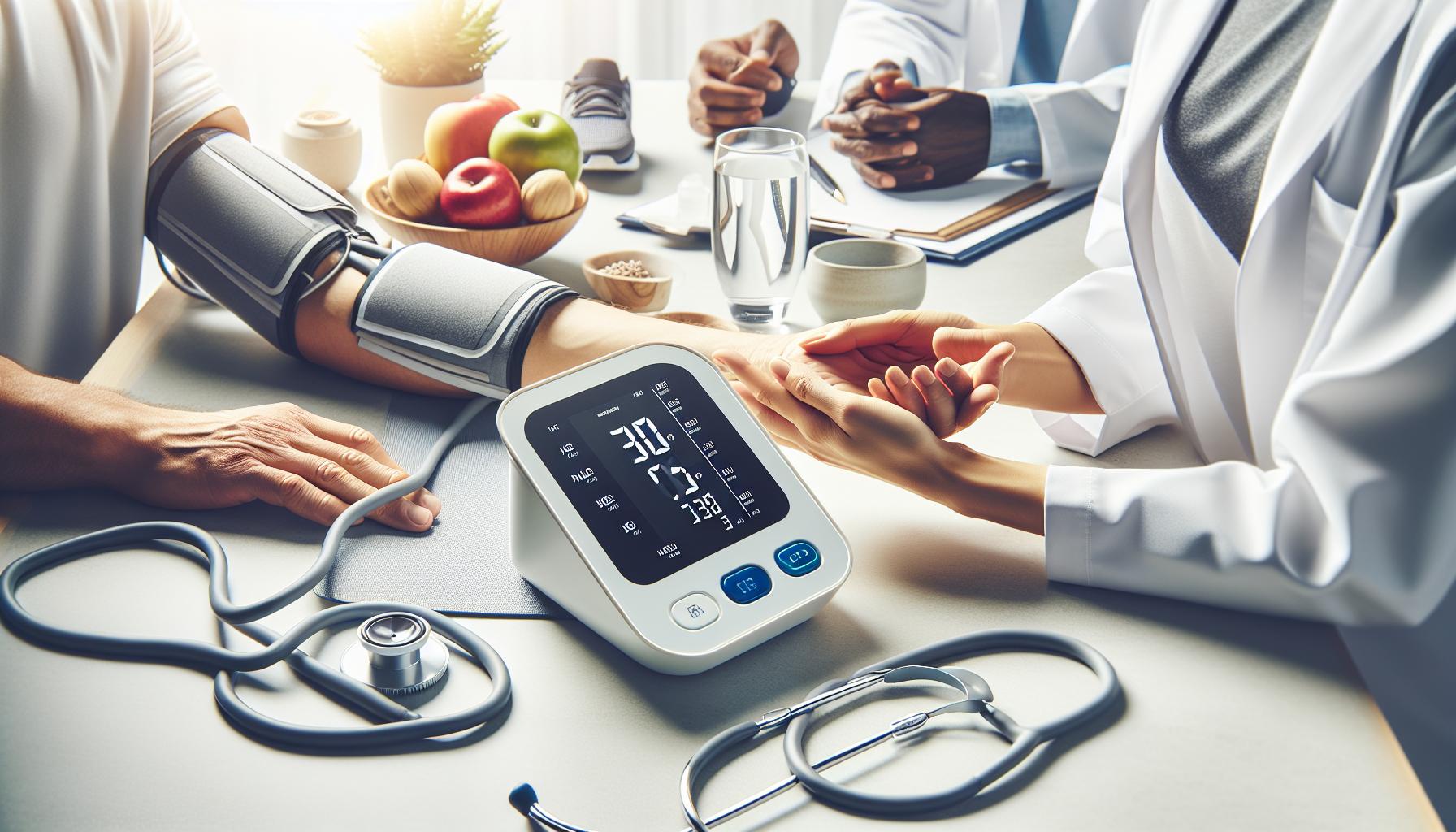
Understanding Blood Pressure Calibration Importance
The accuracy of your blood pressure readings is crucial for effective health management, especially for those monitoring chronic conditions. Calibration is the process that ensures your Omron blood pressure machine provides reliable and precise measurements. Without regular calibration, the device may deliver faulty readings, leading to misdiagnoses and potentially harmful health consequences. Research shows that even slight deviations in blood pressure measurements can lead to misguided healthcare decisions, affecting treatment plans and overall health outcomes.
Regular calibration is essential for a few reasons. First, it accounts for wear and tear: sensors may drift over time due to aging components or environmental factors. Second, individuals’ physiological changes, such as fluctuations in arm size or circulation, can impact readings. Lastly, different measurement techniques, whether automatic or manual, necessitate a calibration to ensure consistency. By investing time in understanding and executing proper calibration, you empower yourself to take charge of your blood pressure health confidently.
To stay on track, schedule routine checks on your blood pressure monitor using a known standard, such as your healthcare provider’s device. This practice not only enhances accuracy but also complements your overall health management strategy. Engaging in home monitoring necessitates a proactive approach-empower yourself with knowledge about your device, recognize the signs of potential inaccuracies, and understand the importance of maintaining calibration. By doing so, you significantly improve the chances of successful health outcomes while building a better relationship with your monitoring routine.
Step-by-Step Guide to Calibrate Your Machine
To ensure the reliability and effectiveness of your Omron blood pressure monitor, calibrating the device is essential. A well-calibrated machine not only validates your readings but also enhances your confidence in managing your blood pressure. Here’s a straightforward approach to calibrate your Omron blood pressure monitor effectively.
Gather Necessary Equipment
Before starting the calibration process, assemble the following items:
- Your Omron blood pressure monitor.
- A calibrated sphygmomanometer (manual blood pressure monitor) from a healthcare professional.
- A reliable assistant, if possible, to help with readings.
Calibration Steps
- Prepare for the Calibration: Ensure that both monitors are in a quiet, comfortable setting. This minimizes external factors that could affect blood pressure readings, such as stress or movement.
- Take Initial Readings: Start by taking three consecutive readings with your Omron device. Record each measurement. You can use a logbook or a smartphone app to track these values easily.
- Measure with the Calibrated Sphygmomanometer: Have your assistant apply the calibrated sphygmomanometer according to the proper technique:
– Ensure the cuff is applied correctly (around the upper arm).
– Inflate the cuff and gradually release pressure while listening for the Korotkoff sounds.
– Record the systolic and diastolic readings.
- Compare Readings: Compare the values obtained from your Omron device with those from the sphygmomanometer:
– Assess if the Omron readings are consistently higher, lower, or similar.
– Make note of any differences and their consistencies across multiple measurements.
Adjustments if Necessary
If you notice that the differences between the readings are significant (beyond a margin of 5 mmHg), consult the manufacturer’s instructions for recalibration or reset procedures. Some models allow for manual adjustments, while others may need professional service.
Regular calibration is not just about accuracy; it enhances your capability to monitor your health effectively. By fostering a routine that includes this step, you empower yourself to not only track your blood pressure but also engage more proactively in your overall health management.
Common Calibration Issues and Solutions
Calibration of blood pressure monitors is crucial for accurate readings, yet many users encounter challenges that can lead to confusion and frustration. One common issue is obtaining inconsistent readings across multiple measurements. This can occur for several reasons: improper cuff placement, user anxiety, or variations in arm position. To mitigate this, always ensure the cuff is snug and positioned correctly on the upper arm, keeping the arm supported and at heart level during readings. This consistent setup helps in reducing variability and improving measurement reliability.
Another frequent problem is the discrepancy between the readings from an Omron device and that of a calibrated sphygmomanometer. If you find that the differences exceed 5 mmHg, it may indicate the need for recalibration. Check the manufacturer’s instructions as some models feature a built-in recalibration option, while others might require professional servicing. Keeping your device up to date with the latest software, if applicable, can also help enhance its performance.
Humidity and temperature can also affect the accuracy of your blood pressure monitor. For optimal performance, store the device in a controlled environment, avoiding extremes of heat or moisture. If you suspect environmental factors are influencing your device’s readings, consider moving the device to a different location before taking measurements.
Lastly, remember that regular maintenance-cleaning the cuff and monitoring battery life-is essential for sustaining the accuracy of your measurements. By proactively addressing these common calibration issues, you can ensure your Omron blood pressure monitor remains a reliable tool in managing your health effectively. Each step you take in maintaining and optimizing your device empowers you to monitor your health with confidence.
Maintaining Your Omron Blood Pressure Device
To ensure accurate and consistent readings from your Omron blood pressure monitor, ongoing maintenance is essential. Regular care not only prolongs the lifespan of the device but also enhances the reliability of its measurements, providing you with crucial insights into your cardiovascular health. A well-maintained device empowers you to manage your blood pressure effectively and with confidence.
Start by regularly cleaning the cuff and other components of the device. Cuffs can accumulate sweat and oil from the skin, which may affect their integrity and performance. Use a soft, damp cloth to wipe down the cuff after use, ensuring that it’s not exposed to harsh chemicals or excessive moisture. Additionally, inspect the cuff and tubing for any signs of wear or damage, as this could lead to inaccurate readings.
Battery Management
The battery life of your Omron blood pressure monitor is another key area for maintenance. Ensure that you replace the batteries as soon as you notice a decrease in performance or accuracy. If your model has a rechargeable battery, make it a habit to charge it regularly and avoid overcharging, which can weaken the battery over time. Storing spare batteries in a cool, dry place will also help maintain their lifespan.
Storage Conditions
Where and how you store your device can also influence its accuracy. Keep the unit in a stable environment, away from extreme temperatures and humidity. For instance, avoid placing your monitor in a bathroom, where fluctuations in temperature and moisture levels can occur. A dedicated drawer or shelf can serve as an ideal storage solution.
Regular Checks and Calibration
Finally, periodically check the calibration of your blood pressure monitor against a standard or professionally calibrated device. While Omron monitors are designed for user-friendly operation, manufacturers often recommend recalibration at least once a year, or more frequently if you notice any discrepancies in readings. Some models offer built-in calibration features, while others might require professional servicing.
By prioritizing these maintenance practices, you’ll enhance the accuracy and reliability of your Omron blood pressure monitor, ultimately supporting your health management efforts. Being proactive with care not only boosts your device’s performance but also reinforces your commitment to staying on top of your cardiovascular health.
When to Seek Professional Calibration Services
Regular calibration of your Omron blood pressure monitor is crucial to ensure accurate readings and reliable health management. However, determining can sometimes be a challenge for users. If you encounter inconsistencies in the readings, it might be time to consult a professional. For instance, if your monitor consistently shows high or low values compared to other devices, professional calibration could rectify potential inaccuracies.
You should also consider professional calibration services if you haven’t recalibrated your monitor in over a year. The general recommendation is to check the calibration annually, but specific environments, such as fluctuations in temperature or humidity, might necessitate more frequent calibration checks. Additionally, if your device has been dropped or exposed to moisture, professional servicing is advisable. Regular calibration not only ensures your device functions accurately but also instills confidence in management of your cardiovascular health.
Signs Indicating the Need for Professional Calibration
- Inconsistent Readings: When you notice significant discrepancies between your monitor and other medical devices.
- Aging Device: If your blood pressure monitor is older than two years without calibration, it’s wise to check.
- Accidental Damage: Dropping the device or exposure to moisture can affect its calibration.
Investing in professional calibration can help you maintain the reliability of your blood pressure readings, ultimately supporting your health management efforts. It provides peace of mind, allowing you to focus on lifestyle changes and medication adherence rather than worrying about the accuracy of your home monitoring device. By prioritizing professional calibration, you reinforce your commitment to effective health management and empower yourself with accurate data for better decision-making.
Comparing Omron Models: Which is Best for You?
When selecting the most suitable Omron blood pressure monitor for your specific needs, understanding the variety of models available can make a significant difference in your health management journey. Omron offers a range of devices, each designed to cater to different lifestyles and preferences, ensuring that accurate monitoring is accessible to everyone. From basic models intended for home use to advanced units with sophisticated features, choosing the right device involves considering your health requirements, tech comfort level, and budget.
Start by evaluating whether you need a basic model or one with advanced functions. Models like the Omron Platinum have features such as Bluetooth connectivity, multiple user profiles, and the ability to store a large number of readings, making them ideal for tech-savvy individuals or those monitoring conditions that require frequent tracking. In contrast, more straightforward models like the Omron Silver offer reliable accuracy without the extra bells and whistles, making them perfect for users who prefer simplicity.
Another critical factor to consider is cuff size and style. Some Omron blood pressure monitors come with an easy-wrap cuff designed to ensure accurate readings even for those with larger arms, while others may provide a standard size. An ill-fitting cuff can lead to inaccurate measurements, undermining your monitoring efforts. Additionally, consider whether you’d prefer a device with a digital display that’s easy to read or one that offers voice-guided instructions for ease of use, particularly for users with limited vision.
Lastly, check for compatibility with mobile health apps. Many of Omron’s newer models sync with smartphone applications, allowing you to track your readings conveniently and share data with healthcare providers. This feature can enhance your understanding of your health trends over time, empowering you to make informed decisions. By carefully comparing these factors, you can choose the Omron monitor that best aligns with your lifestyle, ensuring you effectively manage your blood pressure accurately and conveniently.
Benefits of Accurate Blood Pressure Monitoring
Keeping track of your blood pressure at home is essential for maintaining good health, especially for individuals at risk of hypertension or related complications. Regular monitoring helps in early detection of any issues, empowering you to take necessary actions with your healthcare provider proactively. Studies have demonstrated that patients who regularly monitor their blood pressure at home can experience better control over their condition and reduce risks of severe complications, such as heart attacks and strokes.
One of the primary advantages of utilizing an Omron blood pressure monitor is the accuracy it offers when calibrated and maintained correctly. Accurate readings can lead to tailored treatments and lifestyle modifications that significantly improve overall cardiovascular health. For instance, individuals with fluctuating blood pressure can adjust their prescribed medications or exercise regimens based on precise data obtained from their monitors. This level of personalization is essential for effective disease management.
Consistent blood pressure monitoring can also help identify trends, enabling you to recognize patterns related to your lifestyle’s impact on heart health. Factors like stress, dietary changes, and physical activity can be tracked, providing crucial insights into how your lifestyle choices influence your blood pressure. Most modern Omron devices also offer features like Bluetooth connectivity, allowing you to log and analyze your readings conveniently via mobile applications, thus enhancing your engagement in your health management.
In addition to supporting personal health management, accurate blood pressure monitoring fosters better communication between you and your healthcare provider. When you present consistent and reliable data during visits, your provider can make better-informed decisions, ultimately leading to more effective treatment plans. Embracing this proactive approach not only equips you with the tools to manage your health effectively but significantly contributes to long-term well-being.
Tips for Accurate Blood Pressure Measurements
To achieve reliable blood pressure readings, understanding the nuances of measurement technique is crucial. Poor practices can lead to inaccuracies, leaving you with data that might misrepresent your actual health status. To ensure that you get the most accurate results when using your Omron blood pressure machine, consider the following essential tips:
Preparation is Key
Before taking your blood pressure, it’s important to prepare both yourself and your environment:
- Choose the Right Time: Plan to monitor your blood pressure at the same time each day. Morning or evening can be ideal, but try to avoid taking measurements immediately after waking or after physical activity.
- Limit Factors that Affect Readings: Avoid caffeine, smoking, and heavy meals at least 30 minutes prior to measurement, as these can elevate blood pressure temporarily.
- Find a Comfortable Position: Sit quietly for 5 to 10 minutes in a comfortable chair before taking a reading. Ensure your back is supported, feet are flat on the floor, and arm is at heart level.
Measuring Techniques
How you measure can significantly influence the accuracy of your reading. Follow these techniques to ensure reliability:
- Proper Cuff Placement: Use the cuff that came with your Omron device, ensuring it is placed snugly around the upper arm, 1 inch above the elbow. The cuff should be at heart level for the most accurate reading.
- Multiple Readings: For best practices, take two or three measurements at 1-2 minute intervals. Record all readings to provide your healthcare provider with a complete picture of your blood pressure over time.
- Stay Still and Silent: During measuring, remain still and avoid talking or moving. External motion can affect the accuracy of the reading.
Post-Measurement Steps
Once you have taken your measurements, it’s equally important to note what to do next:
- Document Your Results: Keep a written or digital log of your readings, including the date and time. This helps in tracking changes in your blood pressure over time.
- Consult Your Health Provider: If you notice consistent highs or lows in your readings, discuss these trends with your healthcare professional, as they may indicate a need for medication adjustment or lifestyle changes.
By implementing these simple yet effective tips, you can enhance the precision of your Omron blood pressure readings. Regular, accurate monitoring is not just a routine; it is a vital part of taking control of your health and making informed decisions about your lifestyle and healthcare strategies.
Integrating Blood Pressure Monitoring into Daily Routine
Integrating blood pressure monitoring into your daily routine doesn’t have to feel like a chore; instead, it can become a vital part of your health management strategy that contributes significantly to your overall well-being. To truly reap the benefits of your Omron blood pressure machine, consider setting specific times for your measurements just as you would for any other important appointment. Consistency is key, and aligning your monitoring routine with daily activities can help reinforce its importance.
One practical approach is to incorporate your blood pressure readings into your morning or evening rituals. For instance, measuring your blood pressure right after getting out of bed or before going to sleep can create a natural habit. Pair this with other wellness activities, such as meditation or journaling, to not only foster a calm state for accurate readings but to also track your health progress over time. During these sessions, you can reflect on your measurements, jot down any notes on how you feel, and make connections between lifestyle choices and your blood pressure trends.
Additionally, leveraging technology can greatly enhance the integration of blood pressure monitoring into your daily life. Omron devices often come with features such as smartphone connectivity and apps that allow you to record, analyze, and share your readings with healthcare providers effortlessly. This connectivity not only streamlines the tracking process but encourages timely interaction with your healthcare team, creating a support system you can rely on for managing any concerns that arise.
While the physical act of measuring blood pressure is crucial, your mindset plays an equally significant role. Viewing these readings as vital indicators of your health can empower you to make positive lifestyle changes. Discussing your results with family members opens the door for shared health goals; perhaps you can encourage each other to maintain healthy diets, engage in regular physical activity, or participate in stress-reduction techniques together. By fostering an environment of support and accountability, you can transform blood pressure monitoring from a solitary task into a collective health journey.
Understanding Blood Pressure Readings and Their Implications
Understanding blood pressure readings is crucial for effective health management, as these numbers can reveal vital information about your cardiovascular health. Blood pressure is usually expressed in two measurements: systolic and diastolic pressure. The systolic number (the first reading) measures the pressure in your arteries when your heart beats, while the diastolic number (the second reading) measures the pressure in your arteries when your heart rests between beats. A typical reading might look like this: 120/80 mmHg, where 120 is the systolic pressure and 80 is the diastolic pressure.
The implications of these readings are significant. Normal blood pressure is generally below 120/80 mmHg. Blood pressure readings above this range can indicate different stages of hypertension. For instance, readings from 120-129 systolic and below 80 diastolic are considered elevated, while hypertension begins at 130/80 mmHg. Persistent elevation should not be overlooked, as high blood pressure can lead to serious health concerns, including heart disease, stroke, and kidney problems.
Additionally, understanding how to interpret variations in your readings is essential, as they can be influenced by various factors. Stress, caffeine intake, physical activity, and even the time of day can affect your blood pressure. It’s advisable to take multiple readings at different times and keep a log of these variations. This practice not only aids in recognizing trends but also provides valuable data for discussions with healthcare providers. Monitoring these patterns can empower you to make informed lifestyle changes; for instance, engaging in regular physical activity, reducing salt intake, and managing stress levels can significantly contribute to maintaining healthy blood pressure levels.
Ultimately, consistent and accurate monitoring of your blood pressure using devices like the Omron blood pressure machine can help you better understand your body and manage your health proactively. By familiarizing yourself with your readings and their implications, you position yourself to take meaningful action toward a healthier future.
Exploring Advanced Features of Omron Blood Pressure Monitors
Omron blood pressure monitors are equipped with a range of advanced features designed to enhance monitoring accuracy and user experience. These tools not only facilitate effective blood pressure management but also promote better understanding and engagement with personal health. For those seeking to optimize their reading accuracy, familiarizing oneself with these features is essential.
One of the standout innovations in many Omron models is their Advanced Averaging technology. This feature takes multiple readings within a short time-frame and calculates the average, delivering a more reliable representation of your blood pressure. Given that single measurements can be misleading due to transient factors like stress, food, or physical activity, this averaged reading contributes to a clearer overall picture. This capability is particularly helpful for individuals who may experience anxiety during measurement, as it can alleviate the impact of “white coat syndrome.”
The Bluetooth connectivity featured in select Omron devices enables seamless integration with mobile health applications. Through dedicated apps, users can not only track their readings over time but also share this data directly with healthcare providers. This ongoing communication can lead to more personalized treatment plans and better management of conditions such as hypertension. Additionally, features like arrhythmia detection provide alerts if irregular heartbeats are detected, allowing users to consult their healthcare professionals promptly.
When investing in an Omron blood pressure monitor, consider options with a comfort cuff design. These cuffs are often more ergonomic, minimizing discomfort during measurements and reducing the need for repeated attempts-thus enhancing compliance and accuracy. Moreover, many monitors come equipped with user memory formats, which can store readings for multiple users, making it easier to monitor the health status of various family members without the hassle of manual record-keeping.
Lastly, understanding and utilizing the multi-language support offered by many devices is vital for users in diverse settings. Being able to switch languages increases accessibility and encourages proper usage, further ensuring that users can make the most of their Omron monitors. By leveraging these advanced features, you can enhance the accuracy and effectiveness of your blood pressure monitoring routine, empowering you to take greater control over your cardiovascular health.
FAQ
Q: How often should I calibrate my Omron blood pressure machine?
A: You should calibrate your Omron blood pressure machine at least once a year, or more frequently if you notice inconsistent readings. Regular calibration ensures accurate measurements, allowing for effective blood pressure management.
Q: What should I do if my Omron blood pressure monitor gives erratic readings?
A: If your monitor provides erratic readings, first check the cuffs’ position and ensure they fit snugly. Also, verify the device’s battery and perform a calibration. If issues persist, consult the manufacturer’s support for professional evaluation.
Q: Can I use my smartphone to calibrate my Omron blood pressure machine?
A: No, you cannot directly use a smartphone to calibrate your Omron blood pressure machine. Calibration requires a comparison with a validated reference device. Refer to the manufacturer’s instructions for specific calibration procedures.
Q: What are the signs that my blood pressure monitor needs calibration?
A: Signs that your blood pressure monitor needs calibration include inconsistent readings, values that seem unusually high or low, or if the device hasn’t been used for a long period. Regular checks help maintain accuracy.
Q: Is there a way to reset my Omron blood pressure monitor?
A: Yes, you can reset your Omron blood pressure monitor by turning it off and then removing the batteries for a few seconds. Reinstall the batteries, and the device will reset to factory settings. Refer to the user manual for model-specific instructions.
Q: Why is it important to calibrate my blood pressure monitor?
A: Calibrating your blood pressure monitor is crucial for ensuring accurate readings, which are essential for effective health monitoring and management. Inaccurate readings can lead to incorrect treatment decisions.
Q: What Comparisons should I make before calibrating my Omron machine?
A: Before calibrating, compare your Omron readings with those from a clinically validated device or your healthcare provider’s office. This helps identify any discrepancies that necessitate calibration.
Q: How do temperature and humidity affect blood pressure monitoring accuracy?
A: Extreme temperature or high humidity can affect the accuracy of your blood pressure monitor. Store the device in a controlled environment and avoid measurements under these conditions for reliable results.
In Summary
By ensuring that your Omron blood pressure machine is properly calibrated, you take a significant step toward managing your health more effectively. Remember, consistent monitoring is crucial in maintaining optimal blood pressure levels. If you have any questions or concerns about your readings, don’t hesitate to consult a healthcare professional.
For more insights on effective blood pressure management, check out our detailed articles on lifestyle changes that can positively impact your health, or explore our comprehensive guide on understanding blood pressure terminology. Stay informed and take charge of your health today!
Don’t forget to subscribe to our newsletter for the latest updates and tips on health management strategies, and share your thoughts in the comments below-we’d love to hear from you!