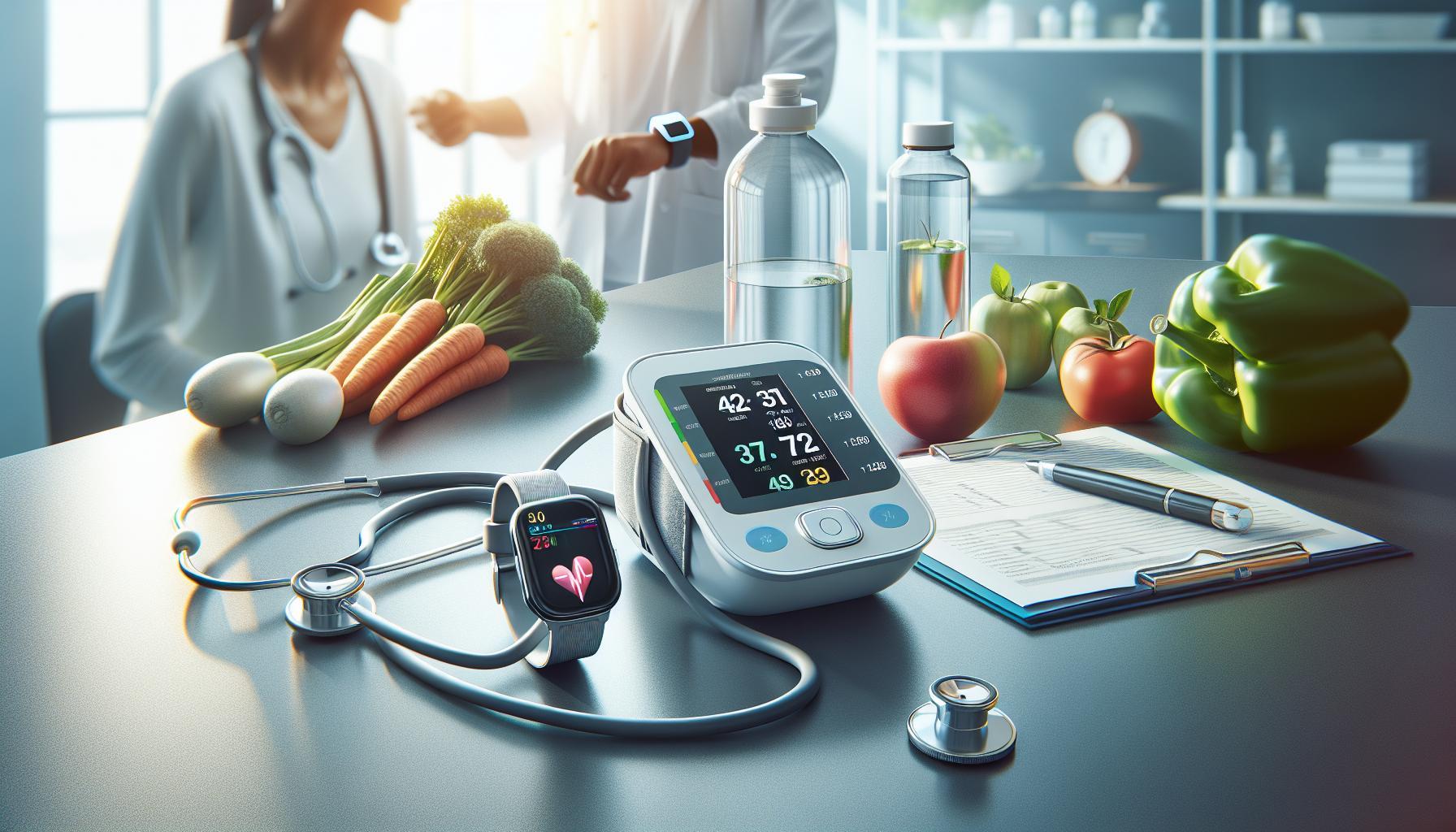
High blood pressure often flies under the radar, quietly impacting your health without obvious symptoms. When reading a blood pressure measurement like 150/110, it’s understandable to feel concerned. This level may indicate hypertension, which can lead to serious health complications over time, including heart disease and stroke.
Understanding what these numbers mean can empower you to take charge of your health. Knowing when to seek help is crucial for prevention and management, especially if you experience additional symptoms. As you delve deeper into this article, you’ll discover practical steps to monitor your blood pressure effectively, lifestyle changes that can make a difference, and important indicators for when it’s time to consult a healthcare professional. Your journey to better health starts with awareness, and staying informed is the first step towards a healthier life.
Is Blood Pressure of 150/110 Considered High?
A blood pressure reading of 150/110 mm Hg is considered significantly high and falls within the stage 2 hypertension category, as classified by the American Heart Association. This level of blood pressure puts an individual at an increased risk for various cardiovascular issues, including heart attack, stroke, and other serious health complications. It is crucial to recognize what such readings entail and the potential dangers they represent, particularly the elevated diastolic number, which can indicate an ongoing strain on the heart and blood vessels.
Monitoring your blood pressure consistently is key to managing hypertension effectively. If you notice a reading of 150/110, it is wise to take several immediate steps. Rest for a few minutes, then recheck your blood pressure to confirm the reading, ensuring that you’re in a relaxed state to avoid temporary spikes. Furthermore, lifestyle changes should be considered, such as reducing salt intake, managing weight, increasing physical activity, and minimizing alcohol consumption. Implementing these changes can significantly impact blood pressure levels over time.
If your blood pressure consistently stays at or above this threshold, or if you experience symptoms like severe headaches, shortness of breath, or chest pain, seeking medical assistance is imperative. Healthcare providers may recommend a tailored treatment plan, which may include medications alongside lifestyle modifications. Taking proactive steps today can greatly enhance your chances of maintaining healthy blood pressure levels and reducing the risks associated with hypertension.
Understanding Blood Pressure Readings and Ranges
Understanding blood pressure readings is essential for anyone looking to maintain optimal health, especially when it comes to conditions like hypertension. Blood pressure is measured in millimeters of mercury (mm Hg) and typically consists of two numbers: systolic (the upper number) and diastolic (the lower number). The systolic number indicates the pressure in your arteries when your heart beats, while the diastolic number measures the pressure when your heart is at rest between beats.
Normal blood pressure is generally considered to be under 120/80 mm Hg. Readings are categorized as follows:
- Normal: Less than 120/80 mm Hg
- Elevated: 120-129/<80 mm Hg
- Hypertension Stage 1: 130-139/80-89 mm Hg
- Hypertension Stage 2: 140 or higher/90 or higher mm Hg
- Hypertensive Crisis: Higher than 180/higher than 120 mm Hg
A blood pressure reading of 150/110 mm Hg is categorized as stage 2 hypertension, indicating a significant risk for serious health complications. At this level, there is an increased likelihood of heart disease, stroke, and other cardiovascular issues. It’s crucial to understand that both numbers play an important role; elevated systolic and diastolic pressures can both indicate harmful strain on the cardiovascular system.
Monitoring your blood pressure regularly not only helps in keeping track of your health but also informs you when immediate action or lifestyle changes are necessary. If you consistently experience high readings, it may be time to consult a healthcare provider for a tailored management plan that may include lifestyle modifications and medication. Understanding your blood pressure range empowers you to take proactive steps towards maintaining a healthier life.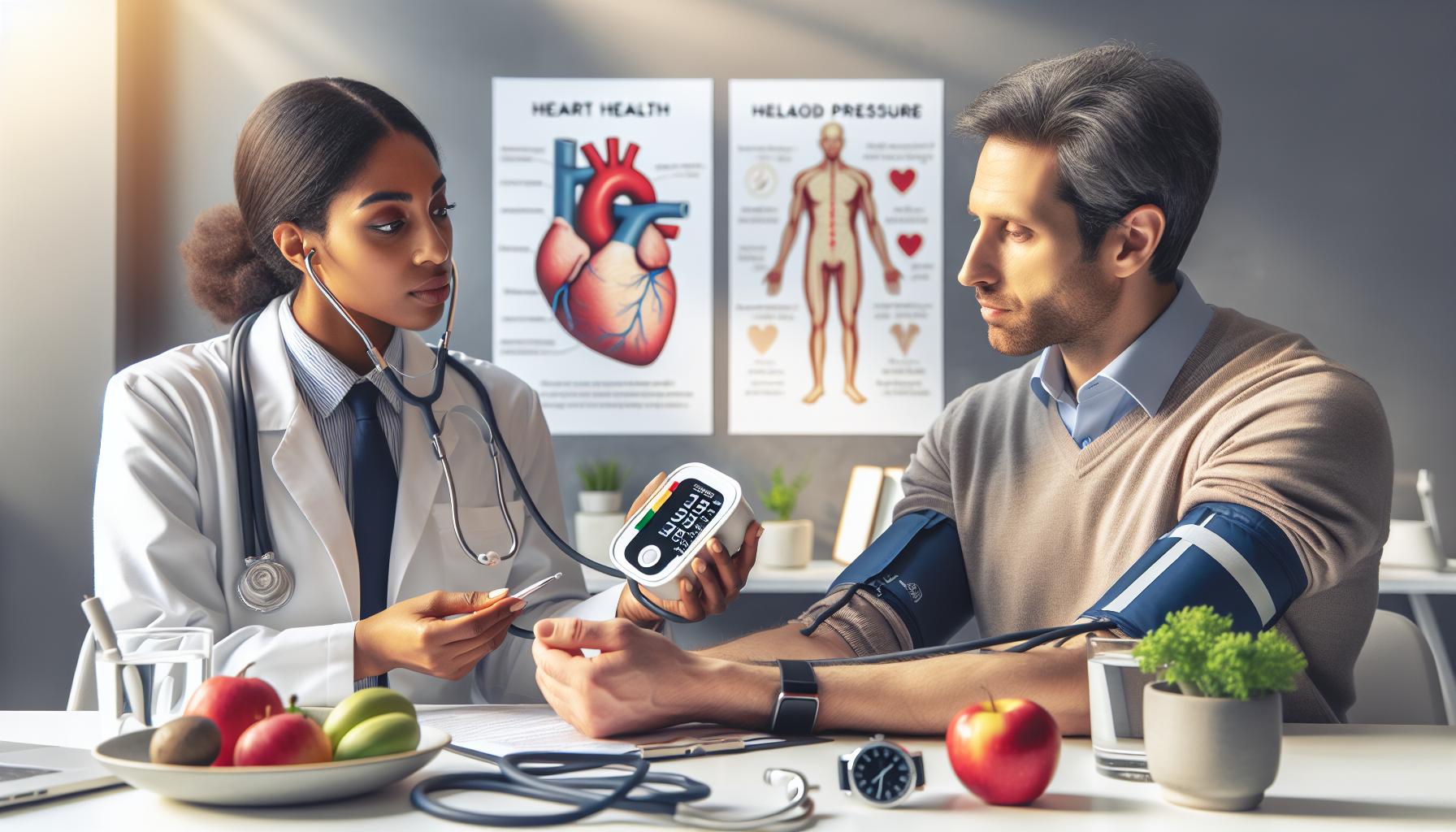
Symptoms of High Blood Pressure You Shouldn’t Ignore
High blood pressure can often go unnoticed, as many individuals may not experience noticeable symptoms until it becomes severe. However, being aware of the signs associated with elevated blood pressure is crucial for proactive health management. If you have a reading of 150/110 mm Hg, you find yourself in a serious hypertension category. This level of hypertension can lead to significant health risks, and recognizing symptoms can help you react promptly to prevent complications.
Common symptoms of high blood pressure may include:
- Headaches: Frequent or intense headaches, especially in the morning, can be an indicator of rising pressure levels.
- Shortness of Breath: Difficulty breathing during regular activities may point to heart strain.
- Nosebleeds: Unexplained nosebleeds can occur as a result of burst blood vessels in the nasal cavity.
- Flushing: A sudden change to a flushed appearance can suggest elevated blood pressure.
- Blurred Vision: Changes in vision can signify that high blood pressure is affecting blood flow to the eyes.
- Dizziness: Frequent feelings of dizziness or lightheadedness can occur due to compromised circulation.
While occasional headaches or dizziness may be attributed to other causes, persistent experiences of these symptoms-especially in conjunction with a significant blood pressure reading-warrant immediate attention. It’s essential to remember that some individuals may not exhibit any symptoms at all, which is why regular monitoring is crucial for early detection.
If you experience any of these symptoms, especially alongside the high reading of 150/110 mm Hg, it’s vital to consult a healthcare provider without delay. They can conduct further assessments and help devise a plan for managing your blood pressure effectively. Taking proactive steps now can lead to significant improvements in your long-term health and well-being. Maintaining awareness of your body and recognizing when something feels off is a powerful tool in the effective management of hypertension.
Immediate Steps to Take with High Blood Pressure
Managing a blood pressure reading of 150/110 mm Hg is crucial, as it can lead to serious health issues. The first immediate step is to ensure you’re in a calm environment. Stress can exacerbate hypertension, so take a few moments to breathe deeply and relax. If you have a home blood pressure monitor, use it to confirm your readings; this can help eliminate the anxiety that may come from being in a clinical setting.
Next, consider drinking water to stay hydrated. Dehydration can affect blood pressure levels, and hydrating may help maintain a healthier reading. If you haven’t recently eaten, have a light snack; low blood sugar can influence blood pressure as well.
If your symptoms include severe headaches, chest pain, or shortness of breath, take these warnings seriously. Lay down in a comfortable position in a quiet room and monitor your symptoms. If they intensify or you experience new symptoms, it’s imperative to seek emergency medical care immediately.
In parallel, reach out to your healthcare provider. They can provide personalized advice and may suggest medication adjustments or lifestyle changes tailored to your specific needs. Keeping them informed can facilitate more effective management of your condition, not just in the moment but in the long term. Regular follow-ups are vital to ensure your blood pressure stays within a manageable range.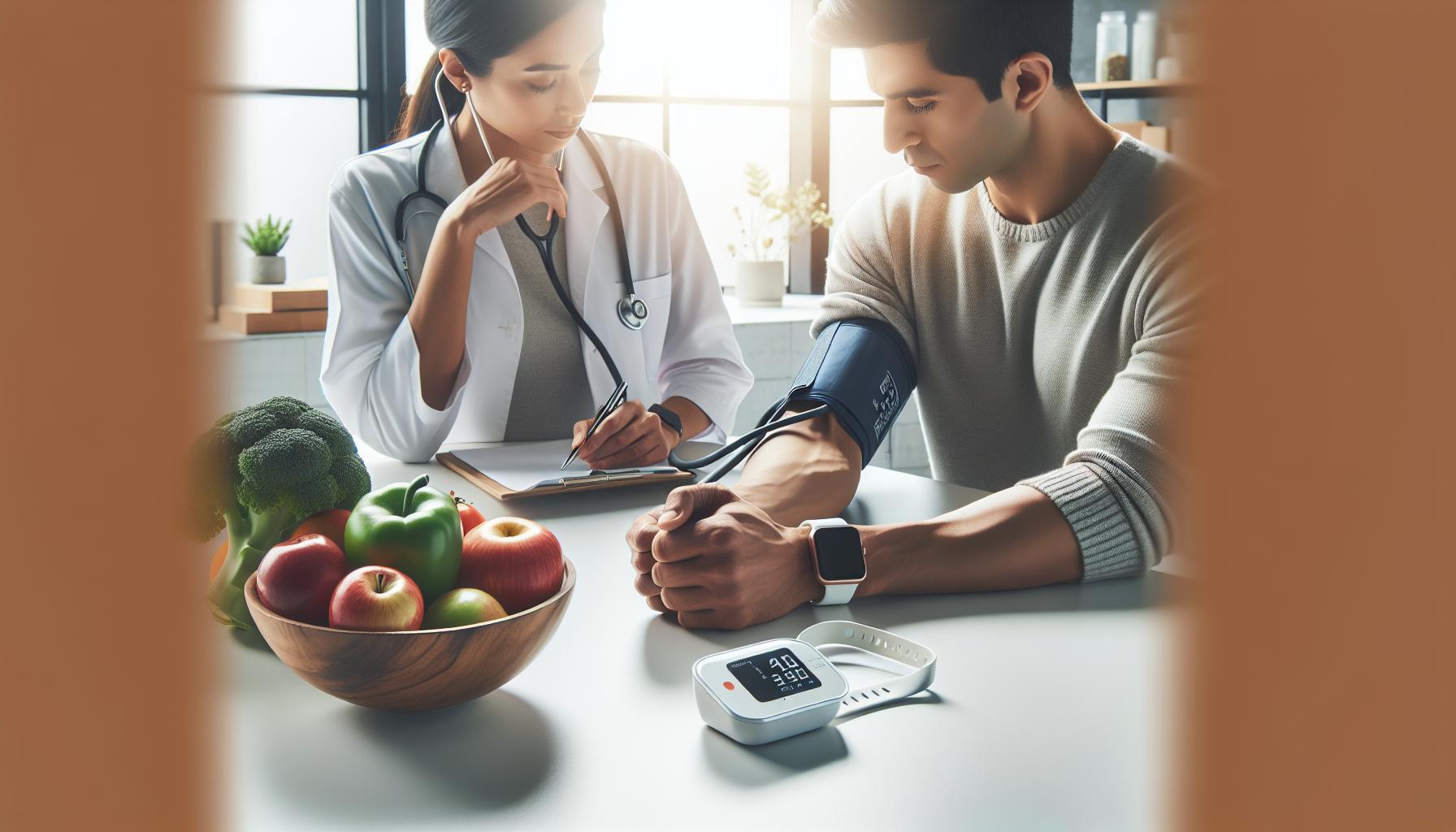
When to See a Doctor for Blood Pressure Concerns
A blood pressure reading of 150/110 mm Hg is a clear indicator that medical attention is necessary. High blood pressure, or hypertension, can lead to severe health complications if left unmanaged. Understanding when to see a doctor is crucial for timely intervention and effective management. If you consistently measure high blood pressure readings-especially if they reach or exceed this level-consider it a prompt to consult your healthcare provider.
It’s essential to act swiftly if you experience symptoms that may indicate hypertension or its complications. Signs such as persistent headaches, blurred vision, shortness of breath, or chest pain warrant immediate medical evaluation. These symptoms can escalate quickly, and acting promptly can significantly affect outcomes. If any alarming symptoms arise, do not hesitate to seek emergency medical care. Having an open line of communication with your healthcare provider is vital, as they can tailor advice to your situation, which may include lifestyle adjustments or medication management.
In addition to symptomatic guidance, regular monitoring is key. If you notice repeated elevated readings over a few days or weeks, schedule a visit with your doctor. It’s beneficial to keep a log of your blood pressure readings, noting the time of day, any symptoms experienced, and lifestyle factors that could influence your levels. This detailed information will aid your healthcare provider in developing a comprehensive management plan to address your high blood pressure and reduce your risk of long-term complications. Remember, informed and proactive approaches to your health will empower you to maintain better blood pressure control.
Long-Term Health Risks from Sustained High Blood Pressure
Sustained high blood pressure, especially at levels like 150/110 mm Hg, poses significant long-term health risks that can profoundly affect your quality of life. Unmanaged hypertension leads to serious complications, often developing silently over years. Prolonged elevated blood pressure puts excessive strain on your arteries, heart, kidneys, and other vital organs, resulting in a cascade of potential health issues.
Among the most critical risks is cardiovascular disease. High blood pressure can cause the heart to work harder than normal, leading to conditions such as heart failure, coronary artery disease, and even heart attacks. Additionally, it can damage blood vessels, increasing the likelihood of stroke by causing arteries to rupture or become blocked. This is why monitoring your blood pressure is not just about managing numbers; it’s about safeguarding your long-term health.
Another alarming consequence of chronic hypertension is kidney damage. The kidneys filter waste and excess fluid from your bloodstream, but high blood pressure can harm the blood vessels in these organs, impairing their ability to function. This may lead to kidney disease or even kidney failure over time, necessitating dialysis or a transplant in severe cases. Moreover, sustained hypertension can influence the brain, increasing the risk of cognitive decline and conditions like dementia due to reduced blood flow and potential vascular damage.
To mitigate these risks, establishing a routine of regular blood pressure monitoring is essential. Utilize an at-home blood pressure monitor to track your readings, noting the time and associated lifestyle factors, such as diet or physical activity. Coupled with lifestyle changes like a balanced diet, regular exercise, and stress management, you can significantly reduce your hypertension markers and protect your health. Always keep an open dialogue with your healthcare provider, as they can recommend personalized strategies or adjustments to help manage your blood pressure effectively. Empower yourself with knowledge and proactive measures-your health depends on it.
Lifestyle Changes to Lower Blood Pressure Effectively
Adopting certain lifestyle changes can play a pivotal role in effectively managing and lowering high blood pressure. A synergistic approach that encompasses both dietary modifications and physical activity not only helps in alleviating hypertension but also fosters overall health. For instance, reducing sodium intake significantly can have a profound impact; studies suggest that lowering sodium consumption by about 1,000 mg per day can result in a two to eight mm Hg decrease in blood pressure. Aim for a daily intake of less than 2,300 mg, or ideally around 1,500 mg for those with hypertension.
Incorporating heart-healthy foods into your diet is equally essential. Fruits, vegetables, whole grains, and low-fat dairy products are crucial elements of what is known as the DASH diet (Dietary Approaches to Stop Hypertension). For example, potassium-rich foods like bananas and sweet potatoes can help balance sodium levels in your body. Regularly consuming foods high in omega-3 fatty acids, such as fatty fish, can also support heart health and reduce inflammation.
Physical Activity and Stress Management
Engaging in regular physical activity is another critical facet of blood pressure management. Sessions of moderate exercise, such as brisk walking, cycling, or swimming for at least 150 minutes each week can effectively lower blood pressure readings. Moreover, incorporating strength training exercises at least twice a week further enhances heart health and builds muscle mass, which can improve metabolic health.
Stress management techniques should not be overlooked, as chronic stress can contribute to elevated blood pressure. Practices such as yoga, deep breathing exercises, and mindfulness can aid in relaxation and lower stress levels. For instance, setting aside just 10 minutes a day for meditation can significantly reduce anxiety and improve overall well-being.
Maintaining a Healthy Weight and Limiting Alcohol
Maintaining a healthy weight is essential for those looking to manage their blood pressure effectively. Losing even a modest amount of weight if you are overweight can help lower blood pressure. Consulting with a registered dietitian to create a personalized meal plan can provide ongoing support in this journey.
Additionally, consider moderating alcohol consumption. While moderate drinking might offer some benefits, excessive consumption can lead to hypertension. Keep intake to no more than one drink per day for women and two for men.
By implementing these practical lifestyle changes, individuals can take significant steps toward controlling their blood pressure. Regular consultation with a healthcare provider ensures progress is monitored, allowing for timely adjustments and personalized recommendations, reinforcing the importance of proactive health management.
Medications and Treatments for High Blood Pressure
Medications play a crucial role in managing high blood pressure, especially when lifestyle changes alone are insufficient. If your blood pressure reading is 150/110, it is essential to consult your healthcare provider, as this level is considered significantly high and may pose health risks if left untreated. Physicians typically tailor treatment plans based on individual health profiles, which may include a combination of medications and lifestyle adjustments.
Common classes of medications prescribed for hypertension include:
- Diuretics: Often referred to as “water pills,” these help kidneys remove sodium and water, thereby lowering blood volume and blood pressure.
- ACE Inhibitors: Angiotensin-converting enzyme inhibitors help relax blood vessels by blocking the formation of a natural chemical that narrows blood vessels.
- Calcium Channel Blockers: These medications prevent calcium from entering cells of the heart and blood vessel walls, leading to relaxed and dilated blood vessels.
- Beta Blockers: They work by reducing the heart rate and the heart’s output of blood, which decreases blood pressure.
Each medication may have varying effects and side effects, which is why it’s essential to work closely with your healthcare provider to find the right balance. While medications are effective, integrating lifestyle changes remains vital. This includes eating a balanced diet, engaging in regular physical activity, managing stress through meditation or yoga, and limiting alcohol intake. By addressing both medication and lifestyle, it’s possible to achieve better control over blood pressure and improve overall heart health.
Monitoring your blood pressure at home is another effective strategy. Regular monitoring helps track the effectiveness of the treatment and can provide valuable information for your healthcare provider. Use a reliable digital blood pressure monitor, and record your readings at different times of the day to share during your appointments. Keeping your healthcare provider informed about any side effects or issues with your treatment regimen allows for timely adjustments and optimizes your path toward healthier blood pressure levels.
Monitoring Your Blood Pressure at Home: Best Practices
Keeping track of your blood pressure at home can empower you in managing your health, especially if you’ve been diagnosed with hypertension or your readings have been concerning, such as 150/110. Regular monitoring not only provides insight into your condition but also allows you to identify trends, which is crucial in conjunction with any prescribed medications or lifestyle changes. Understanding how to effectively monitor your blood pressure can significantly impact your health journey.
To get started, it’s essential to choose a reliable digital blood pressure monitor. Look for one that is validated for accuracy, and familiarize yourself with its operation. Before taking a reading, ensure you’re in a calm environment-this means sitting quietly for at least five minutes, avoiding caffeine, and not smoking beforehand. When you’re ready, place the cuff on your bare arm at heart level, ensuring it’s snug but not too tight, and follow the manufacturer’s instructions. Ideally, take two to three readings one minute apart to get the most accurate average.
It can be helpful to create a log of your readings, noting the date, time, and any relevant factors such as medication taken or physical activity prior to the measurement. This log will serve as a valuable tool during your doctor’s visits, allowing you to share detailed information and facilitating better communication about your treatment. You can use apps or journals designed for this purpose, making it easier to visualize your progress over time.
Regular monitoring also increases your awareness of what impacts your blood pressure daily-stress, diet, exercise, and sleep all play significant roles. If you notice consistently high readings, especially in the hypertensive range, reach out to your healthcare provider promptly. They can help you determine whether adjustments to your medications or lifestyle strategies are necessary. By actively participating in your health management through regular monitoring, you set yourself up for a more proactive approach to dealing with potential complications associated with high blood pressure.
Questions to Ask Your Healthcare Provider About Blood Pressure
It’s crucial to engage actively with your healthcare provider about your blood pressure management, especially if your readings consistently reach 150/110, a level that can indicate potential health risks. Having clear, informed dialogues can empower you to take charge of your health. Consider asking the following questions during your appointment:
Understanding Your Condition
- What does my blood pressure reading mean for my overall health? Understanding how your specific numbers correlate with health risks can clarify the urgency of managing your blood pressure.
- Are there different categories of high blood pressure, and where do I fall? Knowing your classification can help you comprehend the implications for treatment and lifestyle changes.
Monitoring and Measurement
- How should I monitor my blood pressure at home? Inquire about the best practices for using a home blood pressure monitor, including the ideal times to measure.
- What trends in my readings should concern me? Identifying critical patterns can assist you in recognizing when to seek help before a condition worsens.
Treatment Options
- Should I consider medication, or are lifestyle changes sufficient? Depending on your individual situation, your provider can help determine the best course of action.
- What lifestyle changes can significantly impact my blood pressure? Gaining insights into diet, exercise, and stress management strategies can aid in lowering your numbers effectively.
- Are there specific medications I should be aware of, and what are their side effects? Understanding potential treatments and their impacts will help you feel more prepared and informed.
The dialogue you have with your healthcare professional should also include discussions on potential long-term health risks associated with sustained high blood pressure, such as heart disease and stroke. Open, transparent communication builds a foundation for effective management strategies that align with your health goals. By taking these discussions seriously, you not only empower yourself but also foster a proactive approach to your health care.
Preventive Measures for Maintaining Healthy Blood Pressure
Maintaining healthy blood pressure is essential for overall well-being, especially when dealing with readings like 150/110, which can signal potential health risks. Fortunately, numerous preventive measures can help manage and maintain healthy blood pressure levels effectively. By making small, conscious changes in daily routines, you can significantly impact your cardiovascular health.
One of the most impactful strategies is adopting a heart-healthy diet. Focus on incorporating fruits, vegetables, whole grains, and lean proteins while reducing saturated fats, sugars, and sodium intake. The DASH (Dietary Approaches to Stop Hypertension) diet is particularly beneficial; it emphasizes foods rich in potassium, calcium, and magnesium, all of which are crucial for blood pressure control. Regular physical activity is another cornerstone of blood pressure management. Aim for at least 150 minutes of moderate aerobic activity each week, such as brisk walking, cycling, or swimming. Engaging in strength training at least twice a week can further enhance your cardiovascular fitness.
Stress Management
Chronic stress can contribute to elevated blood pressure, making stress management techniques vital. Mindfulness practices, such as meditation and deep breathing exercises, can help mitigate stress. Additionally, engaging in hobbies and activities you enjoy provides a mental break and reduces tension. It’s crucial to prioritize sleep quality as well, as poor sleep patterns can negatively affect blood pressure and overall health.
Regular Monitoring
To effectively manage your blood pressure, regular monitoring at home is essential. Invest in a reliable blood pressure monitor and establish a routine for measuring your levels at the same time each day. Keeping a log of your readings allows you to detect trends over time and provides valuable information for your healthcare provider. Ensuring adherence to prescribed medications, if applicable, and having open discussions about any side effects or concerns can also help maintain optimal blood pressure.
Overall, maintaining healthy blood pressure requires a multifaceted approach that includes dietary adjustments, regular physical activity, stress management, and consistent monitoring. By taking these proactive steps, you empower yourself to make informed choices that contribute significantly to your cardiovascular health and overall well-being.
Frequently asked questions
Q: What does a blood pressure reading of 150/110 indicate?
A: A blood pressure reading of 150/110 is classified as Stage 2 hypertension, indicating a significantly increased risk for health complications like heart disease and stroke. It is essential to consult a healthcare provider for evaluation and potential treatment options.
Q: Is it normal to feel symptoms with a blood pressure of 150/110?
A: Many individuals may not feel symptoms at a blood pressure of 150/110, but it can still be dangerous. Symptoms such as headache, dizziness, or shortness of breath may occur. If you experience any unusual symptoms, seek medical attention promptly.
Q: How can I quickly lower my blood pressure at home?
A: To temporarily lower blood pressure, try deep breathing exercises, hydration, and relaxation techniques like meditation. Avoid caffeine and salt, and consider light physical activity. However, these are not substitutes for medical intervention if your levels remain elevated.
Q: When is high blood pressure considered a medical emergency?
A: High blood pressure becomes a medical emergency if it’s accompanied by severe symptoms such as chest pain, shortness of breath, or vision changes. If your blood pressure is higher than 180/120 mmHg, seek immediate medical help.
Q: What lifestyle changes can help manage high blood pressure?
A: To manage high blood pressure, incorporate regular exercise, maintain a balanced diet rich in fruits and vegetables, reduce salt intake, manage stress effectively, and avoid smoking. These changes can significantly contribute to lowering blood pressure levels.
Q: Can anxiety affect blood pressure readings?
A: Yes, anxiety can temporarily raise blood pressure readings due to stress response. If stress or anxiety is frequent, consider stress-management techniques or consult with a healthcare provider to address its impact on your blood pressure.
Q: What medications are typically prescribed for high blood pressure like 150/110?
A: Common medications for high blood pressure include diuretics, ACE inhibitors, beta-blockers, and calcium channel blockers. Your healthcare provider will determine the appropriate medication based on individual health needs.
Q: How often should I monitor my blood pressure if I have readings around 150/110?
A: If you have blood pressure readings around 150/110, monitor it at least once a day, or as advised by your healthcare provider. Regular monitoring can help track your condition and efficacy of treatment strategies.
These FAQs provide valuable insights and actionable advice for those concerned about a blood pressure reading of 150/110. For further details, consult the corresponding sections in your article for comprehensive management strategies.
Key Takeaways
If your blood pressure reads 150 over 110, it’s crucial to act swiftly. This level indicates hypertension, which poses serious health risks if left unchecked. Monitor your blood pressure regularly, make lifestyle changes, and consult with a healthcare professional to navigate this challenge. For more insights, check out our article on managing high blood pressure effectively and learn about potential symptoms of hypertension to watch for.
Don’t hesitate to explore our resources on blood pressure management and heart health strategies that empower you to take control of your well-being. Join our newsletter for updates and expert tips, or consider signing up for a consultation to discuss personalized health strategies. Your health is your priority-take the next step to safeguard it today!