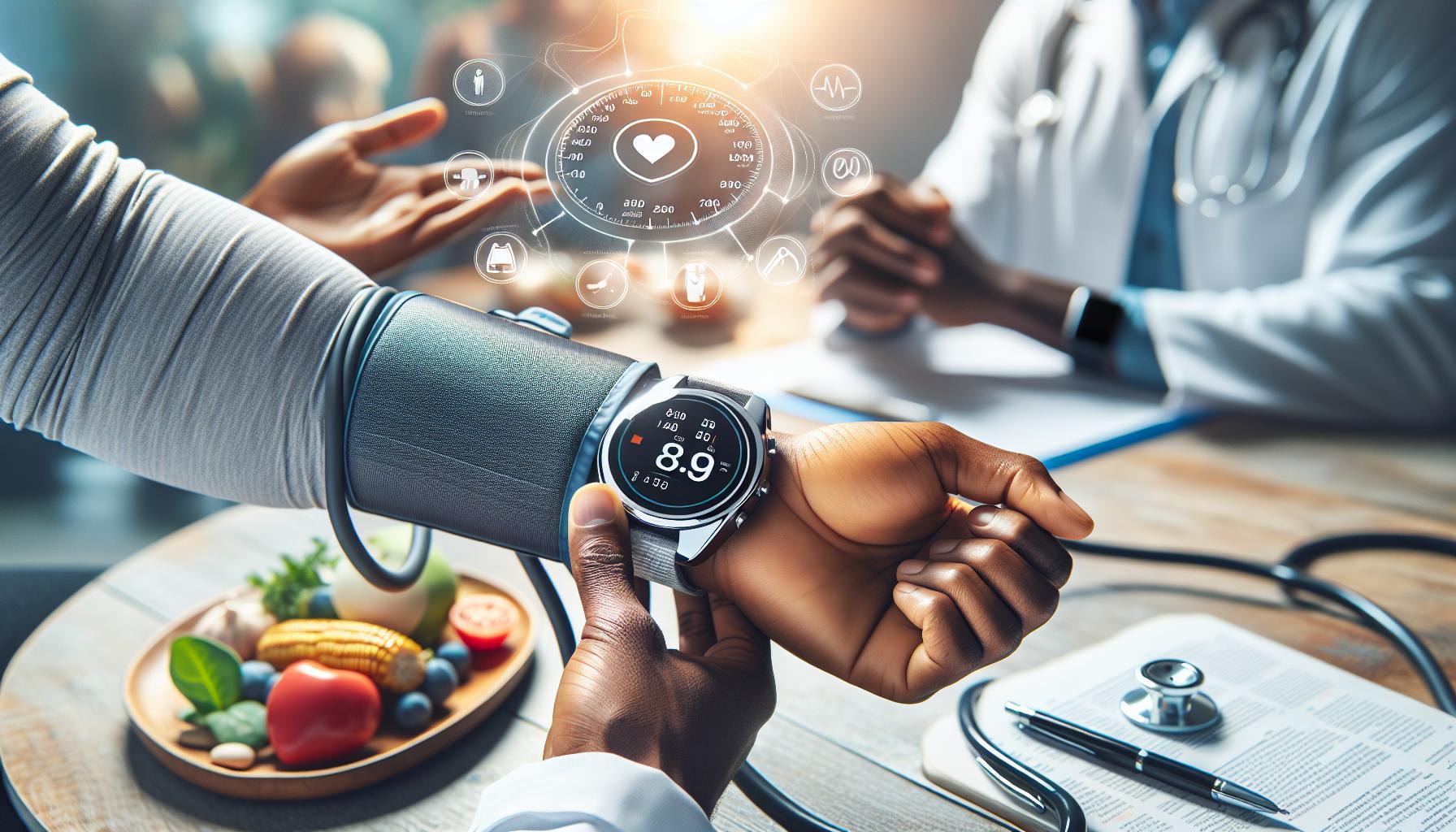
Pre-eclampsia is often associated with high blood pressure, leading many to believe it cannot occur without it. However, this misconception can leave expectant mothers unaware of other risk factors and symptoms. Understanding that pre-eclampsia can develop even in those with normal blood pressure is crucial for proactive health management during pregnancy.
This condition, characterized by high protein levels in urine and potential organ dysfunction, can have serious implications for both mother and baby. Addressing the myths surrounding pre-eclampsia empowers readers to monitor their health more effectively and seek necessary care. By debunking these misconceptions, we can ensure that all pregnant women remain vigilant and informed, paving the way for safer pregnancies. Curious to learn how to recognize the signs and manage your health? Let’s explore the truths behind pre-eclampsia and what you need to know for a healthy pregnancy.
Understanding Pre-Eclampsia: Key Facts and Myths

Pre-eclampsia is often shrouded in misconceptions, leading to confusion about its true nature and symptoms. For instance, many people believe that the presence of high blood pressure is an absolute requirement for the diagnosis of pre-eclampsia. However, it is vital to understand that while high blood pressure is a significant marker, pre-eclampsia can manifest with other symptoms, making it essential to recognize its more nuanced signs.
This condition typically develops after the 20th week of pregnancy and can present itself through various symptoms such as severe headaches, vision changes, abdominal pain, and sudden swelling of hands and face. The presence of protein in the urine is another key indicator and often occurs in tandem with elevated blood pressure. However, it’s crucial to monitor these symptoms closely, as some individuals may experience pre-eclampsia without initially meeting the standard blood pressure criteria, underscoring the need for comprehensive health assessments during pregnancy.
Understanding the myths surrounding pre-eclampsia not only empowers expectant mothers but also encourages proactive health management. Maintaining regular prenatal appointments, monitoring for symptoms, and discussing any concerns with a healthcare provider can significantly influence outcomes. It’s important to remember that knowledge is a powerful tool-being informed about the realities of pre-eclampsia can help pregnant women advocate for their health and address any issues early on.
In summary, pre-eclampsia is a complex condition that warrants attention beyond high blood pressure alone. By staying informed about its signs and symptoms, expecting mothers can ensure they’re taking the necessary steps to protect their health and the health of their babies. Regular monitoring, open communication with healthcare professionals, and a focus on overall wellness play crucial roles in the management of this condition.
What is Pre-Eclampsia and Its Symptoms?
Pregnancy is a miraculous journey, but it can also present unexpected challenges, one of which is pre-eclampsia. This condition typically surfaces after the 20th week of pregnancy and is characterized by high blood pressure and signs of damage to other organ systems, most notably the kidneys. While high blood pressure is a prominent hallmark of pre-eclampsia, it’s crucial to acknowledge that it’s not the only indicator. Understanding the full spectrum of symptoms can empower expectant mothers to seek necessary medical care and monitor their health effectively.
Symptoms of pre-eclampsia can vary significantly among individuals, which makes awareness essential. Common indicators include:
- Severe headaches: Unlike typical pregnancy headaches, these may be sharp and persistent.
- Changes in vision: Symptoms such as blurred vision, seeing spots, or light sensitivity are alarming signs.
- Abdominal pain: This can manifest in the upper right area of the abdomen and may be confused with pregnancy-related discomfort.
- Sudden swelling: Noticeable swelling of the hands, face, or feet beyond normal pregnancy edema can signal trouble.
It’s important to remember that while elevated blood pressure and protein in the urine are significant indicators of pre-eclampsia, some women may experience these symptoms even without initially high readings of blood pressure. This highlights the need for ongoing health monitoring during pregnancy, emphasizing a comprehensive approach to assessing well-being. Regular prenatal check-ups should incorporate discussions about symptoms and an understanding that conditions like pre-eclampsia can develop in unexpected and subtle ways.
By being vigilant about these symptoms and recognizing the variations in how pre-eclampsia may present, expectant mothers can take proactive steps toward their health. If any of these symptoms occur, reaching out to a healthcare provider promptly is crucial. Enhanced knowledge and responsiveness can significantly impact outcomes, ensuring both maternal and fetal health are prioritized throughout the pregnancy journey.
Can Pre-Eclampsia Occur Without High Blood Pressure?
Despite the common perception that pre-eclampsia is solely linked to high blood pressure, this condition can indeed manifest in women who initially exhibit normal blood pressure readings. Research suggests that pre-eclampsia develops due to placental problems that can trigger inflammatory responses in the body. This means that even if blood pressure is within the normal range, other symptoms such as elevated protein levels in urine or organ dysfunction might indicate an underlying issue. Understanding this can empower expectant mothers to remain vigilant regarding their health throughout pregnancy.
Monitoring your health is crucial during this time. If you experience symptoms such as severe headaches, sudden swelling in the hands and face, or visual disturbances, it is essential to contact your healthcare provider, even if your blood pressure appears normal. Regular check-ups can help in early detection, as healthcare professionals often conduct urine tests and monitor other indicators that can signify pre-eclampsia beyond blood pressure readings alone.
- Routine Blood Pressure Monitoring: Keep track of your blood pressure at home and during appointments, and share any concerns with your provider, especially if you notice fluctuations.
- Urine Testing: Be aware that a urine test can show elevated protein levels without high blood pressure being present, indicating potential pre-eclampsia.
- Recognize Symptoms: Understand the signs of pre-eclampsia that may occur outside the typical high blood pressure norm, such as nausea or extreme fatigue.
By fostering an informed approach to monitoring your health, you contribute significantly to ensuring a safer pregnancy experience. Awareness and proactive health management can lead to timely interventions, making it essential to educate yourself about the nuances of conditions like pre-eclampsia. If any of these symptoms arise, discussing them with your healthcare provider can be a critical step toward effective management and care.
The Role of Protein in Urine Testing

Detecting pre-eclampsia isn’t solely about monitoring blood pressure; the presence of protein in urine plays a critical role in diagnosing this pregnancy-related condition. Proteinuria, which refers to elevated levels of protein in urine, is a key marker that healthcare providers use to evaluate the risk of pre-eclampsia. Interestingly, a woman can exhibit signs of pre-eclampsia, such as high protein levels, even if her blood pressure remains within normal limits. This highlights the importance of comprehensive testing rather than relying solely on blood pressure readings.
Understanding why protein is significant begins with its role in the body. In a healthy state, your kidneys filter waste while ensuring that essential proteins remain in your bloodstream. However, during pre-eclampsia, the kidneys may not function properly, leading to protein leakage into urine. Notably, this can occur before any noticeable increase in blood pressure, thus underscoring the necessity for routine urine tests during prenatal visits. Expectant mothers should feel empowered to inquire about these tests and their results, as they provide valuable insights into kidney function and overall health.
Monitoring protein levels can be straightforward with regular urine tests. Healthcare providers typically look for significant proteinuria, defined as 0.3 grams of protein in a 24-hour urine collection. If you are advised to undergo urine testing, consider these steps to enhance your understanding and engagement in the process:
- Ask About Testing Frequency: Inquire how often urine tests will be conducted throughout your pregnancy.
- Communicate Symptoms: Notify your provider immediately if you experience swelling, severe headaches, or unusual fatigue, as these can signal worsening conditions.
- Understand Your Results: Don’t hesitate to ask your healthcare provider to explain your urine test results and what they mean for your health.
By staying informed and proactive in monitoring these indicators, you can better advocate for your health and that of your baby during pregnancy. Pre-eclampsia can remain undetected without symptoms, making routine urine testing essential for early detection and management, ultimately leading to healthier outcomes for both mother and child.
Risk Factors for Developing Pre-Eclampsia
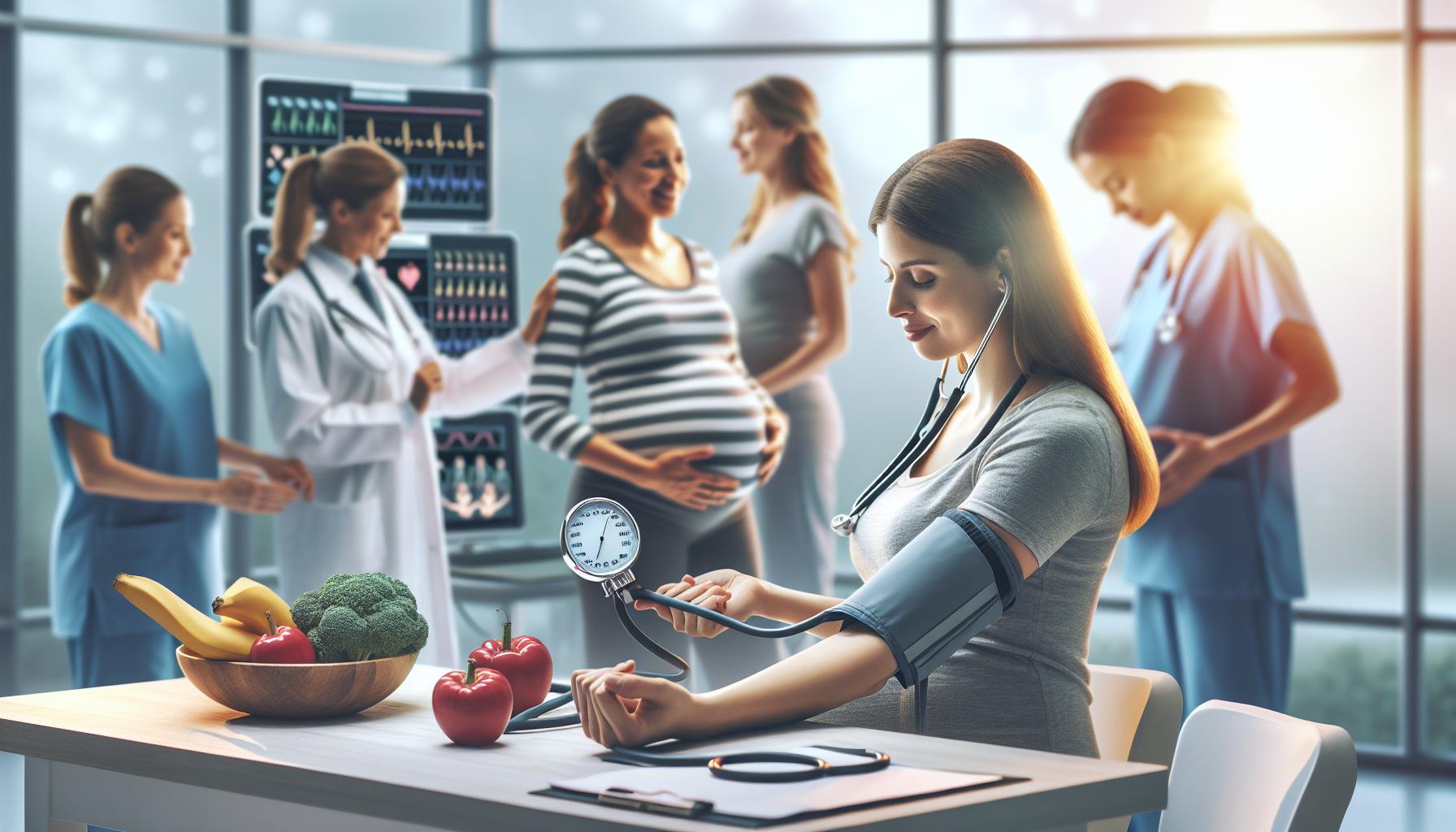
Certain factors can significantly increase the risk of developing pre-eclampsia, creating a compelling need for expectant mothers to be aware of their personal health profiles. For instance, women who are experiencing their first pregnancy are at higher risk, as the condition is more prevalent among first-time mothers. Additionally, a history of pre-eclampsia in previous pregnancies can raise the likelihood of recurrence, making it crucial for these individuals to maintain rigorous prenatal monitoring.
Key Risk Factors to Consider
Several demographic and medical factors can contribute to the development of pre-eclampsia:
- Age: Women over the age of 35 are at a greater risk compared to those in younger age groups.
- Obesity: Higher body mass index (BMI) is linked to an increased risk, as excess weight can affect blood pressure and metabolic health.
- Multiple Pregnancies: Carrying twins or more raises the risk due to the increased demands placed on the body.
- Chronic Conditions: Existing issues such as chronic hypertension, kidney problems, or autoimmune disorders can predispose a woman to pre-eclampsia.
- Family History: A family history of hypertension or pre-eclampsia can also heighten risk.
Understanding these risk factors empowers women to engage in proactive health management. Regular prenatal care appointments, where blood pressure and urine tests are routinely conducted, are essential for early detection. Should you have any of the above risk factors, consider discussing with your healthcare provider any personalized strategies for monitoring and lifestyle adjustments that could mitigate these risks.
Adopting healthier lifestyle practices-such as maintaining a balanced diet, engaging in regular physical activity, and managing stress-can also play a pivotal role in reducing the risk of pre-eclampsia. By making informed choices and maintaining open communication with healthcare providers, expectant mothers can enhance their well-being and that of their baby, fostering a safer pregnancy journey.
Exploring the Myths Surrounding Pre-Eclampsia
Many people mistakenly believe that pre-eclampsia is always accompanied by high blood pressure, leading to common misconceptions that can hinder proper understanding and management of this condition. In reality, pre-eclampsia can indeed manifest in varying degrees, and while high blood pressure is a major indicator, it is not the only factor to consider. Some women may exhibit symptoms, such as elevated levels of protein in their urine, without having significantly high blood pressure measurements initially.
One prevalent myth is that pre-eclampsia only affects women with pre-existing hypertension or those who are overweight. While these factors can contribute to the risk, pre-eclampsia can also occur in women who have normal weight and no history of high blood pressure. This highlights the importance of regular monitoring and awareness of symptoms regardless of body composition or medical history. For instance, sudden swelling, headaches, or vision changes should prompt immediate consultation with a healthcare provider, as these can be early signs of pre-eclampsia, even in those who previously had normal blood pressure readings.
Another misconception is that pre-eclampsia is solely genetic. While a family history can elevate risk, many individuals without any familial links may develop the condition due to a unique combination of environmental, lifestyle, and physiological factors. It is essential for women to realize that proactive health management-such as maintaining a balanced diet, ensuring regular prenatal check-ups, and staying physically active-plays a critical role in minimizing potential risks associated with pre-eclampsia.
Ultimately, empowering yourself with accurate knowledge and open communication with healthcare providers can drastically improve both your understanding and management of pre-eclampsia. By debunking these myths, expectant mothers can better monitor their health, recognize warning signs, and seek timely medical advice, fostering safer pregnancies for themselves and their babies.
Monitoring Your Health: Signs to Watch For
Monitoring your health throughout pregnancy is essential, especially when navigating the complexities of conditions like pre-eclampsia. While many associate pre-eclampsia strictly with high blood pressure, it’s crucial to be vigilant about other symptoms that can signify its onset, even in the absence of significant hypertension. Understanding these signs enables you to take proactive steps for your health and the well-being of your baby.
Pay close attention to any sudden or severe changes in your body. Common early warning signs of pre-eclampsia include:
- Swelling: While some swelling is normal in pregnancy, sudden swelling of the face or hands is a cause for concern.
- Headaches: Persistent, severe headaches that do not respond to usual pain relief should be evaluated.
- Visual disturbances: Symptoms such as blurred vision, seeing spots, or light sensitivity are concerning indicators.
- Abdominal pain: Pain in the upper right abdomen, often described as a “stabbing” sensation, may suggest liver involvement.
- Nausea or vomiting: Severe nausea, especially if it occurs suddenly in the later stages of pregnancy, is a symptom that needs assessment.
It’s beneficial to keep a personal health diary, documenting any unusual symptoms or changes you experience throughout your pregnancy. This practice not only empowers you to recognize patterns but also provides valuable information to share with your healthcare provider. Don’t hesitate to reach out for medical advice if you experience any of the aforementioned symptoms or if you notice changes in your bodily functions.
Moreover, regular monitoring of your blood pressure at home can help you track any potential issues early on. If high blood pressure or other related symptoms arise, consult your healthcare provider immediately. A collaborative approach, where you actively engage in your health monitoring, can significantly enhance the early detection and management of pre-eclampsia, leading to safer outcomes for both you and your baby. Remember, prioritizing routine check-ups and keeping an open line of communication with your healthcare team are key strategies to safeguard your health during this critical time.
Diagnosis of Pre-Eclampsia: What to Expect
Diagnosing pre-eclampsia can be a crucial step in managing this complex pregnancy condition, especially since it can manifest without the hallmark of high blood pressure. When you visit your healthcare provider due to concerning symptoms or routine check-ups, you can expect a thorough assessment to help rule in or out the presence of pre-eclampsia.
A combination of clinical evaluations and laboratory tests is often utilized in this process. First, healthcare providers will monitor your blood pressure regularly to establish baseline and current readings. According to guidelines, hypertension in pregnant women is classified as blood pressure readings of 140/90 mm Hg or higher. However, other indicators, such as the presence of protein in the urine (proteinuria) and symptoms like significant swelling, headaches, or visual changes, play a vital role in diagnosing the condition. Your provider may request a urine test to check for protein levels, which is an essential parameter in confirming pre-eclampsia.
What to Expect During Diagnosis
During your appointment, your doctor may perform the following assessments:
- Blood tests: These are conducted to evaluate liver function, kidney function, and platelet levels, which can indicate the severity of pre-eclampsia.
- Urinalysis: A simple dipstick test can reveal protein levels in your urine.
- Monitoring symptoms: Your doctor will ask about any unusual symptoms you’ve experienced, focusing on severe headaches, vision impairment, and abdominal pain.
If pre-eclampsia is diagnosed and you are not yet near your due date, a management plan will be established. This may include increased monitoring, lifestyle modifications such as dietary changes, and possibly medications to manage your blood pressure. It’s important to maintain open communication with your healthcare team, as early detection and intervention can significantly reduce risks for both you and your baby.
Being proactive in monitoring your body’s changes and maintaining regular prenatal visits is essential. If you notice symptoms persisting or worsening, do not hesitate to seek immediate medical advice. Together with your healthcare provider, you can navigate this condition safely and effectively, ensuring better outcomes for you and your child.
Managing Pre-Eclampsia: Evidence-Based Strategies
Managing pre-eclampsia requires a proactive approach focused on both monitoring and lifestyle adjustments. Understanding that pre-eclampsia can develop without the classic symptom of high blood pressure emphasizes the need for vigilance in expecting mothers. It is crucial to develop a management strategy tailored to individual needs that can help minimize risks and promote a healthy pregnancy.
Recognizing warning signs early is essential. Regular self-monitoring of blood pressure at home, alongside note-taking of any unusual symptoms, can empower you in your healthcare journey. If you’re experiencing headaches, vision changes, or sudden swelling, it’s important to keep a record of these fluctuations to discuss with your healthcare provider. Establish a routine that includes frequent checks of your blood pressure, ideally at the same time each day, to better identify any concerning trends.
To demystify the management of pre-eclampsia, consider incorporating the following evidence-based strategies into your daily routine:
- Dietary Changes: Focus on a balanced diet rich in whole grains, fruits, vegetables, and lean proteins. Reducing salt intake can also help manage hypertension.
- Hydration: Stay well-hydrated, as proper fluid intake can help maintain blood volume and support kidney function.
- Regular Exercise: Engage in moderate physical activity as approved by your physician. Activities like walking or swimming may enhance circulation and overall health.
- Stress Management: Incorporate relaxation techniques such as prenatal yoga, meditation, or deep-breathing exercises. These can help reduce stress levels, which may have indirect benefits on blood pressure.
Additionally, maintain open communication with your healthcare team. It’s not just about monitoring symptoms but also about expressing any concerns you might have following your self-assessments. Regular prenatal visits should include discussions on the appropriateness of your management strategies, as well as any necessary adjustments to your care plan.
Ultimately, staying informed and engaged in your healthcare decisions leads to the empowerment necessary for effectively managing pre-eclampsia. By implementing these evidence-based strategies and being attentive to your body’s signals, you can significantly enhance your pregnancy journey, ensuring both your health and the well-being of your baby.
The Impact of Lifestyle on Pre-Eclampsia Risk
Engaging in a healthy lifestyle during pregnancy is not just beneficial; it can significantly influence the risk of developing conditions such as pre-eclampsia. Surprisingly, studies suggest that many pre-eclampsia cases can occur even in the absence of high blood pressure, underscores the importance of focusing on lifestyle factors that may help mitigate risks. For instance, a well-rounded diet rich in essential nutrients can improve maternal and fetal health, potentially lowering the overall risk of complications.
To effectively decrease the risk of pre-eclampsia, consider the following lifestyle adjustments:
- Nutritious Diet: Prioritize a diet loaded with leafy greens, fresh fruits, and high-fiber whole grains, which can support cardiovascular health. Key nutrients, such as antioxidants and omega-3 fatty acids, found in foods like berries, nuts, and fatty fish, may also play a protective role.
- Regular Physical Activity: Engage in moderate exercise, such as walking or swimming, for at least 150 minutes a week. This can enhance circulation and help maintain a healthy weight, which are important factors in managing blood pressure and reducing stress.
- Hydration: Staying well-hydrated is crucial. Drinking enough water can support kidney function and help manage blood volume, both of which are vital for overall health during pregnancy.
- Stress Reduction Techniques: High stress levels may impact blood pressure and overall health during pregnancy. Incorporating mindfulness practices such as meditation, prenatal yoga, or deep-breathing exercises can effectively reduce stress and enhance emotional well-being.
Additionally, regular prenatal check-ups are essential. These visits provide opportunities for healthcare providers to monitor for any early signs of pre-eclampsia, even when traditional symptoms like high blood pressure may not yet be present. Empowering yourself with knowledge and remaining proactive about your health can make a considerable difference in managing your pregnancy.
By focusing on these lifestyle factors, you can play a pivotal role in minimizing the risk of pre-eclampsia and ensuring a healthier pregnancy experience. Embracing these changes not only benefits your health but also sets a positive precedent for your baby’s. Staying informed, engaged, and supported through your medical team will help you navigate this important journey with confidence and optimism.
Long-Term Implications of Pre-Eclampsia on Maternal Health
The consequences of pre-eclampsia extend far beyond the immediate risks during pregnancy, profoundly impacting maternal health in the long term. Research indicates that women who have experienced pre-eclampsia are at an increased risk for various cardiovascular issues later in life, including hypertension, heart disease, and stroke. This lingering vulnerability underscores the importance of monitoring blood pressure and overall cardiovascular health well after childbirth.
One key area for ongoing vigilance is the potential development of persistent hypertension. Women with a history of pre-eclampsia may face elevated blood pressure levels in future pregnancies, thereby necessitating closer monitoring and proactive management. Engaging in regular check-ups and discussing any changes in health with a healthcare provider can ensure any issues are addressed promptly.
Additionally, pre-eclampsia may also increase the risk of kidney complications. The renal system can be adversely affected during pregnancy, and women who have experienced pre-eclampsia should prioritize kidney health post-delivery. This can be achieved through lifestyle choices such as maintaining a balanced diet, staying hydrated, and opting for regular exercise, all of which support kidney function and overall well-being.
To further empower women, education on recognizing warning signs for complications related to pre-eclampsia can be invaluable. Symptoms such as severe headaches, changes in vision, or swelling in hands and feet may indicate underlying issues that need immediate attention. By being vigilant and proactive about their health, women can significantly mitigate long-term effects of pre-eclampsia and foster a healthier future.
Seeking Medical Advice: When to Reach Out
Pregnancy often brings a whirlwind of emotions and health concerns, and knowing when to seek medical advice can make all the difference, especially regarding conditions like preeclampsia. With its subtle onset, sometimes even before serious symptoms arise, being aware of warning signs can empower expectant mothers to engage proactively with their healthcare provider. Recognizing that preeclampsia is typically associated with high blood pressure, it is crucial to understand that the condition can still present risk factors even in women whose blood pressure remains within normal limits, leading to uncertainty about when intervention may be needed.
Monitoring your health regularly during pregnancy is essential. If you experience unexpected symptoms, such as persistent headaches, vision changes, or significant swelling in the hands, feet, or face, do not hesitate to reach out to your healthcare provider. These symptoms may be indicative of underlying issues related to preeclampsia. Being proactive about your health includes keeping track of any potential concerns and communicating them clearly during healthcare visits. Simple yet consistent self-monitoring practices, like measuring blood pressure at home, can also provide valuable insights, setting the stage for informed discussions with your provider.
Questions may arise regarding the management of preeclampsia, particularly focusing on its myths and realities. If you have concerns about your risk, current symptoms, or the impact of your lifestyle habits, don’t wait for your next scheduled appointment. Reach out to your healthcare provider for personalized advice. It’s important to foster an open dialogue about your health, ensuring that any necessary precautions are implemented promptly, which can include lifestyle modifications or medications aimed at mitigating risks associated with this condition.
Remember, your health and well-being during pregnancy are paramount. Immediate concerns deserve timely attention, so if in doubt, don’t hesitate to ask for help. Empowering yourself with knowledge and maintaining clear communication with your healthcare team is a proactive way to safeguard both your health and the health of your baby throughout your pregnancy journey.
Faq
Q: Can pre-eclampsia cause symptoms even if blood pressure is normal?
A: Yes, pre-eclampsia can present symptoms such as headaches, visual disturbances, and abdominal pain even with normal blood pressure readings. It’s crucial to monitor other indicators like protein in the urine and overall symptoms to ensure timely intervention.
Q: What lifestyle changes can reduce the risk of developing pre-eclampsia?
A: Adopting a balanced diet, maintaining a healthy weight, staying active, and managing stress can help lower the risk of pre-eclampsia. Regular prenatal check-ups are also essential to monitor symptoms and risk factors that may arise.
Q: How can protein in urine indicate pre-eclampsia?
A: The presence of protein in urine is a key indicator of pre-eclampsia. It suggests potential kidney issues or other complications. Healthcare providers often perform urine tests regularly to check for protein levels during pregnancy to aid in early diagnosis.
Q: Is there a difference between pre-eclampsia and gestational hypertension?
A: Yes, gestational hypertension is characterized by high blood pressure without the presence of protein in urine, while pre-eclampsia includes both high blood pressure and proteinuria. Early detection is vital for managing both conditions effectively.
Q: What are the long-term health effects of pre-eclampsia?
A: Women who have had pre-eclampsia may face increased risks for cardiovascular diseases and kidney issues later in life. Regular health check-ups after pregnancy can help mitigate these risks through early detection and management of potential complications.
Q: When should I seek medical advice regarding symptoms of pre-eclampsia?
A: Seek medical advice immediately if you experience sudden headaches, visual changes, severe abdominal pain, or swelling in hands and feet during pregnancy, as these can be signs of pre-eclampsia or other serious complications.
Q: Can pre-eclampsia affect the baby’s health?
A: Yes, pre-eclampsia can lead to complications for the baby, including low birth weight, premature birth, and potential developmental issues. Close monitoring during pregnancy helps to ensure both mother and baby receive the necessary care.
Q: What tests are commonly used to diagnose pre-eclampsia?
A: Diagnosis typically involves measuring blood pressure, conducting urine tests for protein, and blood tests to check kidney function and liver enzymes. These tests help in confirming pre-eclampsia and determining the necessary course of action.
The Conclusion
In summary, it’s essential to recognize that preeclampsia can indeed develop without high blood pressure, debunking a common myth. Understanding the signs and maintaining awareness of your health is crucial. If you have concerns, scheduling a consultation with your healthcare provider for personalized management strategies is a vital next step.
Explore our related articles on managing preeclampsia and understanding pregnancy complications to empower yourself with knowledge. Don’t forget to sign up for our newsletter for the latest insights and resources on maternal health. Your journey is important; stay informed and proactive about your well-being. Feel free to share your thoughts or experiences in the comments below – your voice matters, and we’re here to support each other.