


Managing blood pressure is crucial for maintaining overall health, especially for those with chronic conditions. If you’re wondering whether Medicare covers blood pressure cuffs, you’re not alone. Many individuals face the challenge of understanding what equipment is covered under their insurance, as these devices can play a significant role in proactive health monitoring and management.
Equipping yourself with a blood pressure cuff empowers you to take charge of your health. Regular monitoring can help you detect issues early, potentially preventing serious complications. By understanding Medicare’s coverage for these essential devices, you can ensure you have the tools needed to maintain your health and work towards lifestyle changes that could lead to better outcomes.
In this guide, we’ll break down the specifics of Medicare coverage for blood pressure cuffs, what you need to know to make informed decisions, and how you can effectively manage your blood pressure with confidence. Your journey to better heart health starts here-let’s explore how Medicare can support you in this vital endeavor.
Understanding Medicare Coverage for Blood Pressure Cuffs
Monitoring your blood pressure is crucial for maintaining your overall health, particularly for those managing hypertension or other related conditions. Fortunately, Medicare does provide coverage for blood pressure cuffs, enabling individuals to easily monitor their blood pressure in the comfort of their own homes. This support not only empowers patients to take charge of their health but also helps healthcare providers manage treatment more effectively.
Medicare generally covers blood pressure cuffs under Part B, which includes durable medical equipment (DME) necessary for your health. The coverage typically encompasses automated home blood pressure monitors prescribed by a healthcare provider, ensuring you have the right tools to track your condition. Such devices are vital not only for managing existing health issues but also for preventing complications down the line, affirming the importance of routine monitoring as part of a comprehensive health strategy.
To qualify for coverage, you should be using the blood pressure cuff for a medically necessary reason, such as monitoring hypertension or cardiovascular conditions. Additionally, your healthcare provider must prescribe the monitor, documenting the clinical necessity based on your specific health needs. This systematic approach underscores the collaborative nature of health management, where patients and providers work together to enhance outcomes through appropriate interventions and early detection of potential issues.
In summary, Medicare’s coverage of blood pressure cuffs is a crucial resource for individuals managing their health. Taking advantage of this benefit not only fosters self-management but also enables healthcare providers to offer targeted support and interventions when necessary. Prioritizing blood pressure monitoring can lead to significant health improvements and reduce the risk of more serious conditions.
Types of Blood Pressure Cuffs Covered by Medicare
Monitoring your blood pressure at home can significantly contribute to better health outcomes, especially for individuals at risk of hypertension or other cardiovascular issues. Medicare recognizes this need and covers specific types of blood pressure cuffs under its durable medical equipment (DME) benefit. This coverage primarily includes automated oscillometric devices, which are typically easier to use and provide consistent readings.
Medicare covers a variety of blood pressure cuffs, primarily focusing on home-use automatic blood pressure monitors. These devices come in several forms:
- Automatic Arm Monitors: These are common home-use monitors where the cuff is placed around the upper arm. They inflate automatically and provide a digital readout of systolic and diastolic blood pressure.
- Automatic Wrist Monitors: For those who may have difficulty using an arm monitor, wrist monitors are a portable alternative. They rely on upper wrist placement and can also offer digital readings, although they may be less accurate if not used correctly.
It’s essential to ensure that any blood pressure cuff you obtain is on Medicare’s approved list and is prescribed by a healthcare provider. Your doctor will document the necessity based on your medical needs, and this step is crucial for successful coverage claims. Regular blood pressure monitors designed for professional clinical settings, such as sphygmomanometers often used by doctors, are typically not covered under Medicare’s DME provisions.
By selecting the right type of blood pressure cuff covered by Medicare, you can take proactive steps toward managing your health effectively at home. Always discuss with your healthcare provider about the most suitable monitoring device for your specific condition to ensure accurate and reliable tracking of your blood pressure.
Eligibility Criteria for Medicare Coverage
In order to benefit from Medicare coverage for blood pressure cuffs, certain eligibility criteria must be met, ensuring that recipients receive necessary and appropriate medical equipment. Medicare primarily covers blood pressure cuffs as part of its Durable Medical Equipment (DME) benefit, focusing on devices that help manage chronic health conditions, such as hypertension. Understanding these criteria can empower beneficiaries to take full advantage of Medicare offerings and effectively manage their health at home.
To qualify for coverage, the blood pressure cuff must be considered medically necessary, which means it should be prescribed by a healthcare provider as part of a treatment plan for managing a diagnosed condition. The types of conditions that may necessitate a blood pressure cuff include hypertension, heart disease, or other related cardiovascular issues. Patients must first consult their physician to obtain a proper diagnosis and establish a medical need for home monitoring equipment.
Additionally, the blood pressure cuff must fall under Medicare’s specified categories of approved DME. This typically includes automatic oscillometric monitors intended for home use. A recommendation from a healthcare provider that specifies the type of device needed is critical, as this ensures that the specific blood pressure cuff prescribed aligns with Medicare’s guidelines. The documentation created by the healthcare provider will facilitate the claims process and prevent potential coverage denials.
Moreover, it’s crucial for beneficiaries to be enrolled in Medicare Part B, which is the portion of Medicare that covers outpatient services, including DME. For optimal benefits, beneficiaries should familiarize themselves with any copayments or coinsurance that may apply, as these costs can vary based on individual circumstances and the specifics of the health plan.
By ensuring these eligibility criteria are met, Medicare beneficiaries can better navigate the process of obtaining a blood pressure cuff and contribute positively to their health management strategies. Empowerment through education about these requirements can simplify the often-complex healthcare landscape and promote proactive health monitoring.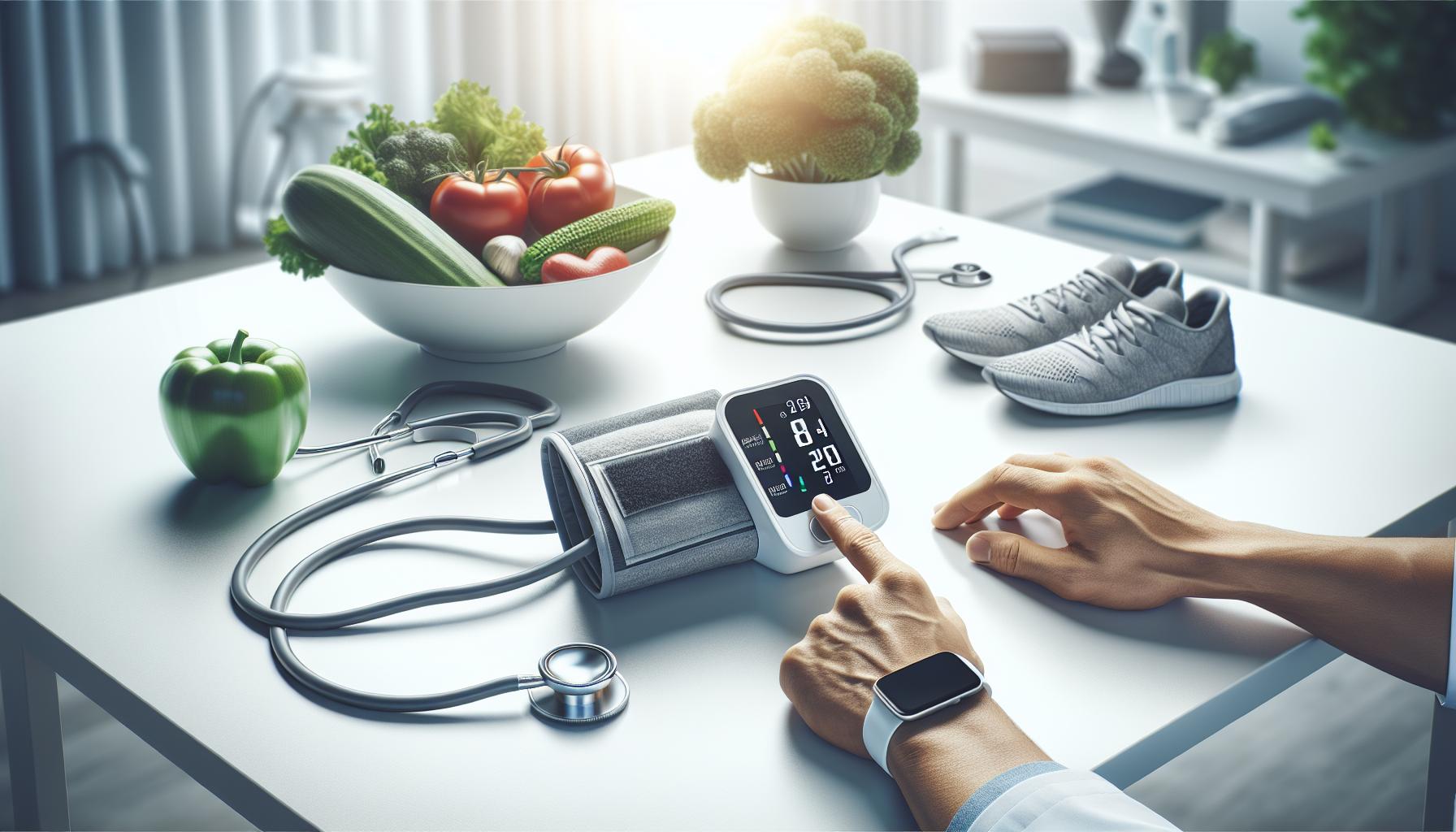
The Cost of Blood Pressure Cuffs with Medicare
The financial aspect of managing your health with blood pressure cuffs through Medicare is an essential consideration for many beneficiaries. Understanding how costs are structured can help you plan effectively and ensure that you can monitor your blood pressure without unnecessary financial stress. Typically categorized under Durable Medical Equipment (DME), coverage for blood pressure cuffs generally falls under Medicare Part B, which provides outpatient services and equipment deemed medically necessary.
For eligible Medicare recipients, the costs associated with obtaining a blood pressure cuff can include several components. First, if your healthcare provider prescribes the device and it meets Medicare criteria, you may have to pay a portion of the cost out-of-pocket, such as a copayment or coinsurance. Medicare generally covers 80% of the approved amount for DME after you’ve met your annual deductible. The deductible for Medicare Part B, as of 2023, is $226; once you’ve paid that amount, you only need to cover the 20% coinsurance, making the device more affordable.
Factors Influencing Costs
Several additional factors may affect the overall cost of blood pressure cuffs:
- Type of Device: Automatic or manual blood pressure cuffs may have different pricing structures. Automatic models may be slightly more expensive but provide greater convenience for at-home monitoring.
- Supplier Agreements: The specific supplier or durable medical equipment vendor you choose can also influence your costs. Medicare has set pricing guidelines that suppliers must adhere to, but prices can vary based on contracts and local market conditions.
- Location: Depending on your geographic location, local providers might charge different prices based on demand and availability.
It’s also important to consider the potential for ongoing costs associated with the use of a blood pressure cuff, such as replacement supplies like batteries or calibration services. Regular maintenance can ensure accuracy and reliability in monitoring your blood pressure, which is crucial for managing health conditions effectively.
In summary, while Medicare does provide substantial coverage for blood pressure cuffs, understanding your financial responsibility, including deductibles and coinsurance, will help you make informed decisions. Keeping track of your costs and communicating with your healthcare provider and supplier is essential to maximize the benefits available to you under your Medicare plan.
How to Obtain a Blood Pressure Cuff through Medicare
To effectively obtain a blood pressure cuff through Medicare, it’s crucial to follow a structured process that ensures compliance with the program’s requirements, allowing for a smoother experience. Understanding this process can empower you to manage your health proactively.
First, initiate the process by consulting your healthcare provider. They play a pivotal role in prescribing the blood pressure cuff, which must be deemed medically necessary for your specific health condition. During your appointment, discuss any symptoms or existing conditions that justify the need for ongoing blood pressure monitoring. If your provider agrees, they will write you a prescription. This documentation should clearly outline the medical necessity of the blood pressure cuff to facilitate coverage through Medicare.
After receiving a prescription, the next step is to choose a Medicare-approved supplier for durable medical equipment (DME). You can search for suppliers in your area through the official Medicare website, which provides a list of locations that meet Medicare’s standards. Selecting an approved supplier is essential, as Medicare will only cover costs from these providers. Additionally, you can compare pricing and equipment options to find a device that suits your preferences and needs.
Once you have selected a supplier, provide them with your prescription and any additional required information, including your Medicare details. The supplier will then process your request and may handle the paperwork for Medicare. It’s wise to verify with the supplier about any out-of-pocket costs you may incur, such as coinsurances or copayments, after your deductible is met. This proactive approach can aid in avoiding unexpected expenses.
Lastly, after securing your blood pressure cuff, don’t forget to familiarize yourself with its usage and maintenance. Proper training on the device’s operation from your healthcare provider or the supplier will enhance the accuracy of your measurements, contributing to better health management. Regular follow-ups with your healthcare provider to monitor the effectiveness of your blood pressure management plan will further support your health journey.
Navigating Medicare Part B: What You Need to Know
Navigating the complexities of Medicare Part B can feel overwhelming, particularly when it comes to understanding coverage for medical equipment like blood pressure cuffs. Medicare Part B primarily focuses on outpatient care and preventive services, offering coverage for durable medical equipment (DME) deemed medically necessary by your healthcare provider. As high blood pressure remains a common health concern, having access to a reliable blood pressure cuff at home can significantly enhance your ability to manage your health, enabling timely interventions and ongoing monitoring.
One of the most critical steps in navigating Medicare Part B is understanding the criteria for coverage. To qualify, the blood pressure cuff must be prescribed by a healthcare professional who determines it as necessary for your treatment plan. This prescription should specifically indicate that the device is essential for monitoring a chronic condition, such as hypertension. It’s also important to consider that Medicare may not cover certain advanced models unless justified by your medical history and the necessity outlined by your doctor.
When it comes to obtaining a blood pressure cuff, it’s essential to identify a Medicare-approved supplier for DME. Medicare maintains a list of suppliers that meet its requirements, ensuring you receive equipment that adheres to necessary standards. While the costs may vary, typically Medicare will cover 80% of the Medicare-approved amount after you meet your Part B deductible. Understanding the potential out-of-pocket expenses is vital, so discussing these details with your chosen supplier will prevent any financial surprises. You can also ask your healthcare provider for recommendations on suppliers that are familiar with the Medicare process and can assist in expediting your claim.
To safeguard your coverage, ensure you maintain thorough documentation of your prescription and any related medical records. Promptly addressing any requests for additional information from Medicare can help smooth the approval process. If coverage is denied for any reason, knowing how to appeal that decision is crucial; Medicare provides guidelines on disputes and supports beneficiaries during these processes. Remember, proactive engagement with your healthcare provider and supplier throughout this journey can significantly enhance your experience with Medicare Part B. By staying informed and prepared, you empower yourself to effectively manage your blood pressure and overall health with confidence.
Tips for Getting Your Blood Pressure Cuff Authorized
When it comes to getting a blood pressure cuff authorized through Medicare, preparation and communication are crucial. The right approach can significantly streamline the process, making it easier for you to manage your hypertension at home. Start by ensuring that you have a solid understanding of what is deemed medically necessary for your condition. Your healthcare provider should clearly outline the necessity of the blood pressure cuff in your treatment plan, which should be documented in your medical records.
To enhance your chances of getting authorization, consider these practical steps:
- Secure a Prescription: Obtain a detailed prescription from your doctor that specifies the need for a blood pressure monitor. This should include your diagnosis and why a cuff is essential for your ongoing management.
- Choose a Medicare-Approved Supplier: Research and select a supplier listed on Medicare’s approved list. This ensures the equipment meets the necessary standards for coverage.
- Documentation is Key: Keep copies of your prescription and any related medical records. Having these at hand will help if Medicare requests further information.
- Engage with Your Supplier: Communicate with the supplier to confirm that they understand Medicare’s requirements. They can guide you through the authorization process and ensure that your paperwork is complete.
- Submit Everything in One Go: When you are ready to submit your request, do so all at once. This reduces the chances of delays due to missing documentation.
If your request is denied, do not be discouraged. Understanding how to appeal the decision is essential. Familiarize yourself with the appeals process, as Medicare provides specific guidelines to help beneficiaries navigate disputes. Additionally, consider reaching out for support or advocacy through local organizations that assist with Medicare-related inquiries. By proactively managing the authorization process, you empower yourself not only to access the necessary medical equipment but also to improve your overall health management strategies.
Alternative Options: Medically Approved Devices Outside Medicare
Managing hypertension effectively often requires reliable tools for monitoring blood pressure. While Medicare covers certain blood pressure cuffs, you may also explore effective alternatives outside of the Medicare system. Many technologically advanced devices exist that can offer flexibility and suit various lifestyles while providing accurate and dependable readings.
Although Medicare-accepted blood pressure cuffs are typically prescribed by healthcare providers, there are a variety of medically approved alternatives available through pharmacies and medical supply stores. These include options like smart blood pressure monitors that sync with your smartphone, allowing for easy tracking of your readings over time. Some devices even enable users to set reminders for regular monitoring to improve adherence to their health regimen. By integrating technology into your health management, you can gain more control over your hypertension.
It’s important to consult with your healthcare provider before purchasing any alternative devices to ensure they meet the standards for effective blood pressure monitoring. When considering alternatives, look for devices that have been validated for accuracy and are recommended by health organizations. Many leading brands offer these devices, and they typically come with user-friendly features, such as large displays and voice guidance for those who may have difficulties reading small print or handling complex technology.
In addition to traditional home monitors, you may discover mobile apps that guide you in recording and analyzing your blood pressure readings. Some of these applications even connect directly to devices, providing instant feedback and educational resources tailored to your health needs. Engaging with these alternative tools not only empowers you to take charge of your health but can also support conversations with your healthcare provider about how best to manage your blood pressure effectively.
As you explore options, remember to factor in the cost, ease of use, and support available for the devices you consider. Keeping your blood pressure in check is essential for long-term wellness, and the right tools can help you achieve that goal consistently.
Common Misconceptions about Medicare and Blood Pressure Cuffs
Understanding the practicalities of Medicare coverage can be challenging, especially when it comes to items like blood pressure cuffs. Many individuals mistakenly believe that Medicare does not cover any medical equipment needed for managing hypertension or that there are excessive restrictions on what can be received. However, this is far from the truth. There are specific guidelines and protocols in place that allow eligible beneficiaries to access these critical monitoring tools.
One prevalent misconception is that Medicare Part B only covers blood pressure cuffs prescribed for in-clinic use. In reality, Medicare does cover home-use blood pressure cuffs, particularly when they are deemed medically necessary by a healthcare provider. This is essential for patients needing to manage their hypertension closely at home, allowing them to monitor their blood pressure regularly and share the data with their healthcare teams. It helps to proactively manage health conditions and reduces the risk of severe complications related to hypertension.
Another common myth is that all blood pressure cuffs are covered without any cost-sharing. While Medicare does offer coverage for these devices, beneficiaries may still face out-of-pocket costs depending on their specific plan and the provider chosen. Understanding the coverage details, including any deductibles and co-insurance requirements, is crucial for financial planning. It’s advisable for beneficiaries to consult directly with Medicare or a qualified insurance representative to clarify the specifics regarding their coverage, including any associated costs.
Misunderstandings also arise about who is eligible to receive these devices. Medicare coverage for blood pressure cuffs typically applies to beneficiaries diagnosed with conditions that require regular monitoring, such as hypertension or heart disease. It is vital for individuals facing these health issues to engage in discussions with their healthcare providers to explore their eligibility for coverage. Proper documentation and adherence to prescribed treatment plans significantly enhance the chances of obtaining necessary equipment without complications.
By overcoming these misconceptions, individuals can take informed steps toward maintaining their health. Utilizing Medicare benefits effectively ensures that the monitoring of blood pressure becomes a seamless part of their health management strategy, empowering them to stay proactive in their approach to wellness.
Maintaining Your Blood Pressure Cuff: Best Practices
Ensuring the longevity and accuracy of your blood pressure cuff is crucial for effective health management. With proper care and maintenance, your device can remain reliable, providing consistent readings that help track your hypertension effectively. Here are several best practices to follow for maintaining your blood pressure cuff:
Regular Cleaning
Keeping your blood pressure cuff clean is essential to prevent any buildup of dirt or bacteria. Use a damp cloth with mild soap to wipe the surface of the cuff and any associated electronic parts. Avoid submerging any electronic components in water, and always check the manufacturer’s instructions for specific cleaning recommendations.
Calibration and Accuracy Checks
To ensure accurate readings, regularly compare your cuff’s measurements with those taken at your doctor’s office or a medical professional’s office. If you notice significant discrepancies, it might be time to recalibrate the device or replace the batteries if it’s electronic. Calibration checks should be done every few months or as recommended by your healthcare provider.
Storage Conditions
Proper storage plays a vital role in the performance of your blood pressure cuff. Store the cuff in a dry place away from direct sunlight and extreme temperatures. Avoid folding or kinking the tubing to prevent damage, and consider using the original packaging for added protection.
Battery Maintenance
If your blood pressure cuff is battery-operated, keep track of the battery life to avoid unexpected interruptions during monitoring. Replace batteries as recommended by the manufacturer, using the specified type. If the cuff is rechargeable, ensure it is fully charged before use, and follow the instructions for charging.
By integrating these practices into your routine, you can optimize the functionality and reliability of your blood pressure monitor. This ensures that you can consistently monitor your blood pressure and work closely with your healthcare provider to manage your condition effectively.
Lifestyle Changes to Complement Blood Pressure Management
Managing blood pressure effectively requires more than just monitoring with a cuff; incorporating lifestyle changes can significantly enhance your overall health and help maintain optimal readings. Research shows that modifying certain daily habits can not only lower blood pressure but also prevent hypertension from developing or worsening, making it a vital aspect of health management.
One of the most impactful changes is adopting a heart-healthy diet. Focus on incorporating more fruits, vegetables, whole grains, and lean proteins. The DASH diet (Dietary Approaches to Stop Hypertension) is particularly beneficial, emphasizing foods rich in potassium, calcium, and magnesium, which help to lower blood pressure. Limit your intake of sodium, trans fats, and processed foods, as these can contribute to higher blood pressure levels.
Regular Physical Activity
Engaging in regular physical activity is critical for maintaining healthy blood pressure. Aim for at least 150 minutes of moderate aerobic exercise each week, which can include brisk walking, swimming, or cycling. Strength training at least two days a week can also be beneficial. Physical activity helps your heart work more efficiently and can lead to significant reductions in blood pressure readings over time.
Stress Management
Managing stress through techniques such as mindfulness, meditation, or yoga can also be essential. Chronic stress can cause spikes in blood pressure, so finding effective ways to cope is crucial. Set aside time each day for relaxation activities that calm your mind and body, contributing to overall well-being.
Adequate Sleep
Don’t underestimate the importance of a good night’s sleep. Poor sleep patterns have been linked to elevated blood pressure, so ensuring that you get 7-9 hours of quality sleep per night is key. Establishing a regular sleep schedule, creating a restful environment, and avoiding screens before bedtime can improve your sleep quality.
Integrating these lifestyle changes can empower you to take control of your hypertension management journey. Alongside monitoring your blood pressure regularly with a Medicare-covered cuff, these strategies provide a comprehensive approach to maintaining your health effectively.
Resources for Further Assistance with Medicare Coverage
Finding the right resources for guidance on Medicare coverage can be crucial in managing your health effectively, especially when it comes to equipment like blood pressure cuffs. Access to reliable information can enhance your understanding of what is covered and how to navigate the system. Here are several avenues to explore that can help you get started on your journey toward obtaining necessary medical equipment.
Medicare.gov
The official Medicare website is an essential resource, providing comprehensive information about all aspects of Medicare coverage, including what is covered under Medicare Part B. This site allows you to search for specific items like blood pressure cuffs, understand the eligibility requirements, and learn about costs associated with different plans. Regularly visiting Medicare.gov ensures you stay updated on any changes to coverage or policies.
Contacting Medicare Customer Service
For personalized assistance, contacting Medicare directly can be incredibly helpful. The Medicare helpline is available at 1-800-MEDICARE (1-800-633-4227) and offers assistance in understanding your rights and options regarding equipment and services. Their representatives can answer specific questions regarding eligibility and the process for getting a blood pressure cuff covered.
Consulting Your Healthcare Provider
Another valuable resource is your healthcare provider or specialist. They can offer insights into which types of blood pressure cuffs are covered under your exact plan and help you secure a prescription if necessary. This collaboration ensures that you’re getting the best possible care tailored to your health needs while also navigating Medicare’s requirements efficiently.
Local Medicare Offices and Advocacy Groups
Visiting local Medicare offices can provide face-to-face support and detailed information tailored to your situation. Additionally, consider reaching out to local or national advocacy organizations that specialize in assisting individuals with Medicare-related issues. These groups often have materials, programs, and experts that can guide you through the process of obtaining medical devices and understanding insurance benefits related to hypertension management.
Engaging with these resources not only equips you with practical knowledge but also helps build confidence in managing your health effectively. With the right information and support, you can ensure that you have the tools necessary to monitor your blood pressure regularly and make informed lifestyle choices.
Frequently asked questions
Q: What types of blood pressure cuffs does Medicare cover?
A: Medicare typically covers automatic blood pressure monitors that are deemed medically necessary. This includes digital home monitors, which are often prescribed for patients managing conditions like hypertension. For detailed types, refer to the “Types of Blood Pressure Cuffs Covered by Medicare” section of the guide.
Q: How can I file a Medicare claim for blood pressure cuffs?
A: To file a claim for a blood pressure cuff, contact your healthcare provider to ensure they submit the claim to Medicare on your behalf. If you purchase it separately, you may need to complete a Medicare claim form and submit it with your receipt. Check the “How to Obtain a Blood Pressure Cuff through Medicare” section for more steps.
Q: Are there prerequisites for getting a blood pressure cuff covered by Medicare?
A: Yes, Medicare requires a prescription from a healthcare provider stating that the blood pressure cuff is medically necessary. This is crucial for approval under Medicare Part B. For specific eligibility criteria, see the “Eligibility Criteria for Medicare Coverage” section.
Q: What should I do if my blood pressure cuff is denied coverage by Medicare?
A: If your claim for a blood pressure cuff is denied, you can file an appeal with Medicare. Review the denial letter for specific reasons and gather any necessary documentation from your healthcare provider to support your case. More details can be found in the “Tips for Getting Your Blood Pressure Cuff Authorized” section.
Q: Does Medicare cover ongoing maintenance or replacement for blood pressure cuffs?
A: Medicare generally does not cover routine maintenance for blood pressure cuffs but may cover replacement if the device is malfunctioning and deemed medically necessary by a healthcare provider. This information is further explored in the “Maintaining Your Blood Pressure Cuff: Best Practices” section.
Q: Can I use my health savings account (HSA) to pay for a blood pressure cuff?
A: Yes, you can typically use HSA funds for blood pressure cuffs, as they are considered qualified medical expenses. Always check your HSA provider’s guidelines to ensure compliance.
Q: Where can I get a prescription for a blood pressure cuff?
A: To obtain a prescription, consult with your primary care physician or a specialist who can evaluate your condition and determine the need for a blood pressure cuff. For a thorough understanding of navigating this process, check the “Navigating Medicare Part B” section.
Q: What lifestyle changes complement the use of a blood pressure cuff?
A: Incorporating regular exercise, a balanced diet low in sodium, and stress management techniques can significantly enhance blood pressure management alongside regular cuff monitoring. Discover more in the “Lifestyle Changes to Complement Blood Pressure Management” section.
Wrapping Up
Now that you understand whether Medicare covers blood pressure cuffs, it’s crucial to empower your health management proactively. Remember, monitoring your blood pressure at home can significantly impact managing your overall well-being, especially if you have chronic conditions. If you have further questions about your Medicare options, consider exploring more on how to get started with Medicare or checking out our detailed guide on Medicare coverage for durable medical equipment.
Take action now: visit your Medicare account to review your coverage details, and don’t hesitate to reach out to a healthcare professional for personalized advice. Feeling confident about your health is just a few clicks away! Join our community by signing up for our newsletter for the latest insights, tips, and tools to optimize your Medicare experience. Your journey to better health starts today-let’s keep the conversation going!


