


Did you know that a blood pressure reading of 138 mm Hg can put you in a gray area where monitoring becomes essential? This level, often seen as borderline, can signal the beginning of potential health issues related to hypertension. Understanding what this reading means for your health is crucial, especially given the long-term implications of elevated blood pressure.
Many individuals worry about the consequences of their blood pressure numbers and how they can impact overall health. Learning how to interpret readings like 138/85 mm Hg will empower you to take charge of your health. In this article, we will break down what a borderline reading entails, its significance, and necessary steps for effective management. Continue reading to equip yourself with valuable insights that could help safeguard your health today and in the future.
Understanding Blood Pressure Readings: What They Mean
Understanding blood pressure readings is crucial for maintaining overall health, as these measurements can indicate the balance of force exerted by circulating blood on the walls of blood vessels. Regular monitoring can reveal changes that may signal potential health issues, allowing for early intervention. Blood pressure is represented by two numbers: the systolic (the first, higher number) measures the pressure in your arteries when your heart beats, while the diastolic (the second, lower number) shows the pressure when your heart is resting between beats.
A blood pressure reading of 138/?? (with the diastolic number missing) often falls into the category known as “stage 1 hypertension” according to the American College of Cardiology/American Heart Association guidelines. While not categorized as severely high, it does indicate that action might be needed to manage your health effectively. Being aware of your readings is essential because even borderline hypertension can increase the risk of cardiovascular diseases over time. In fact, many individuals with a reading of 138 may not experience symptoms, yet it’s a signal that warrants attention and proactive management.
When interpreting these numbers, it’s essential to consider factors like age, lifestyle habits, and family history. For instance, incorporating regular physical activity, maintaining a balanced diet, and managing stress levels can greatly influence your blood pressure positively. Engaging in heart-healthy practices not only helps lower elevated readings but can also empower individuals to take control of their health. By understanding what these readings mean, you can make informed decisions about your health and wellness, seeking guidance from healthcare professionals when necessary.
In summary, recognizing the implications of blood pressure readings, such as a 138, plays a significant role in health management. Regular monitoring and proactive lifestyle changes can foster better health outcomes and reduce the risk of complications associated with high blood pressure. Encouraging a dialogue with healthcare providers about monitoring practices and potential interventions can further enhance this journey towards optimal health.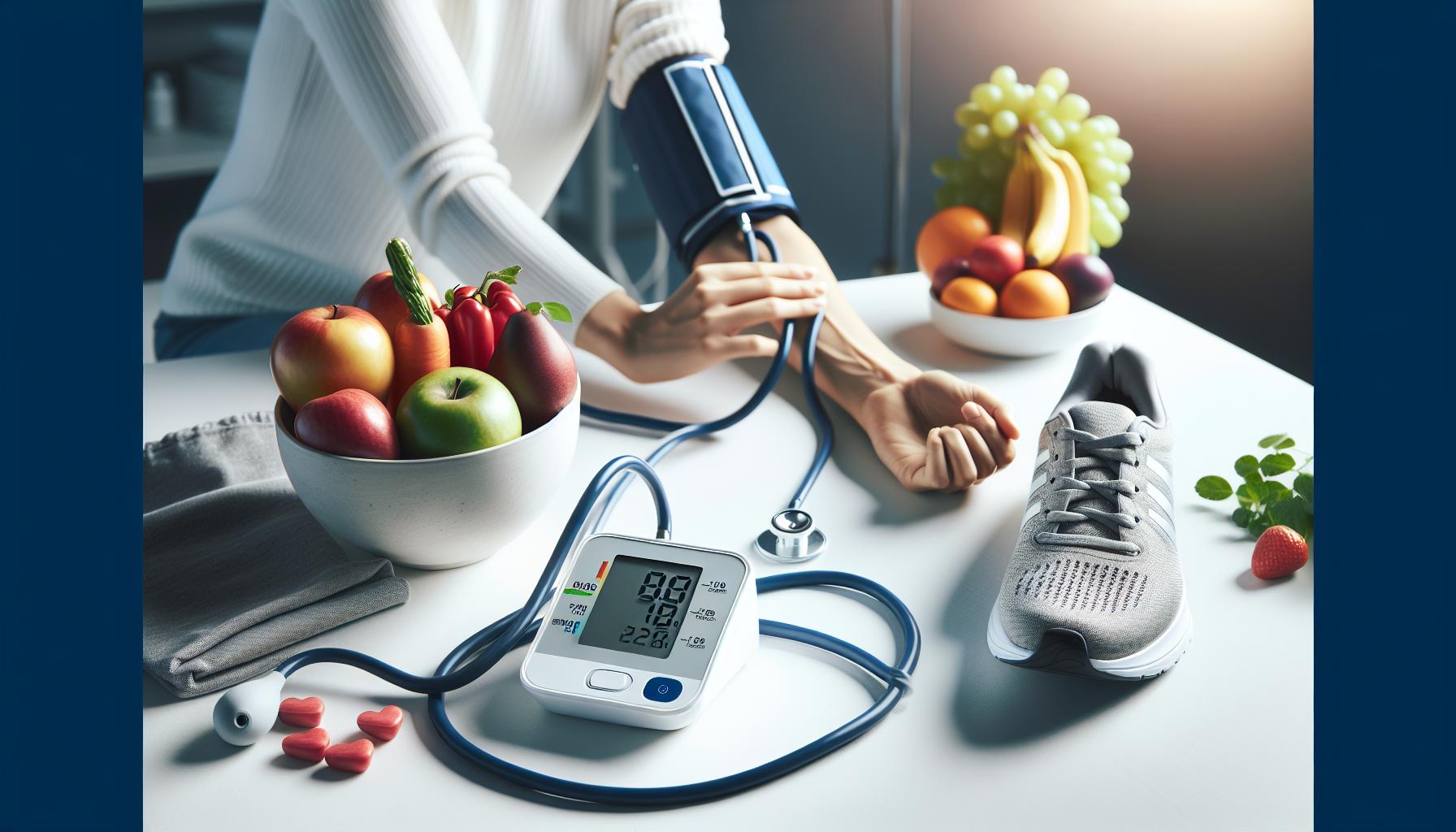
Is 138 Blood Pressure Considered High?
While many people may assume that a blood pressure reading of 138 indicates a health crisis, it actually reflects a more nuanced situation. This reading typically falls within the range classified as stage 1 hypertension, according to the American College of Cardiology/American Heart Association guidelines. Although it is not considered severely high, this indicates a slight elevation that deserves attention, particularly because it can lead to increased risks of developing cardiovascular diseases over time if left unmanaged.
For many, a reading of 138 may not present any noticeable symptoms, which often leads to complacency. However, understanding the implications of this reading is crucial. It serves as a reminder that consistent, proactive management of health is vital. Individuals with this reading should consider initiating or enhancing lifestyle changes aimed at lowering blood pressure. Effective strategies can include adopting a balanced diet rich in fruits, vegetables, and whole grains, and limiting sodium intake. Regular physical activity-aiming for at least 150 minutes of moderate exercise per week-can also significantly contribute to blood pressure reduction.
Monitoring blood pressure at home using an automatic cuff can empower individuals to take control of their health. Keeping a journal of readings can help identify trends and patterns, facilitating better conversations with healthcare providers. If readings consistently hover around this level or increase, it’s advisable to seek professional guidance to explore possible underlying issues or consider interventions tailored to individual health needs. Being proactive about managing a blood pressure measurement of 138 can not only enhance quality of life but also significantly reduce future health risks.
Borderline Hypertension: Risk Factors and Implications
A reading of 138 mmHg for systolic blood pressure can often feel unsettling, but it’s important to recognize that this measurement places you in the realm of borderline hypertension. This means you’re not in a critical zone, yet it’s vital to pay attention. Borderline hypertension can be viewed as a signal, a prompt for potential lifestyle adjustments or medical consultations before it progresses into more serious conditions. Understanding what contributes to this reading-and the implications it carries-is essential for effective management.
Several risk factors can flare up elevated blood pressure readings, even when they are not classified as dangerously high. These include obesity, sedentary lifestyle, high sodium intake, smoking, stress, and a family history of hypertension. For instance, individuals who consume diets rich in processed foods or who fail to engage in regular physical activity may find their readings creeping upwards. Moreover, excessive alcohol consumption and even certain medications can influence your blood pressure. Being aware of these factors empowers individuals to take proactive measures to mitigate their risk.
Monitoring your blood pressure regularly is crucial for those in this borderline category. By doing so, you can better understand your body’s response to lifestyle changes. Keeping a log of daily measurements not only provides data for your healthcare provider but also helps you pinpoint patterns and triggers-be it stress from work or dietary slips. Furthermore, creating a supportive environment for lifestyle changes can make a significant difference. Joining community exercise groups, taking cooking classes focused on healthy meals, or even utilizing apps that promote mindfulness can be beneficial strategies to combat borderline hypertension.
Addressing borderline hypertension with a multifaceted approach enhances not only your blood pressure but overall health. In addition to lifestyle modifications-like reducing salt intake, eating more potassium-rich foods, and engaging in regular cardiovascular exercise-you can incorporate stress management techniques such as yoga or meditation. These practices can bolster your commitment to a healthier lifestyle and potentially reverse borderline hypertension. Ultimately, your proactive engagement is a powerful tool for safeguarding your heart health and improving your quality of life.
Interpreting Systolic vs. Diastolic Readings
Understanding your blood pressure readings is essential for managing your heart health effectively. Blood pressure is expressed in two numbers: systolic and diastolic. The systolic reading, which is the first number, represents the pressure in your arteries when your heart beats. Conversely, the diastolic reading, the second number, indicates the pressure when your heart rests between beats. Both readings serve crucial roles in evaluating cardiovascular health.
A reading of 138 mmHg reflects the systolic measurement, placing individuals in the borderline hypertension category. It’s important to note that while this systolic reading is a focal point, the diastolic number is equally significant. For instance, a reading of 138/88 mmHg means the systolic pressure is elevated, but the diastolic is still considered normal. This type of reading can indicate different health implications compared to a scenario where both measurements are elevated.
To help interpret these readings, consider the following:
- Systolic Pressure: Higher systolic values can indicate a greater risk of heart-related issues, especially in older adults, where arteries tend to become stiffer.
- Diastolic Pressure: While a rising diastolic pressure can also signal concern, it’s critical to analyze it in conjunction with the systolic value to determine overall cardiovascular risk.
Understanding the balance between these two readings allows individuals to clarify their health status. For example, if the diastolic reading is significantly lower than normal while the systolic is high, it could suggest an underlining health condition or lifestyle factor that warrants further investigation. Keeping track of both numbers and discussing them with healthcare providers is vital. This holistic view can help guide decisions regarding dietary changes, exercise routines, or potential medical interventions related to borderline hypertension.
Monitoring Your Blood Pressure at Home
is not just a convenience; it’s a vital component of managing your overall heart health, especially if you’re dealing with readings categorized as borderline hypertension. Taking control of your health begins with understanding how to accurately measure your blood pressure, allowing you to track changes over time and make informed decisions about your lifestyle and treatments.
To achieve accurate readings, start by selecting a reliable blood pressure monitor. Automatic digital monitors are user-friendly and provide quick results. It’s crucial to measure your blood pressure at the same time each day, ideally in the morning before medications and in the evening before bed, ensuring you take at least two readings, one minute apart, to capture a consistent average. Make sure you are in a calm, seated position with your back supported, feet flat on the floor, and your arm at heart level. This positioning helps ensure that your readings reflect your true blood pressure levels instead of temporary fluctuations caused by posture or stress.
- Stay Consistent: Take your readings at the same times daily to identify trends and variations.
- Record Your Results: Keep a detailed log of your readings, noting the time of day, any recent activities, and how you were feeling. This information can be invaluable for discussions with your healthcare provider.
- Consult Resources: Don’t hesitate to leverage educational materials and tools, such as blood pressure logs provided by trusted organizations like the American Heart Association, to support your self-monitoring efforts.
Incorporating these practices not only demystifies your daily readings but also promotes proactive engagement in your health management. Keeping an eye on your blood pressure trends can help you make necessary lifestyle changes, such as adjusting your diet and increasing physical activity, and facilitate informed discussions with your healthcare professional regarding potential modifications in treatment plans. The more informed you are, the more empowered you’ll feel to manage your cardiovascular health effectively.
Lifestyle Changes to Manage Blood Pressure
Making small, sustainable lifestyle changes can be profoundly impactful in managing borderline blood pressure readings, such as 138, and promoting overall heart health. Regular physical activity is one of the most effective strategies. Engaging in at least 150 minutes of moderate aerobic exercise each week, like brisk walking or cycling, can help lower blood pressure and improve heart function. Not only does exercise strengthen the heart, but it also aids in weight management, further reducing strain on the cardiovascular system.
Diet plays a crucial role in blood pressure regulation as well. The DASH (Dietary Approaches to Stop Hypertension) diet is often recommended for those facing elevated readings. This eating plan emphasizes fruits, vegetables, whole grains, and lean proteins while minimizing sodium intake. Aim to consume no more than 2,300 mg of sodium daily, and ideally limit it to 1,500 mg if possible. Reducing processed foods and incorporating potassium-rich options, such as bananas, sweet potatoes, and leafy greens, can help maintain healthy blood pressure levels.
Beyond diet and exercise, managing stress is essential for maintaining optimal blood pressure. Techniques such as mindfulness, meditation, or yoga can cultivate a more relaxed state, reducing the impact of everyday stressors. Prioritizing adequate sleep is equally important; aim for 7-9 hours per night to support overall health and blood pressure management.
Another effective approach is to monitor your alcohol intake. Limiting drinks to no more than one per day for women and two for men can positively affect blood pressure levels. Additionally, unwanted habits like smoking should be avoided as they can raise blood pressure and lead to numerous health complications.
Ultimately, by integrating these lifestyle changes-regular exercise, a balanced diet, stress management techniques, moderated alcohol consumption, and smoking cessation-you empower yourself to take control of your blood pressure readings and enhance your overall cardiovascular health. These changes not only improve physical well-being but can also be a source of emotional satisfaction and fulfillment as you see tangible progress in your health journey.
When to Consult a Healthcare Professional
Understanding when to reach out to a healthcare professional about your blood pressure can be crucial for your long-term health. Blood pressure readings of 138 mmHg can fall into the category of borderline hypertension, which can be a sign that lifestyle changes are needed to prevent further health issues. It’s important to be proactive in monitoring these readings and recognizing when they may warrant professional advice.
If your blood pressure consistently exceeds 130/80 mmHg, it may be time to consult with a healthcare professional. This is particularly important if you experience symptoms such as headaches, dizziness, or chest pain. Even if you feel perfectly fine, elevated readings over time can lead to significant health risks, including heart disease and stroke. Regular check-ups can help identify underlying issues, assess your cardiovascular risk, and determine the best management plan tailored to your individual needs.
Monitoring your blood pressure at home can help you track changes and notice patterns. Keep a record of your readings and any symptoms you may have. Bringing this information to your healthcare provider can facilitate a more comprehensive evaluation. Additionally, if you are already on medication but still notice elevated readings, it’s vital to discuss this with your doctor. Adjusting dosages or trying different medications may be necessary to achieve optimal control.
It’s also essential to acknowledge personal health factors that might require earlier consultations, such as a family history of hypertension or heart disease, or existing conditions like diabetes. Staying vigilant about blood pressure management empowers you to take charge of your health, making conversations with your healthcare provider not just beneficial but also a critical component of your wellness journey. Remember, managing your health is a partnership, and open communication with your healthcare team can lead to better outcomes.
Recommended Strategies for Blood Pressure Management
Monitoring your blood pressure is not just about keeping a number in check; it’s a crucial aspect of maintaining heart health and overall well-being, especially when readings fall into the borderline range. A blood pressure reading of 138 mmHg can serve as a wake-up call, urging you to adopt practical strategies to manage your levels effectively. Implementing lifestyle changes and consistent monitoring can empower you to take charge of your health while significantly reducing risks associated with hypertension.
Make Dietary Adjustments
One of the most impactful changes you can make is to revamp your diet. The DASH (Dietary Approaches to Stop Hypertension) diet, rich in fruits, vegetables, whole grains, and low-fat dairy, has been shown to lower blood pressure. Consider the following guidelines:
- Reduce sodium intake: Aim for less than 2,300 mg of sodium per day, or ideally, 1,500 mg for optimal results.
- Increase potassium-rich foods: Foods like bananas, potatoes, and spinach can help counterbalance sodium’s effects.
- Limit processed foods: These often contain high levels of sodium and unhealthy fats.
Incorporate Regular Physical Activity
Exercise is a significant ally in managing blood pressure. Aim for at least 150 minutes of moderate aerobic activity each week, such as brisk walking or cycling. Here’s how to get started:
- Set achievable goals: Begin with short sessions and gradually increase duration and intensity.
- Mix it up: Combine different types of activities to stay engaged and motivated.
- Find a buddy: Exercising with a friend can make workouts more enjoyable and hold you accountable.
Prioritize Stress Management
Chronic stress can significantly impact your blood pressure. Engaging in stress-reducing techniques can help keep your readings in check. Strategies to consider:
- Practice mindfulness or meditation: Even a few minutes daily can lower stress levels.
- Engage in deep-breathing exercises: These can be done anywhere and take just a few moments to implement.
- Establish a relaxing bedtime routine: This can improve sleep quality and lower stress overall.
Implementing these strategies can be life-changing. Regularly monitoring your blood pressure at home allows you to track your progress and make informed decisions about your health. Document your readings and any accompanying symptoms to share with your healthcare provider during check-ups. By taking an active role in your health management, you not only lower the risks associated with high blood pressure but also foster a stronger, healthier you.
The Role of Medication in Blood Pressure Control
Managing blood pressure isn’t just about watching the numbers-sometimes, medication becomes a crucial part of the strategy. When readings like 138 mmHg indicate borderline hypertension, medication can help you maintain heart health while supporting lifestyle changes. Properly used, blood pressure medications can significantly lower your risk of complications associated with high blood pressure, such as heart attacks and strokes.
There are several classes of medications designed to lower blood pressure, and your healthcare provider will help determine which one is most appropriate for your situation. Common types include diuretics, which help the body eliminate excess sodium and water; ACE inhibitors, which relax blood vessels; and calcium channel blockers, which prevent calcium from entering heart and blood vessel cells, thus lowering blood pressure. Each class works differently, and your provider may need to try different options to find what works best for you.
It’s essential to take medications as prescribed and keep open communication with your healthcare provider. This includes reporting any side effects or concerns, as these can lead to adjustments for better results. For instance, if you experience dizziness or fatigue, your doctor may fine-tune your dosage or even switch medications. Don’t hesitate to ask questions about your treatment plan; understanding how each medication helps can enhance your commitment to your health journey.
In conjunction with lifestyle changes, medications can provide a comprehensive approach to managing borderline hypertension. Regular monitoring at home will not only help you keep track of your progress but also empower you to manage your condition actively. By combining medication with practical steps-dietary adjustments, exercise, and stress reduction-you’ll set yourself on a path toward healthier blood pressure levels and improved overall well-being.
Common Misconceptions About Blood Pressure
Many people contemplate the implications of a blood pressure reading like 138 mmHg and often carry misconceptions that can lead to unnecessary worry. One common belief is that any reading above 120/80 mmHg is inherently dangerous. While it’s true that consistent readings in the elevated range can signal potential health issues, a single measurement like 138 is not a definitive indication of health problems. In fact, readings fluctuate throughout the day based on various factors including physical activity, emotional state, and even hydration levels.
Another prevalent misconception revolves around the idea that only individuals who are overweight or inactive experience high blood pressure. This is not accurate; blood pressure can be influenced by genetics, stress, diet, and age among other factors. For example, even fit individuals can encounter spikes due to high-stress situations or a temporary dietary change. Therefore, it’s crucial to realize that blood pressure management is a multifaceted endeavor
Understanding Blood Pressure Categories
To clarify the various classifications of blood pressure, consider the following table:
| Category | Systolic (mm Hg) | Diastolic (mm Hg) |
|---|---|---|
| Normal | Less than 120 | And less than 80 |
| Elevated | 120-129 | Less than 80 |
| Hypertension Stage 1 | 130-139 | 80-89 |
| Hypertension Stage 2 | 140 or higher | 90 or higher |
| Hypertensive Crisis | Higher than 180 | And/or higher than 120 |
In this context, a reading of 138 mmHg falls into the Hypertension Stage 1 category, prompting the need for lifestyle adjustments but not necessarily immediate medical intervention. This reinforces the importance of understanding your unique health profile. Regular monitoring and discussions with a healthcare professional can help dispel fears and keep you informed.
Lastly, many individuals incorrectly assume that once you have high blood pressure, it’s a permanent condition requiring lifelong medication. While some may need medication for long-term control, many others can manage or even reverse elevated readings through lifestyle changes such as improved diet, regular exercise, and stress management techniques. These adjustments not only benefit blood pressure but also enhance overall well-being, illustrating the proactive approach you can take towards your health.
Heart Health and Its Connection to Blood Pressure
Maintaining a healthy heart is integral to managing blood pressure effectively. In fact, the connection between heart health and blood pressure can’t be overstated; your heart works tirelessly to pump blood throughout your body, and elevated blood pressure can overstrain it. When considering a reading of 138 mmHg, it’s essential to recognize that this indicates Hypertension Stage 1, which can potentially lead to more serious cardiovascular issues if not addressed. Therefore, understanding the factors influencing this relationship is crucial for long-term health.
To support heart health and manage blood pressure, incorporating lifestyle modifications is paramount. Regular cardiovascular exercise, such as brisk walking, swimming, or cycling, strengthens the heart muscle and improves blood flow, which can help lower blood pressure. Aim for at least 150 minutes of moderate exercise each week. Additionally, a heart-healthy diet rich in fruits, vegetables, whole grains, and lean proteins can have a profound impact. For example, the DASH (Dietary Approaches to Stop Hypertension) diet emphasizes these components and has been shown to reduce blood pressure levels effectively.
Moreover, managing stress is critical for both heart health and blood pressure control. High stress can lead to temporary spikes in blood pressure, making relaxation techniques such as deep breathing, yoga, or meditation beneficial. These practices not only help lower immediate stress levels but can also contribute to a healthier heart over time.
Incorporating routine health check-ups is encouraged for monitoring blood pressure, especially when dealing with readings in the hypertension range. Regular visits allow for personalized advice and timely adjustments in lifestyle or medication as needed. By combining healthy habits with proactive health management, individuals can take control of their heart health and blood pressure, paving the way for a healthier future.
Preventative Measures for High Blood Pressure
Maintaining stable blood pressure is crucial for overall health, especially when navigating the nuances of borderline hypertension like a reading of 138 mmHg. Engaging in proactive preventative measures can significantly lower the risk of developing hypertension-related complications. By focusing on lifestyle choices, regular monitoring, and a supportive environment, individuals can effectively manage their blood pressure.
Healthy Eating Habits
Nutrition plays a fundamental role in blood pressure management. Adopting a diet low in sodium and high in essential nutrients can help reduce blood pressure levels. Consider the following strategies:
- DASH diet: Emphasize fruits, vegetables, whole grains, and lean proteins while minimizing saturated fats and sugars. This eating pattern has demonstrated efficacy in lowering blood pressure.
- Sodium reduction: Aim to limit sodium intake to less than 2,300 mg per day. For individuals with high blood pressure, even lower levels (1,500 mg) are often recommended.
- Potassium-rich foods: Incorporate potassium sources such as bananas, sweet potatoes, and spinach, as they help counteract sodium’s effects and support healthy blood pressure.
Regular Physical Activity
Engaging in regular physical activity is another cornerstone of blood pressure management. Not only does exercise improve cardiovascular health, but it also enhances overall well-being. Strive for at least 150 minutes of moderate aerobic activity each week, including options like:
- Brisk walking or cycling: Simple, accessible forms of exercise that can easily be incorporated into daily routines.
- Strength training: Include resistance exercises at least twice a week to build muscle and enhance metabolic health.
- Flexibility and balance exercises: Practices such as yoga or tai chi can help reduce stress and improve overall physical function.
Stress Management
Chronic stress can contribute to elevated blood pressure, making effective stress management techniques essential. Strategies such as mindfulness meditation, deep breathing exercises, and engaging in hobbies can help mitigate stress levels. Setting aside time for relaxation and social connection can further enhance emotional well-being and support heart health.
Routine Monitoring
Taking a proactive approach to monitoring blood pressure empowers individuals to understand their health better. Consider these essential practices:
- Home monitoring: Invest in a reliable blood pressure monitor to track readings regularly. This helps in recognizing patterns and making timely adjustments.
- Keep a log: Document your readings, along with any lifestyle changes, to examine what strategies are most effective in managing your blood pressure.
- Regular healthcare visits: Maintain routine check-ups with your healthcare provider to evaluate your progress, discuss any concerns, and adjust your management plan as necessary.
Through committed lifestyle choices, consistent monitoring, and proactive management strategies, individuals can effectively prevent high blood pressure and maintain a healthier heart. Empower yourself with knowledge and take actionable steps towards achieving optimal health.
Q&A
Q: What does a blood pressure reading of 138 indicate?
A: A blood pressure reading of 138 is categorized as elevated or borderline high. This means it’s not in the normal range but does not fully meet the criteria for hypertension. Monitoring and lifestyle changes are recommended to manage your blood pressure effectively.
Q: How can I lower my blood pressure from 138?
A: To lower your blood pressure from 138, consider adopting a heart-healthy diet, reducing salt intake, engaging in regular physical activity, maintaining a healthy weight, and managing stress. These lifestyle changes can significantly improve your blood pressure readings over time.
Q: Is 138/80 considered high blood pressure?
A: A reading of 138/80 is classified as stage 1 hypertension based on the systolic measurement of 138. While the diastolic (80) is normal, the elevated systolic value suggests increased risk for heart issues, warranting regular monitoring and possible lifestyle adjustments.
Q: What are the risks of having a blood pressure reading of 138?
A: The risks associated with a blood pressure reading of 138 include increased chances of heart disease, stroke, and kidney damage over time. It’s essential to monitor readings and consult with a healthcare professional for personalized strategies to mitigate these risks.
Q: When should I worry about a blood pressure of 138?
A: You should be concerned about a blood pressure of 138 if it persists or increases, especially if accompanied by symptoms like headaches, chest pain, or shortness of breath. Consistent high readings warrant a consultation with a healthcare professional.
Q: What symptoms are associated with borderline high blood pressure?
A: Borderline high blood pressure, like a reading of 138, often doesn’t show symptoms. However, some individuals may experience headaches, dizziness, or nosebleeds. Regular monitoring is key to managing potential risks even in the absence of symptoms.
Q: Can anxiety affect blood pressure readings like 138?
A: Yes, anxiety can temporarily increase blood pressure readings, including values like 138. Stress triggers the release of adrenaline, which can raise heart rate and blood pressure. Managing stress through techniques like mindfulness or exercise is beneficial for overall heart health.
Q: What lifestyle changes can help manage borderline high blood pressure?
A: To manage borderline high blood pressure, engage in regular physical activity, maintain a balanced diet rich in fruits and vegetables, limit alcohol intake, stop smoking, and practice stress-reducing techniques. These changes can positively impact your blood pressure management journey.
The Way Forward
Understanding that a reading of 138 for blood pressure can be a borderline concern is the first step toward effective management. Regular monitoring and lifestyle adjustments are essential for maintaining healthy levels. If you’re still wondering about the implications of your reading, consider exploring our detailed guide on “Understanding Blood Pressure Readings” or our article on “Effective Lifestyle Changes for Heart Health.”
Don’t delay in taking action-consult a healthcare professional if you have ongoing concerns, and remember to check our resources for supportive tools that can help you track your progress. Engaging with your health starts today; subscribe to our newsletter for the latest tips and guidance directly to your inbox. Your health journey is important; let’s navigate it together. Share your thoughts below-your experience could inspire others towards better health!


