


Did you know that nearly half of American adults have high blood pressure, often without realizing it? Understanding whether a level of 148 is considered high is crucial for your health. High blood pressure, or hypertension, can lead to serious health complications over time, including heart disease and stroke.
If you’ve just checked your blood pressure and seen a reading of 148, you might be wondering what it means for your health. The importance of monitoring and managing your blood pressure can’t be overstated, as it directly affects your overall wellness. By learning when to take action, you can empower yourself to make informed decisions and adopt healthier habits that may lower your blood pressure.
Continue reading to discover the implications of a blood pressure reading of 148, what steps you should consider taking, and how you can better manage your health for a brighter, healthier future.
Is 148 High Blood Pressure? Understanding Normal vs. High Levels
Understanding whether a blood pressure reading of 148 is categorized as high can empower you to take charge of your health. Blood pressure is typically measured in millimeters of mercury (mm Hg) and is expressed with two numbers: systolic (the upper number) and diastolic (the lower number). The American Heart Association defines normal blood pressure as anything below 120/80 mm Hg. Readings from 130/80 mm Hg to 139/89 mm Hg fall into the category of elevated blood pressure, while a reading of 148 falls into the realm of hypertension, particularly where systolic pressure is concerned.
When assessing your blood pressure, it’s crucial to consider both the systolic and diastolic values. A systolic reading of 148 signifies that the force of blood against vessel walls is higher than optimal, which can lead to serious health risks over time. If your diastolic number is also elevated, your overall blood pressure level is a cause for concern. Regular monitoring is vital as hypertension often develops silently, without noticeable symptoms, yet it can lead to serious complications such as heart disease, stroke, or kidney damage if left untreated.
To actively manage your blood pressure, consider implementing lifestyle changes, including a balanced diet rich in fruits, vegetables, and whole grains, alongside regular physical activity. Additionally, reducing sodium intake and managing stress through mindfulness or relaxation techniques can significantly contribute to lowering your blood pressure. If you’re unsure or have questions about your readings, seeking consultation from a healthcare provider is imperative to determine the best course of action tailored to your specific health needs. Remember, knowledge and proactive management go hand in hand in maintaining optimal blood pressure levels.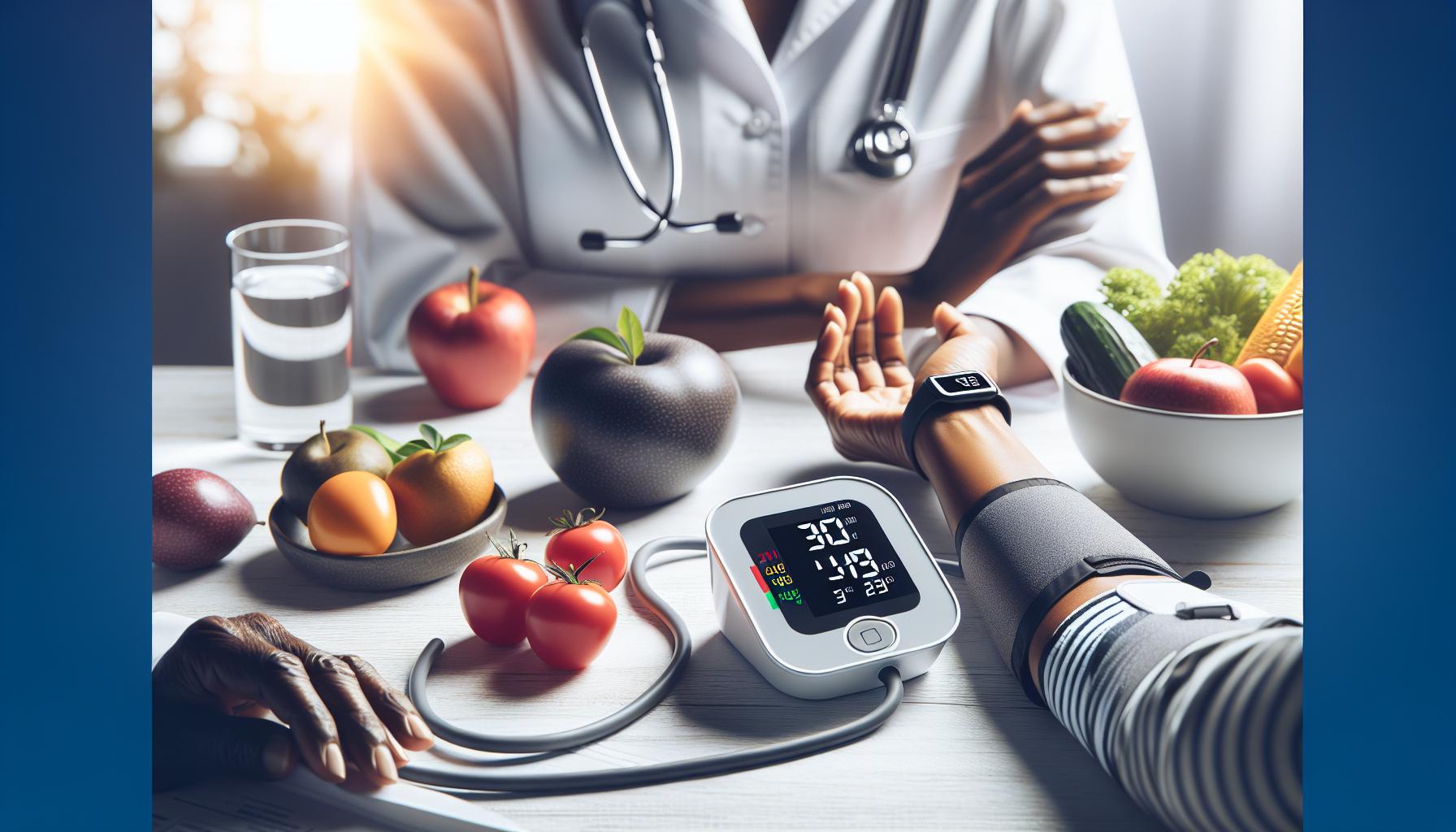
The Health Risks of Uncontrolled High Blood Pressure
Uncontrolled high blood pressure, particularly at levels like 148 mm Hg, can significantly increase the risk of serious health complications. It’s often termed the “silent killer” because many people may not experience noticeable symptoms until severe damage has occurred. High blood pressure can lead to a host of health issues, including heart disease, stroke, kidney damage, and even vision loss. Understanding these risks is crucial for taking proactive measures to protect your health.
One of the most immediate dangers of high blood pressure is its impact on the cardiovascular system. Elevated pressure can cause the heart to work harder, which may lead to heart enlargement, heart failure, or arrhythmias. Additionally, the increased pressure can damage blood vessels, making them more prone to blockages, which could result in heart attacks or strokes. According to the American Heart Association, consistent readings above 140/90 mm Hg raise the stakes for these serious health issues.
Moreover, high blood pressure can damage the kidneys, leading to chronic kidney disease or even kidney failure over time. In the kidneys, high pressure can damage the blood vessels and disrupt the organs’ ability to filter waste effectively. This can create a cycle where kidney damage further exacerbates high blood pressure, making management significantly more challenging.
For optimal health, it is essential to monitor and manage your blood pressure effectively. Here are some actionable steps you can take:
- Regular Monitoring: Check your blood pressure at home using a reliable blood pressure monitor. Keep a log of your readings to identify patterns and discuss them with your doctor.
- Consult Healthcare Providers: Schedule regular check-ups to have your blood pressure evaluated, especially if you notice consistently high readings.
- Immediate Action: If you experience severe headaches, shortness of breath, or chest pain, seek medical attention immediately, as these can be signs of a hypertensive crisis.
Being aware of these risks and taking preventive steps can empower you to make informed choices about your health and well-being. Adopting lifestyle changes, such as maintaining a heart-healthy diet and incorporating regular exercise, will not only help in managing your blood pressure but also lower the risks associated with uncontrolled hypertension. Remember, proactive health management is key to a longer and healthier life.
When to Consult a Doctor About Blood Pressure
Monitoring your blood pressure is crucial, especially when readings begin to cross into elevated ranges. Understanding when to consult a healthcare provider can empower you to take proactive steps towards better health. If your blood pressure registers at 148 mm Hg, it’s essential to recognize this as a signal that demands attention. All too often, individuals may ignore fluctuations in their blood pressure, assuming that feelings of wellness equate to good health, but the reality can be quite different.
Consult a doctor if you consistently see readings of 148/xx mm Hg or higher. Persistence in high readings may indicate that your blood pressure control needs to be managed. It’s not just about the number; it’s the potential health risks that come with prolonged elevated pressure. Make a note of the frequency of your readings, as this data will be valuable during your consultations. Additionally, symptoms such as headaches, dizziness, or visual disturbances should prompt immediate medical advice, as they may signal a hypertensive crisis requiring urgent care.
Regular check-ups should be part of your health management routine, particularly if you have a family history of hypertension or related conditions like heart disease. Your healthcare provider can offer personalized advice, potentially scheduling frequent assessments to keep track of your blood pressure. Keep an open line of communication with your doctor, discussing any lifestyle changes or medication you might be considering for better control.
Incorporating digital health tools, such as apps that log your blood pressure readings, can further enhance your ability to track and manage your health. These tools can also remind you when it’s time for a check-up or alert you if your readings are trending in a concerning direction. Empower yourself with knowledge, rely on your healthcare team, and take action when necessary; a proactive approach is key to maintaining heart health.
Simple Steps to Monitor Your Blood Pressure at Home
Monitoring your blood pressure at home is a vital step in managing your cardiovascular health, especially when you have readings approaching or exceeding 148 mm Hg. With the right tools and methods, you can confidently track your numbers and detect any concerning trends. Home monitoring not only empowers you to take control of your health but also enhances the information you can share with your healthcare provider.
To begin monitoring your blood pressure at home, start by investing in a reliable digital blood pressure monitor. These devices are widely available and easy to use, making them suitable for anyone. When you first use the monitor:
- Choose a comfortable, quiet environment where you can relax for at least five minutes. It’s crucial to measure your blood pressure at similar times each day to achieve consistent readings.
- Sit with your back supported and feet flat on the floor, avoiding any cross-legged positions.
- Position the cuff correctly on your upper arm, approximately one inch above your elbow. Ensure that the cuff is snug but not too tight, as this can affect the accuracy of the reading.
Once you have your device ready, it’s time to take your measurements:
Step-by-Step Measurement Process
- Press the start button on your monitor and stay still while it inflates and takes the reading.
- Record the results immediately, noting both the systolic (top number) and diastolic (bottom number) values along with the date and time.
- Take multiple readings, ideally two to three times, at least one minute apart, to ensure accuracy. This will help you capture a more reliable average.
After you have gathered your data, store it in a notebook or a digital format so that you can track your progress over time. This log can be invaluable when discussing your blood pressure trends with your healthcare provider.
Finally, consider employing technology as a support tool. Many blood pressure monitors come with apps that can sync your readings to your smartphone, making it easier to visualize your data and share it with your doctor. Keeping an open line of communication about your findings allows for better management and can facilitate discussions about necessary adjustments in your lifestyle or medication.
Regularly monitoring your blood pressure at home not only provides peace of mind but also plays a crucial role in proactive health management. Equip yourself with the knowledge and tools to make informed decisions, and don’t hesitate to reach out for professional guidance when needed. Your health journey is supported by simple, consistent actions that can lead to significant improvements.
Lifestyle Changes to Manage Blood Pressure Effectively
Making effective lifestyle changes can significantly influence your blood pressure levels, and adopting a holistic approach is essential. Studies show that even moderate alterations in habits can lead to substantial improvements in health markers. For instance, integrating a balanced diet, regular physical activity, and stress management techniques can create a powerful strategy for maintaining optimal blood pressure.
A well-rounded diet plays a crucial role in blood pressure management. Focus on incorporating whole foods rich in potassium, magnesium, and fiber, which help lower blood pressure. Consider the DASH (Dietary Approaches to Stop Hypertension) diet, which emphasizes fruits, vegetables, whole grains, and lean proteins while reducing sodium intake. Aim to limit processed foods and opt for fresh or frozen produce whenever possible. It’s also vital to stay hydrated and monitor your alcohol intake, as excessive drinking can elevate blood pressure.
Regular physical activity is another cornerstone of effective blood pressure management. Aim for at least 150 minutes of moderate aerobic exercise each week, such as brisk walking, swimming, or cycling. These activities can help strengthen your heart and improve its efficiency in pumping blood. Additionally, incorporating strength training exercises at least two days a week can further enhance cardiovascular health. Remember, even simple actions-like taking the stairs instead of the elevator or engaging in gardening-can help you stay active throughout the day.
Stress management is equally important in the battle against high blood pressure. Chronic stress can lead to unhealthy coping mechanisms, such as overeating or smoking, which negatively impacts your health. Implementing stress-reducing techniques such as mindfulness meditation, yoga, or deep-breathing exercises can help you again achieve balance. Consider dedicating a few minutes daily to relaxation practices, as even short sessions can bring significant relief.
Taking ownership of your health involves actively participating in your blood pressure management. By making informed lifestyle choices, you set the stage for lasting change. Not only do these practices improve your blood pressure readings, but they also contribute to your overall well-being, leading to a healthier, more vibrant life.
Medications That Help Control High Blood Pressure
High blood pressure, or hypertension, is a condition that affects millions of people worldwide and can lead to severe health complications if left untreated. For those with readings around 148 mmHg systolic, it’s essential to understand that while this number may not be categorized as dangerously high, it indicates the need for action to prevent escalation. Managing hypertension often necessitates a combination of lifestyle adjustments and, for many, medication may become a crucial part of their treatment plan.
Medications for controlling high blood pressure come in various classes, each with distinct mechanisms of action tailored to address different needs and health profiles. Here are some common types of antihypertensive drugs:
Common Medications
- Diuretics: Often referred to as “water pills,” these medications help your body eliminate excess sodium and water. This reduction in fluid lowers blood pressure by decreasing blood volume.
- ACE Inhibitors: Angiotensin-converting enzyme inhibitors help relax blood vessels by blocking the formation of a natural chemical that narrows blood vessels. This is particularly beneficial for individuals with diabetes or heart failure.
- ARBs (Angiotensin II Receptor Blockers): Similar to ACE inhibitors, ARBs block the action of a natural chemical that can raise blood pressure. They are often used if ACE inhibitors cause side effects such as a persistent cough.
- Calcium Channel Blockers: These medications prevent calcium from entering heart and blood vessel cells, causing the blood vessels to relax and lower blood pressure.
- Beta-Blockers: By blocking the effects of adrenaline, beta-blockers reduce heart rate and blood pressure, which can be useful in managing stress-related hypertension.
It’s crucial for anyone considering these medications to maintain an open dialogue with their healthcare provider. Adjustments in dosage and medication types might be necessary based on individual responses and potential side effects. Regular monitoring can help ensure that blood pressure remains within a healthy range.
In addition to medication, implementing lifestyle changes is vital for managing blood pressure effectively. This includes maintaining a heart-healthy diet, engaging in regular physical activity, and employing effective stress management techniques. Following these recommendations not only aids in controlling blood pressure but also contributes to overall wellness. Prioritize your health by being proactive and knowledgeable about your treatment options, empowering yourself to take steps toward a healthier future.
Understanding Blood Pressure Readings: What They Mean
Monitoring your blood pressure is crucial for understanding your heart health and overall well-being. Blood pressure readings consist of two numbers-systolic (the top number) and diastolic (the bottom number)-which together indicate how much pressure your blood is exerting against the walls of your arteries. Recognizing what these numbers mean can empower you to take timely action if your readings, like 148 mmHg systolic, suggest high blood pressure.
According to the American Heart Association, normal blood pressure is defined as below 120/80 mmHg. A systolic reading of 140 mmHg or higher usually falls into the hypertension range, while readings between 120-139 mmHg are classified as elevated or prehypertension. Thus, a reading of 148 mmHg means you are experiencing stage 1 hypertension, signaling a need for immediate lifestyle changes and possibly medical intervention. Understanding where your readings stand can provide valuable insight into your cardiovascular health and motivate you to seek proactive measures.
For those actively monitoring their blood pressure, developing a routine with accurate measurement techniques is vital. Using a reliable blood pressure monitor at home can help track your numbers over time. Ensure you’re seated comfortably, avoid caffeine and exercise before taking a reading, and measure at the same time daily to capture consistency. Keeping a log of your readings can reveal patterns that might indicate the need to consult a healthcare professional or adjust your approach to management.
Incorporating healthy lifestyle choices is equally important in maintaining or reducing blood pressure levels. This includes engaging in regular physical activity, opting for a balanced diet rich in fruits, vegetables, and whole grains, and managing stress through mindfulness or relaxation techniques. By actively managing your blood pressure, you empower yourself to make informed decisions about your health and well-being, significantly reducing the risk of complications associated with hypertension.
Dietary Changes for Optimal Blood Pressure Management
Making dietary changes can dramatically impact blood pressure management, particularly if you’ve received a reading of 148 mmHg systolic, which indicates stage 1 hypertension. A well-balanced diet is not just a recommendation but a vital component of a proactive health plan. Research shows that certain dietary patterns can contribute to lower blood pressure, enhance heart health, and ultimately reduce your risk of complications associated with uncontrolled hypertension.
One highly effective approach is to follow the DASH (Dietary Approaches to Stop Hypertension) diet, which emphasizes nutrient-rich foods that help maintain blood pressure levels. This diet includes an abundance of fruits and vegetables, whole grains, lean proteins, and low-fat dairy, while minimizing sodium intake. Here are some practical tips to incorporate into your daily meals:
- Increase Fresh Produce: Aim for at least five servings of fruits and vegetables each day. Berries, bananas, spinach, and sweet potatoes are particularly high in potassium, which can help counterbalance the effects of sodium.
- Choose Whole Grains: Replace refined grains with whole grains such as brown rice, quinoa, and whole wheat pasta. These options are not only more filling but also contribute essential fiber, which is beneficial for heart health.
- Opt for Lean Proteins: Include sources like fish, poultry, beans, and legumes. Fatty fish like salmon and mackerel provide omega-3 fatty acids, known for their heart-protecting properties.
- Limit Saturated Fats and Sugars: Reduce intake of processed foods, including sugary snacks and beverages, as well as high-fat dairy products, which can contribute to weight gain and worsen blood pressure.
- Watch Your Sodium Intake: Aim for under 2,300 mg of sodium per day, or ideally 1,500 mg, especially if you have high blood pressure. Cooking at home with fresh ingredients allows for better control over sodium levels.
Tracking your food intake can also provide insight into how your diet affects your blood pressure readings. Keeping a food diary or utilizing a mobile app could help you identify patterns and make adjustments where necessary. As you make these dietary changes, regular monitoring of your blood pressure can empower you further; you may soon notice improvements that encourage you to sustain these healthy habits.
By implementing these changes, you’re not just looking to lower a number on a monitor but investing in a healthier future for yourself. Embracing a nutrient-dense diet can lead to improved energy levels, weight management, and an overall sense of well-being, making the journey towards healthier blood pressure not just a necessity, but an empowering lifestyle choice.
The Role of Exercise in Blood Pressure Control
Engaging in regular physical activity is one of the most effective ways to manage and lower high blood pressure, especially if your readings are around 148 mmHg systolic, which indicates stage 1 hypertension. Research has shown that moderate aerobic exercise can lead to significant improvements in heart health and overall fitness, contributing to reduced blood pressure levels. When you exercise, your heart becomes more efficient at pumping blood, which can lead to lower resting blood pressure over time and improved blood flow.
Integrating a variety of physical activities into your routine can make a substantial difference. Aim for at least 150 minutes of moderate-intensity exercise per week, which can include walking, cycling, swimming, or dancing. Here are a few practical tips to help you incorporate exercise into your daily life:
- Make it Enjoyable: Choose activities you love to increase your likelihood of sticking with them. Whether it’s gardening, playing sports, or going for brisk walks, find what excites you.
- Set Realistic Goals: Start with small, achievable goals, such as walking for 10-15 minutes a day and gradually increase duration and intensity. Setting goals provides motivation and a sense of accomplishment.
- Incorporate Exercise into Daily Life: Look for opportunities to be active throughout your day-take the stairs instead of the elevator, park further away from your destination, or take short walking breaks during work.
- Team Up: Exercising with a friend or family member can make workouts more enjoyable and provide accountability. Plus, you’re more likely to stick with it if you have a partner.
As you embark on this journey, remember to listen to your body and consult with your healthcare provider before starting any new exercise program, especially if you have existing health conditions. Stroke risk can be alleviated through consistent, moderate exercise combined with other lifestyle changes, like a healthy diet and stress management practices. The empowering effect of combining these strategies will position you better for long-term health success, giving you control over your blood pressure and enhancing your overall quality of life.
Stress Management Techniques for Better Blood Pressure
Stress can significantly impact blood pressure levels, often exacerbating conditions like hypertension. Research indicates that high levels of stress can trigger the body’s “fight or flight” response, releasing hormones that can constrict blood vessels and elevate heart rate, ultimately leading to increased blood pressure. Thus, managing stress effectively is crucial for individuals monitoring their blood pressure, especially when readings are around 148 mmHg systolic, which may indicate stage 1 hypertension.
There are various techniques to help manage stress and maintain healthier blood pressure levels. Mindfulness and meditation are powerful tools that can promote relaxation and reduce anxiety. Practicing deep breathing exercises for just a few minutes a day can lead to noticeable reductions in stress. For instance, you might try the 4-7-8 breathing technique: inhale slowly through your nose for four seconds, hold your breath for seven seconds, and exhale through your mouth for eight seconds. This method can calm your nervous system and help lower blood pressure.
Physical activity is another excellent stress reliever. Engaging in regular exercise not only improves cardiovascular health but also helps clear the mind. Aim for enjoyable activities that keep you physically active, whether yoga, dancing, or hiking. The benefit of exercise lies in its dual role as a means of stress relief and a method for controlling blood pressure.
Social support is equally important; sharing your feelings and concerns with friends or family can lighten emotional burdens. Consider joining support groups where you can connect with others facing similar challenges. Alternatively, journaling your thoughts can also be therapeutic, providing a safe outlet for processing your feelings and reflecting on positive experiences.
Finally, incorporating hobbies or activities that bring joy into your daily routine can be a great way to counteract stress. Whether it’s painting, gardening, or even cooking, engaging in pleasurable activities can shift your focus away from stressors and promote a sense of well-being. Remember, the goal is to establish a balanced lifestyle-prioritize your mental health alongside physical health to achieve optimal blood pressure management.
Myths and Facts About High Blood Pressure Debunked
Understanding the realities of high blood pressure can significantly impact your health. Many myths surround this common condition, leading to confusion and inaction among those who may be at risk. For example, a prevalent belief is that only overweight individuals experience high blood pressure, but this isn’t true. Even those with a normal weight can develop hypertension due to genetic factors, lifestyle choices, and stress levels.
Another common misconception is that high blood pressure only affects older adults. In fact, hypertension can occur in younger populations as well, particularly in adolescents and young adults, often as a result of sedentary lifestyles, poor dietary habits, and increased stress. This highlights the importance of regular blood pressure monitoring, regardless of age. Monitoring should be a part of everyone’s routine, beginning in their 20s and 30s, especially if there are risk factors, such as a family history of hypertension.
The notion that taking medication for high blood pressure means you can’t manage it through lifestyle changes is another myth. While medication can be necessary for some individuals, lifestyle modifications, including diet, exercise, and stress management, can significantly lower blood pressure levels and may allow people to reduce or even eliminate their need for medication over time. These changes not only improve cardiovascular health but can also enhance overall well-being.
Lastly, it’s crucial to dispel the idea that high blood pressure doesn’t produce symptoms. Often referred to as a “silent killer,” hypertension may go unnoticed until serious health issues arise. Symptoms can include headaches, shortness of breath, or nosebleeds, but these do not appear in everyone. Consequently, regular screening and self-monitoring at home can empower individuals to recognize when their blood pressure is rising, prompting timely action to address it.
Embracing accurate information is vital for effectively managing high blood pressure. By replacing myths with facts, individuals can adopt proactive approaches to their health and significantly lower their risks.
Frequently Asked Questions
Q: What does a blood pressure reading of 148 mean?
A: A blood pressure of 148 falls into the hypertensive range, classified as stage 1 hypertension. This indicates an increased risk of heart disease and stroke. It’s essential to monitor your blood pressure regularly and consult a healthcare provider for tailored advice.
Q: How can I lower my blood pressure quickly at home?
A: To quickly lower blood pressure, practice deep breathing exercises, stay well-hydrated, and reduce sodium intake. Engaging in light physical activity, like walking, can also help. For long-term management, consider lifestyle changes detailed in your health resources.
Q: When should I worry about high blood pressure readings?
A: You should be concerned when readings consistently exceed 130/80 mmHg, particularly at 148 mmHg, as it may indicate a need for lifestyle changes or medical intervention. Regular monitoring and consulting a doctor can provide better insights into your health status.
Q: What lifestyle changes can help manage a blood pressure of 148?
A: To manage a blood pressure of 148, adopt a heart-healthy diet like the DASH diet, exercise regularly, reduce stress, and limit alcohol and tobacco use. Incorporating these changes is crucial for effective blood pressure control and overall health improvement.
Q: Is medication always needed for a blood pressure of 148?
A: Medication isn’t always necessary for a blood pressure reading of 148. Many people can lower their blood pressure through lifestyle changes. However, consult a healthcare professional who can recommend the best approach based on your individual health needs.
Q: Can stress cause high blood pressure readings like 148?
A: Yes, stress can temporarily raise blood pressure readings, including levels like 148. Managing stress through mindfulness, exercise, and relaxation techniques can help lower your readings over time. Regular monitoring and a healthy routine are also effective.
Q: How often should I check my blood pressure if it’s 148?
A: If your blood pressure is 148, monitor it at least once a week. Keeping track of your readings helps assess the effectiveness of any lifestyle changes or medications. Record the readings to discuss with your healthcare provider for optimal management.
Q: What should I do if my blood pressure remains high after lifestyle changes?
A: If your blood pressure stays high after implementing lifestyle changes, contact your healthcare provider. They can evaluate your situation and may recommend medication or adjustments to your management plan to lower your levels effectively.
In Summary
If you or someone you know is dealing with a blood pressure reading of 148, taking prompt action is crucial for maintaining long-term health. Remember, understanding high blood pressure and knowing when to consult a healthcare professional can make all the difference. For further insights, check out our articles on “Managing High Blood Pressure Naturally” and “Understanding Blood Pressure Readings” to strengthen your knowledge and empower your health journey.
Don’t wait until symptoms escalate-monitor your blood pressure regularly and consider making lifestyle changes that can positively impact your readings. We’re here to support you; subscribe to our newsletter for ongoing tips, resources, and encouragement. Your health is a priority, and taking charge today can lead you toward a healthier tomorrow. Share this information with others who may benefit, and explore our site for more valuable content that can aid in your health management. Together, let’s take action for a healthier future!


