


Did you know that nearly half of American adults have high blood pressure, often without even realizing it? Monitoring your blood pressure is vital for maintaining your overall health, but finding affordable options can be a challenge. Fortunately, many locations offer free blood pressure checks, making it easier for you to stay on top of your cardiovascular health.
In this article, we’ll explore where to get your blood pressure checked at no cost, helping you identify convenient resources that fit into your lifestyle. By knowing your numbers and the steps you can take to manage your blood pressure, you empower yourself to make informed health decisions. So, let’s dive into the top locations for free blood pressure screenings and take a proactive step towards a healthier future.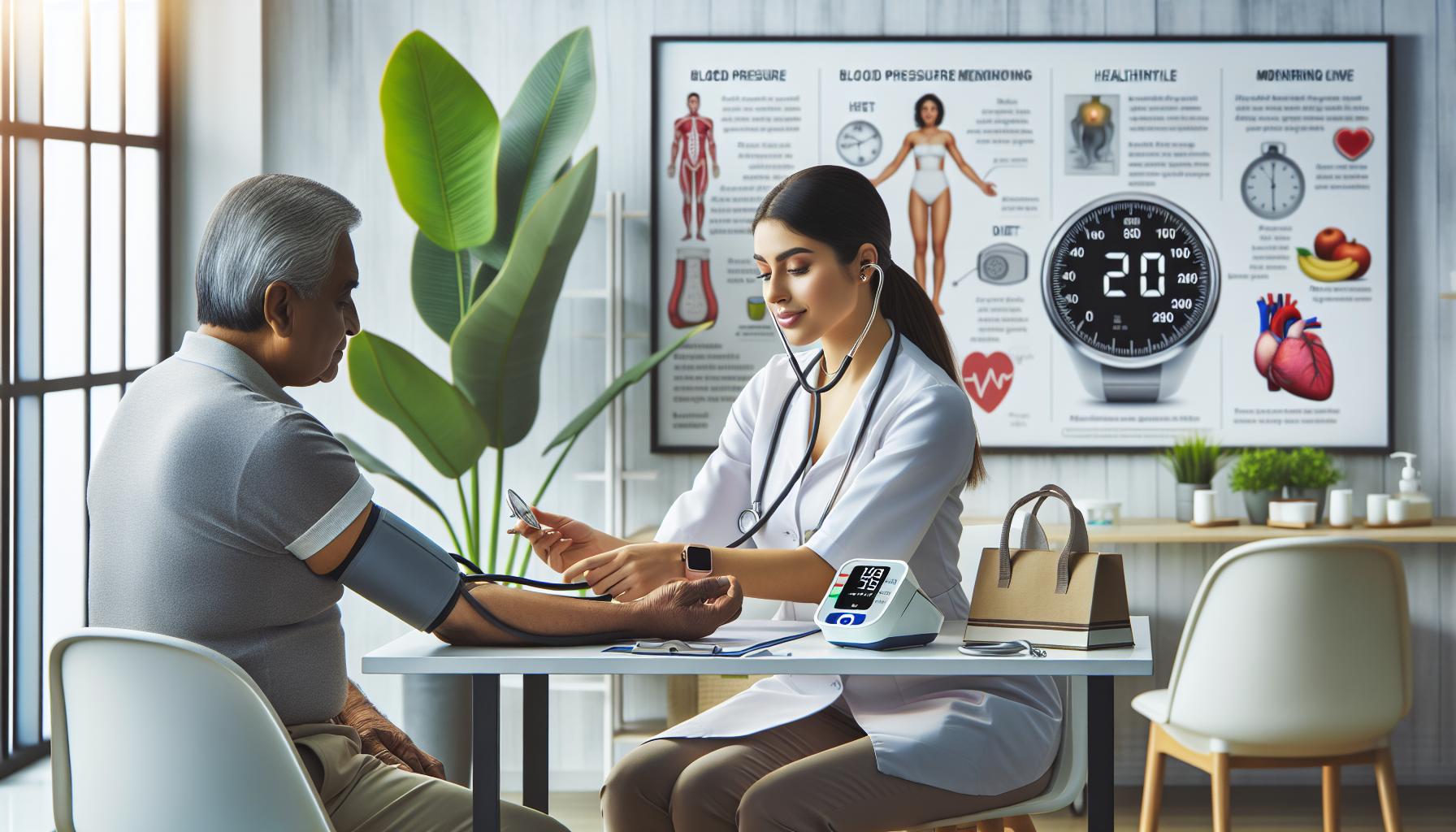
Where to Find Free Blood Pressure Checks Near Me
Regular blood pressure checks are crucial for maintaining heart health, especially as hypertension can lead to severe health complications if left unchecked. Fortunately, there are numerous options available for obtaining free blood pressure checks in your local community. By knowing where to look, you can easily find convenient services that not only help you monitor your blood pressure but also empower you to take charge of your health.
Community health centers are often at the forefront of providing essential medical services. Many of these facilities offer free health screenings, including blood pressure checks, as part of their efforts to promote wellness within the community. You can find a nearby community health center by searching online or contacting your local health department for recommendations. These centers generally cater to all residents, regardless of insurance status, making them an excellent option for those in need.
In addition to community health centers, many pharmacies also provide complimentary blood pressure monitoring services. Chains like CVS, Walgreens, and Rite Aid often have trained pharmacists available to check your blood pressure at no cost. Simply visit during their business hours, and don’t hesitate to ask for assistance; they can also provide valuable advice on managing your blood pressure based on the reading.
Wellness Events and Local Clinics
Keep an eye out for wellness events organized by local hospitals, health organizations, or community groups. These events frequently include health screenings and are an excellent opportunity to receive free blood pressure checks alongside other health services. Lastly, local clinics often have scheduled free screening days, so it’s worthwhile to check their websites or call to inquire about their offerings. By staying informed and proactive, you can ensure that you’re regularly monitoring your blood pressure and taking meaningful steps towards a healthier lifestyle.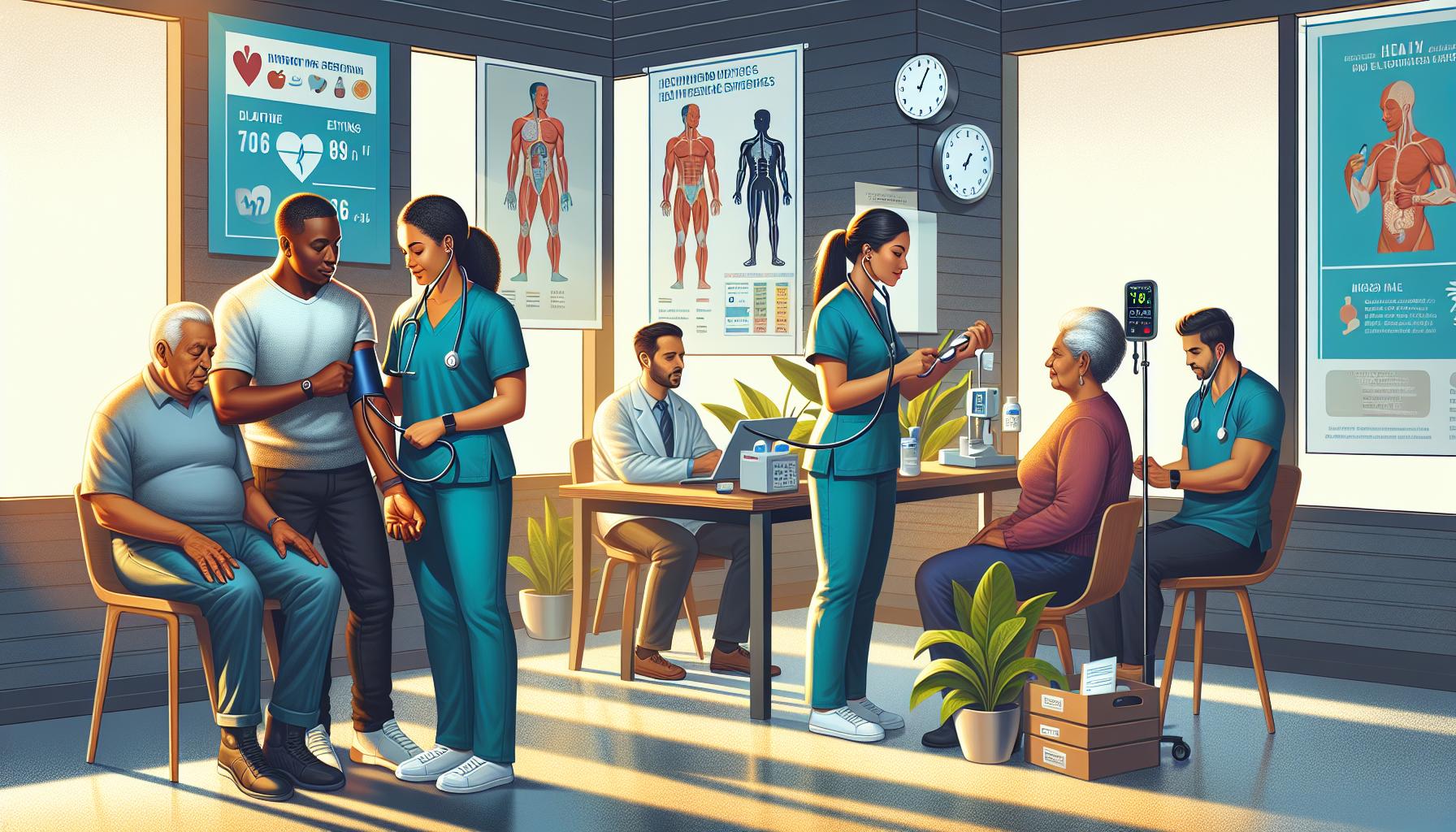
Community Health Centers Offering Free Services
Many individuals are unaware that community health centers are vital resources providing not just general medical services but also free blood pressure checks. These centers play a crucial role in ensuring public health, particularly for those who may not have health insurance or access to traditional medical facilities. By offering no-cost screenings, they help patients take proactive steps towards managing their cardiovascular health.
Visiting a community health center for a blood pressure check is an excellent choice. Typically, these centers are staffed by trained healthcare professionals who can provide valuable insight into your readings. They often offer additional health services, including nutritional advice and lifestyle counseling, which can be beneficial for those identified at risk of hypertension. To find a nearby community health center, consider using online resources or contacting local health departments, as they maintain updated directories of available services.
Additionally, many community health centers frequently hold health fairs or wellness days where they boost awareness about hypertension and other health issues. During these events, you can receive a free blood pressure check along with educational materials on maintaining a healthy lifestyle. Staying informed and engaged with these local resources not only aids in regular monitoring of your blood pressure but also empowers you to make informed decisions about your health.
Pharmacies with Complimentary Blood Pressure Monitoring
Many people are surprised to learn that numerous pharmacies across the country offer complimentary blood pressure monitoring services. These convenient screenings can be a quick and easy way to keep tabs on your cardiovascular health, especially for those who may not have regular access to a doctor’s office. Pharmacists are trained professionals who can measure your blood pressure accurately, and they often have an array of resources available to help you understand your readings and what they mean for your health.
Typically, pharmacy chains like Walgreens, CVS, and Rite Aid provide blood pressure kiosks or private consultation areas where you can have your blood pressure checked for free. Most of these services do not require an appointment, making it simple to stop by during your weekly errands. Just walk in, position yourself correctly per the provided instructions, and take a moment for the reading. It’s important to stay calm and relaxed during the process, as stress can affect your blood pressure significantly.
Benefits of Monitoring in Pharmacies
Using pharmacy blood pressure monitoring offers several advantages:
- Accessibility: Pharmacies are often conveniently located and have flexible hours, making it easy to fit a wellness check into your schedule.
- Professional Guidance: Pharmacists can provide educational resources and advice on lifestyle changes that may help manage your blood pressure.
- No Cost: These services are typically free, helping you manage your health without added financial stress.
By making use of these pharmacy resources, you can take proactive steps toward managing your blood pressure. It’s wise to discuss your results with a healthcare provider, especially if any readings are outside of the normal range. Regular monitoring, combined with lifestyle adjustments such as improved diet, increased physical activity, and stress management, forms a comprehensive approach to maintaining heart health.
Wellness Events Providing Free Blood Pressure Screenings
Participating in wellness events can be an excellent opportunity to access free blood pressure screenings while engaging with your community. These events are often organized by health organizations, nonprofits, or local government agencies that aim to promote health awareness and support preventive care. Many people might be unaware that community health fairs frequently provide complimentary blood pressure checks, along with a range of other health screenings and resources.
One popular type of wellness event is health fairs, which are held throughout the year in various locations, from schools to parks. Attendees can usually find booths staffed by healthcare professionals who are eager to provide screenings for blood pressure, cholesterol, glucose levels, and more. In addition to the valuable health checks, these events often feature educational sessions on topics like nutrition, physical activity, and chronic disease management, giving attendees the chance to learn about maintaining a healthy lifestyle.
To find upcoming wellness events offering free blood pressure screenings, check local community calendars, health department websites, or social media pages of community health organizations. Many establishments, such as grocery stores or gyms, also host these events periodically, often in collaboration with local health services. Keep an eye out for outreach programs specifically aimed at vulnerable populations, where the focus is on increasing access to critical health services.
Remember, regular monitoring of your blood pressure plays a significant role in identifying potential health issues early, allowing for timely intervention and management. Engaging in these community wellness events not only provides an opportunity to check your blood pressure for free but also empowers you with knowledge and resources to take control of your health. So, mark your calendar for the next local health fair, bring family or friends along for support, and take that proactive step toward a healthier you!
Local Clinics: Accessing Free Blood Pressure Checks
Accessing free blood pressure checks at local clinics can be a pivotal step in maintaining your health. Many community clinics offer these services at no cost, ensuring that everyone has access to vital health monitoring, particularly for those at risk of hypertension. Regular checks can catch potential issues early and lead to timely interventions that save lives.
One of the best ways to locate clinics that provide free blood pressure checks is to search online through local health department websites or the directories of community health organizations. Additionally, you can call or visit nearby clinics to inquire directly about available services. Many of these clinics, especially those affiliated with non-profit organizations or local government health initiatives, may also provide a range of additional services such as health education, nutritional counseling, and chronic disease management-all of which can play a critical role in your wellness journey.
When visiting a local clinic for a blood pressure check, it’s advisable to prepare by having a list of any medications you are taking, knowing your family health history, and being ready to discuss any symptoms you may have. This allows healthcare professionals to provide you with the most accurate readings and relevant advice for your specific situation. Strong emphasis is placed on creating a supportive environment, where the staff is trained not only in monitoring blood pressure but also in empowering you with the knowledge and resources necessary to manage your health effectively.
In summary, local clinics serve as invaluable resources for free blood pressure management. By utilizing these services, individuals can stay informed about their cardiovascular health, engage with healthcare professionals, and seek further assistance if needed. Don’t hesitate to explore the clinics in your area; a simple phone call or online search could lead you to essential health resources that can make a significant difference in your life.
University Health Programs and Free Monitoring Days
Many universities across the country play a vital role in promoting community health through their health programs, often offering free blood pressure checks to the public. These initiatives not only serve to educate students but also aim to provide essential health services to the surrounding community, making them a valuable resource for individuals seeking to monitor their cardiovascular health.
University health programs typically organize special events-frequently referred to as “free monitoring days”-where residents can walk in to receive complimentary health screenings. These events make it easy for anyone to access important health metrics without the barrier of cost. Locations can often be found on university websites or community bulletin boards, advertising upcoming events. Not only do these programs provide blood pressure checks, but they may also offer additional services such as cholesterol screenings, body mass index measurements, and health education materials, which further promote overall wellness.
Participating in these monitoring days can empower individuals by giving them an opportunity to engage directly with healthcare professionals, who can provide personalized advice based on the results obtained from the screenings. For those unsure about how to prepare for these checks, it’s best to arrive hydrated and to avoid caffeine or heavy meals right before the appointment for more accurate readings. Engaging with health professionals in these settings also fosters a supportive environment, encouraging ongoing health management and lifestyle changes.
Additionally, staying connected to your local university’s health programs can provide ongoing resources and workshops related to blood pressure management and general health. By utilizing these programs, you not only enhance your understanding of your health status but contribute to a broader health initiative that benefits both the community and the students involved. Be sure to check local listings regularly, as these programs can change throughout the semester or year, ensuring that you don’t miss out on valuable opportunities for health monitoring.
Understanding the Importance of Regular Blood Pressure Checks
Regular blood pressure checks are crucial for maintaining good health and preventing severe health issues. High blood pressure, often referred to as hypertension, is known as a “silent killer” because it typically presents no symptoms until significant damage has occurred. Routine monitoring can help detect elevated levels early, allowing for timely intervention and management. Research indicates that consistent assessment of blood pressure can reduce the risk of severe cardiovascular diseases, stroke, and kidney damage.
One compelling benefit of regular monitoring is that it encourages proactive health management. As individuals become aware of their blood pressure readings, they are more likely to engage in healthier lifestyle choices, such as diet modifications, increased physical activity, and stress management techniques. For example, adopting a heart-healthy diet rich in fruits, vegetables, and whole grains while reducing sodium intake can significantly lower blood pressure levels. Additionally, monitoring empowers patients to communicate effectively with healthcare providers, fostering a collaborative approach to health.
To maximize the effectiveness of blood pressure checks, it’s essential to prepare adequately for each appointment. Here are some practical tips to ensure accurate readings:
- Stay Hydrated: Dehydration can affect blood pressure readings, so make sure to drink enough fluids before your check.
- Avoid Caffeine and Heavy Meals: Caffeine can temporarily elevate blood pressure, and heavy meals can lead to inaccurate results, so refrain from these especially prior to your appointment.
- Rest Before Measurement: Sit quietly for at least five minutes before the check to stabilize your heart rate.
In addition to preparing for checks, utilizing community resources that offer free blood pressure monitoring can lead to ongoing health benefits. Establish relationships with local clinics, pharmacies, and community health centers that provide regular screening events. Staying connected with these services can facilitate long-term health management, helping individuals keep track of trends in their blood pressure and adjust their health strategies accordingly. Regular monitoring not only enhances personal health awareness but also contributes to a greater understanding of community health needs, ultimately benefiting everyone involved.
Preparing for Your Free Blood Pressure Appointment
Preparation is key to getting the most accurate blood pressure readings possible. Before heading to your free appointment, understanding how to optimize your experience can significantly impact the results you receive and your overall comfort. Engaging in proactive measures not only sets you up for success but also fosters a greater awareness of your health.
To start, ensure you stay hydrated. Dehydration can falsely elevate your blood pressure, making this a priority before your visit. Drinking water leads to better blood flow, which ultimately enables the reading to reflect a more accurate portrayal of your current state. Additionally, consider your dietary choices on the day of your appointment. Avoid caffeine and heavy meals for at least an hour prior to having your blood pressure checked. Caffeine can cause a temporary spike in your readings, while the discomfort of a packed stomach may distract you during the process.
Another critical aspect of preparation is taking time to relax. Stress and anxiety can significantly affect your blood pressure levels. Aim to arrive at your appointment early so you can sit quietly for at least five minutes before the measurement. This quiet time allows your heart rate to stabilize. During this period, try deep breathing techniques to calm your mind, as this can help yield a more accurate reading.
Finally, consider keeping a blood pressure log. Document your readings, any symptoms you may experience, and what you’ve done to prepare for each appointment. This record can be a valuable resource for healthcare providers to understand your health trends better and make informed recommendations for managing your blood pressure effectively. By taking these steps, you empower yourself with knowledge and ensure that your blood pressure monitoring experience is as informative and beneficial as possible.
Tips for Finding the Best Blood Pressure Monitoring Locations
Finding reliable locations for free blood pressure monitoring can be essential for maintaining your health, but knowing where to look can sometimes be overwhelming. Consider that many community resources exist, and being aware of them can empower you to take control of your blood pressure management effectively.
One of the best places to start your search is at community health centers. These centers often offer various health services, including complimentary blood pressure checks, as part of their commitment to public health. Additionally, local pharmacies frequently provide free blood pressure monitoring stations, usually supported by trained staff ready to assist you with readings and advice.
Wellness events in your area can also be a treasure trove of free health services. These events may not only offer free blood pressure screenings but also provide access to educational resources on blood pressure management. Keep an eye on community boards or social media platforms for upcoming health fairs and similar initiatives.
When considering how to access blood pressure checks, local clinics and university health programs can be valuable resources. Many urban clinics and universities have health initiatives focused on student and community wellness, conducting free monitoring days where students and practitioners offer services under supervision.
Remember, when searching for the best monitoring locations, utilize online maps and community directories. Additionally, don’t hesitate to call ahead to ensure availability or to ask about specific services offered. Engaging with local health communities not only simplifies your search but also helps you build connections for ongoing support in managing your blood pressure effectively.
How to Access Blood Pressure Checks for Seniors
Many seniors face challenges in monitoring their blood pressure, but accessing free blood pressure checks can be a straightforward process with the right resources. Routine monitoring is crucial for seniors, as it allows for early detection of hypertension and other health issues. Fortunately, numerous options exist that cater specifically to the needs of older adults.
To begin, community health centers are often a prime source for seniors seeking complimentary services. These centers typically offer free blood pressure checks as part of their commitment to improving community health. In many cases, these health centers provide additional assistance, such as guidance on managing high blood pressure and referrals to specialists if needed. Seniors can locate these centers by searching online for local health resources or contacting organizations like the National Association of Community Health Centers.
Pharmacies also play a vital role in offering accessible blood pressure checks. Many local pharmacies have stations where seniors can monitor their blood pressure for free. Some pharmacies employ trained staff members who can assist and educate individuals on the importance of maintaining healthy blood pressure levels. To ensure that the service is available, seniors should consider calling ahead to confirm the pharmacy’s resources and if an appointment is necessary.
Engaging in wellness events hosted by local organizations is another effective way for seniors to access free blood pressure checks. These events may include health fairs, community outreach programs, or senior expos that provide various health screenings. Attending such events not only offers the chance for a free check but also connects seniors with valuable resources and support networks focused on blood pressure management and overall health improvement. Local libraries, community centers, and social media platforms often promote these events, making it easier for seniors to stay informed.
Moreover, senior-specific services can be found through local clinics and university health programs that provide dedicated health days. These initiatives often focus on preventive care and may offer free screenings led by healthcare professionals. Seniors should inquire about such programs, as they not only provide monitoring services but also educational opportunities to foster better health practices in daily life. By being proactive and engaging with these available resources, seniors can effectively manage their blood pressure and maintain a healthier lifestyle.
Navigating Insurance and Free Screening Options
Understanding the often complex landscape of healthcare can feel daunting, especially when seeking essential services like blood pressure checks. Many individuals are unaware that free blood pressure screenings can be accessible through various avenues that may or may not require insurance. Here’s how to navigate these options effectively.
First, it’s essential to recognize that numerous community resources are available regardless of insurance status. Community health centers frequently provide free screenings as part of their mission to enhance public health. They can be a reliable stop for anyone, particularly those without insurance. Many cities have a list of local health centers that offer such services, and checking with their websites or calling directly can provide important details on operational hours and requirements.
Pharmacies are another excellent resource. Chains like Walgreens and CVS often feature blood pressure kiosks accessible to the public without charge. Some locations may also have trained staff who can guide patients through the process, ensuring proper technique and accuracy. It’s wise to contact the pharmacy in advance to confirm their availability of these resources, especially since some stores may have a designated area specifically for health screenings.
Wellness events often serve as fantastic opportunities for free screenings. Health fairs and community outreach programs frequently include blood pressure checks among their offerings. Not only do these events provide critical health information, but they also allow attendees to connect with local health resources and professionals. Keeping an eye on local community boards or social media pages helps ensure you don’t miss these events, which can be both informative and empowering.
When it comes to insurance considerations, it’s notable that preventive screenings, including blood pressure checks, are often covered under many insurance plans at no out-of-pocket cost. Patients should always check with their insurance providers to understand their benefits fully. Additionally, for those over 65, Medicare offers coverage for blood pressure screenings, which can be beneficial. If you find yourself uninsured or underinsured, exploring options through local non-profits and health programs can provide further guidance and resources tailored to your specific situation.
Ultimately, being proactive about blood pressure monitoring is an invaluable step toward a healthier lifestyle. Whether through community health centers, local pharmacies, wellness events, or insurance coverage, individuals have multiple avenues available. Taking initiative with these resources not only facilitates better health management but also promotes a stronger, more informed community.
Resources for Ongoing Blood Pressure Management
Monitoring blood pressure regularly is crucial for maintaining cardiovascular health, especially for those at risk of hypertension. With numerous resources available, individuals can effectively manage their blood pressure post-screening to foster a healthier lifestyle. Engaging with these resources not only aids in understanding one’s health status but also equips individuals with the necessary tools for ongoing management.
Community health organizations often provide educational materials and workshops focused on lifestyle changes that can help lower blood pressure. For example, initiatives may include cooking classes emphasizing low-sodium meal preparation or fitness sessions tailored for all ability levels. Engaging in these community activities not only supports physical well-being but also fosters social connections, which are equally vital for mental health.
Equipping oneself with a home blood pressure monitor is another practical step. These devices are user-friendly and can be found at local pharmacies or online. Regular self-monitoring allows individuals to track their readings at their convenience, assisting them in identifying patterns or triggers. Utilizing smartphone apps designed for health tracking can further enhance this experience by providing reminders and storing historical data for easy reference during medical appointments.
Moreover, consider forming a support group with peers who share similar health aspirations. This could be a family member, friend, or neighbor. Sharing experiences, tips, and encouragement can significantly boost motivation and adherence to dietary, exercise, and medication guidelines. Not to be overlooked, consulting with healthcare providers regularly ensures that individuals can adapt their management plans based on current health status and emerging research in hypertension care.
As you embark on your journey toward better blood pressure management, remember that combining these resources and strategies creates a holistic approach tailored to your individual needs. Engage actively with local services, monitor your health at home, and cultivate a supportive network to achieve lasting health improvements.
Frequently Asked Questions
Q: Where can I find free blood pressure checks on weekends?
A: Many community health fairs or local pharmacies offer free blood pressure checks on weekends. Check local listings or health centers’ websites for their weekend schedules. Pharmacies like Walgreens and CVS often have accessible monitoring stations available for customers.
Q: Are there any mobile clinics that provide free blood pressure services?
A: Yes, some non-profit organizations and health departments operate mobile clinics that provide free blood pressure screenings. Search online for local health initiatives or events that mention mobile screening units. These clinics often visit various communities to ensure easy access.
Q: How often should I get my blood pressure checked for free?
A: It’s generally recommended to get your blood pressure checked at least once a year, but more frequently if you have hypertension or other risk factors. Regular monitoring can help manage health effectively; consider utilizing free check locations regularly as part of your health plan.
Q: What should I bring to a free blood pressure screening?
A: Generally, you don’t need to bring anything specific. However, bringing identification and a list of your medications can be beneficial, especially if you’re already managing health conditions. This information helps healthcare providers offer you tailored advice after the screening.
Q: Can I get my blood pressure checked for free at health fairs?
A: Yes, health fairs often provide free blood pressure screenings along with other health services. Look for upcoming health fairs in your area through community boards, local hospitals, or social media events. Participating can offer you valuable health insights at no cost.
Q: Are there specific days dedicated to free blood pressure checks in my community?
A: Yes, many communities designate specific days for free health screenings, including blood pressure checks. Contact local community health centers or check their websites for schedules of free health days in your area, which often include educational resources.
Q: What resources are available for ongoing blood pressure monitoring at no cost?
A: Besides free clinics, online resources and apps can help you monitor your blood pressure. Many organizations also provide educational materials to aid in management. For immediate guidance, see the sections on local clinics and ongoing management in our article.
Q: How can seniors access free blood pressure monitoring services?
A: Seniors can often find accessible free screenings at local senior centers or community health events. Some pharmacies also cater to seniors with specialized services. Check our section on accessing blood pressure checks for seniors for more detailed information.
In Conclusion
Now that you know where to get your blood pressure checked for free, take action today! Regular monitoring is key to managing your health effectively. Don’t hesitate-visit one of these locations and keep track of your numbers. For additional support, consider exploring resources like our guide on home blood pressure monitoring or learn more about understanding your blood pressure readings through our detailed articles. It’s essential to stay informed and proactive!
Your health matters, so join our community by signing up for our newsletter to receive the latest updates and tips on blood pressure management and overall wellness. Feel free to share your experiences or ask questions in the comments section; we love hearing from you! Remember, you’re not alone in this journey-stay empowered and informed for a healthier future!


