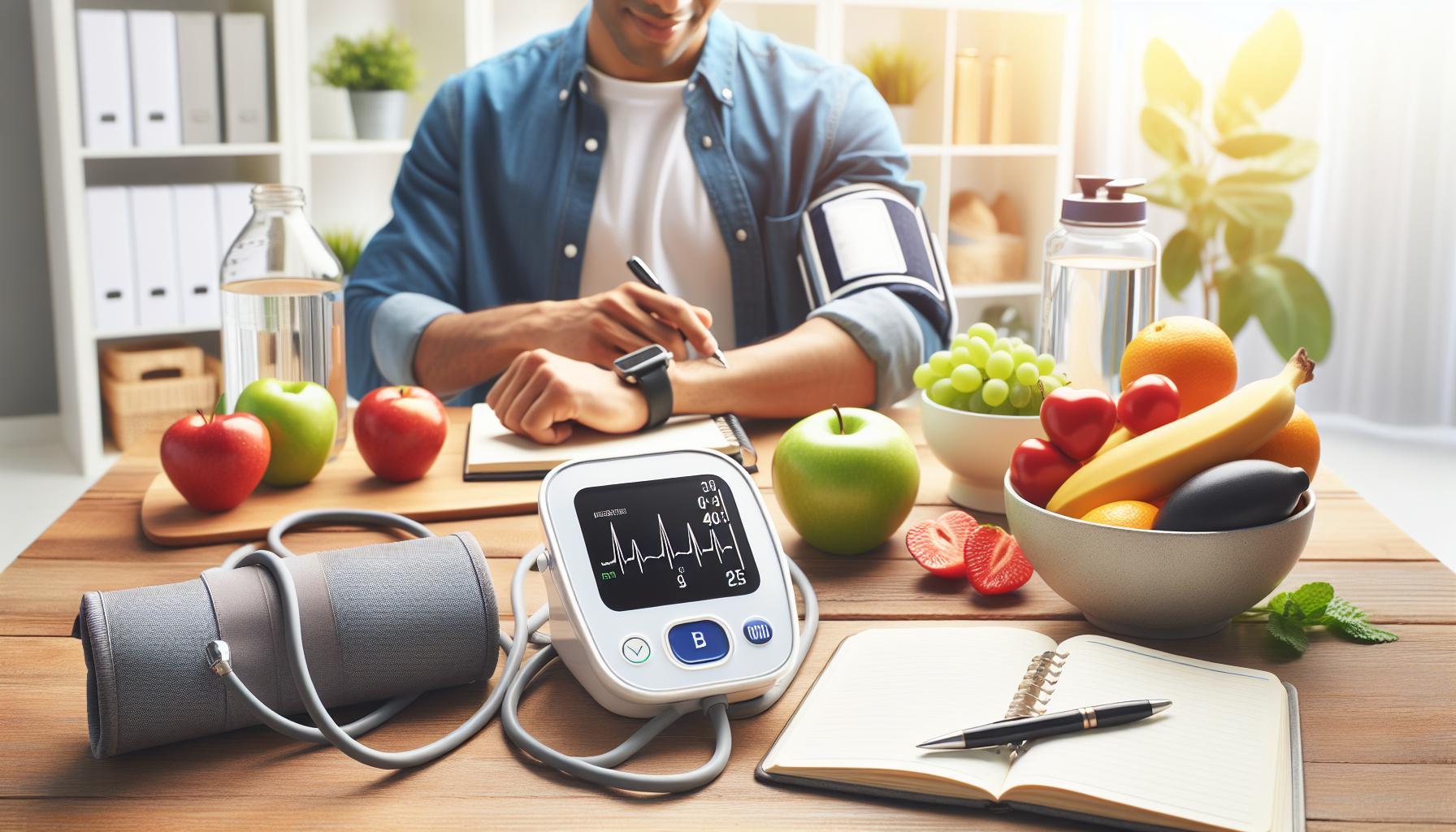

Navigating the complexities of blood pressure management often brings to light unexpected side effects of medications, with weight gain being a pressing concern for many. Did you know that certain antihypertensive drugs could contribute to unwanted weight changes? Understanding which medications can influence your weight allows you to make informed decisions that align with your health goals.
Weight management is vital, especially when managing conditions like hypertension, as additional pounds can complicate treatment and overall well-being. If you’re worried about the impact of your blood pressure medication on your weight, you’re not alone. Many people wrestle with this issue and seek clarity on how to balance effective treatment with maintaining a healthy weight.
In this article, we delve into the specific blood pressure medications linked to weight gain, explore alternatives, and empower you with strategies to manage both your hypertension and weight effectively. Your journey to optimal health starts with knowledge-let’s uncover the facts together.
Which Blood Pressure Medications Are Linked to Weight Gain?
Certain blood pressure medications can play a significant role in weight management, leading to weight gain in some individuals. This is an important consideration for those already managing weight issues, as the additional challenge can complicate their overall health and blood pressure control. Understanding which medications are linked to weight gain can empower patients to discuss options with healthcare providers and explore alternatives that may not have the same side effects.
Common Medications Associated with Weight Gain
The following classes of blood pressure medications have been observed to cause weight gain in some patients:
- Beta-Blockers: Commonly used to lower heart rate and blood pressure, beta-blockers such as propranolol and atenolol can lead to weight gain due to reduced energy expenditure and potential increased appetite.
- Antidepressants: While primarily used for depression, some medications like tricyclic antidepressants that also lower blood pressure can contribute to weight gain as a side effect.
- Corticosteroids: Though not conventional blood pressure medications, corticosteroids are sometimes used for their anti-inflammatory properties. These can lead to significant weight gain due to fluid retention and increased appetite.
- Thiazolidinediones: While mainly prescribed for diabetes, this class may also affect blood pressure and is known for causing weight gain through fluid retention.
Understanding the Impact
Potential weight gain from these medications can complicate blood pressure management, as excess weight may lead to higher blood pressure and increased risk for cardiovascular diseases. Patients experiencing weight changes should feel encouraged to monitor their weight regularly and document any fluctuations. This proactive approach not only aids in tracking medication side effects but also prepares patients for meaningful discussions with healthcare providers about medication adjustments or alternatives.
Understanding How Weight Gain Affects Blood Pressure Management
Managing blood pressure can be a delicate balancing act, especially for those who are also concerned about their weight. Notably, certain blood pressure medications can contribute to weight gain, which may complicate the already challenging task of maintaining healthy blood pressure levels. As excess weight tends to increase blood pressure, this creates a cycle where weight management and hypertension treatment must be approached together. Understanding this relationship is crucial for patients trying to navigate their health.
When patients notice weight fluctuations, it’s important to connect these changes to their medication regimen. Regularly monitoring weight can empower individuals to identify any patterns that may arise from their treatment. Keeping a daily log of weight can facilitate discussions with healthcare providers, leading to more personalized adjustments in medication or lifestyle choices. Moreover, patients should consider the broader spectrum of their health, including diet, exercise, and any other underlying conditions that might contribute to weight gain or affect blood pressure.
In some cases, simply switching to a different class of medication that does not have weight-gain side effects can make a difference. For example, while beta-blockers are commonly used, alternatives like ACE inhibitors or certain calcium channel blockers may offer similar blood pressure control without the unwanted side effect of weight gain. Additionally, integrating a nutritious diet and consistent exercise regimen can help offset any weight gained due to medication, providing a dual benefit for overall health management.
It’s vital for patients to take an active role in their health decisions. Keeping an open line of communication with healthcare providers not only helps in managing blood pressure effectively but also supports weight management efforts. This proactive approach fosters a sense of control, enabling individuals to navigate their treatment options confidently while prioritizing their health and well-being.
The Mechanism Behind Weight Gain from Blood Pressure Medications
Certain blood pressure medications can inadvertently contribute to weight gain, a phenomenon that can add complexity to managing both hypertension and overall health. Understanding the mechanisms behind this side effect is crucial for patients seeking to navigate their treatment options effectively.
Many blood pressure medications operate by altering the balance of fluids in the body, influencing how much water and sodium are retained or excreted. For instance, beta-blockers, commonly prescribed for high blood pressure, may lead to weight gain as they can decrease metabolic rate and, in some cases, increase appetite. The body may respond to these changes by storing more fat as a defense mechanism against perceived threats of reduced energy expenditure. This effect can be particularly pronounced in long-term use, where cumulative weight gain can become noticeable and troubling for patients.
Moreover, certain diuretics, while effective for fluid retention and hypertension, can sometimes lead to initial weight loss but could cause compensatory weight gain later. This occurs when patients regain weight after the diuretic effect wears off and fluid balance is restored. Furthermore, medications that affect hormone levels, such as aldosterone antagonists, can also lead to increases in fat storage, thereby contributing to weight gain in susceptible individuals.
To mitigate these effects, it’s essential to take an active approach in monitoring weight, understanding potential dietary influences, and communicating with healthcare providers about any concerns regarding medication side effects. Strategies such as pairing medication with a balanced diet and regular exercise can help manage weight, reinforcing the idea that lifestyle choices and medication management go hand in hand in promoting overall health. Engaging with these proactive measures helps empower patients to take control of their treatment while minimizing the unwanted side effects of their medications.
Medications That May Cause Weight Gain: A Comprehensive List
Certain blood pressure medications, while effective in managing hypertension, can come with the added challenge of unintended weight gain. This is not just a cosmetic concern; excess weight can exacerbate hypertension and lead to a range of other health issues. Understanding which medications are associated with weight gain helps you and your healthcare provider make informed decisions about your treatment plan.
Medications Commonly Linked to Weight Gain
- Beta-Blockers: These are frequently prescribed for managing high blood pressure and heart conditions. They work by blocking the effects of adrenaline, which can lead to a slowed heart rate and reduced blood pressure. Unfortunately, they may also contribute to weight gain by decreasing metabolic rate and may stimulate appetite.
- Thiazide Diuretics: Although these medications can initially cause weight loss through fluid reduction, patients often regain weight once the diuretic effect subsides. Over time, this compensatory weight gain can negate the initial benefits of the drug.
- Aldosterone Antagonists: These medications, which help to prevent fluid retention, have been shown to increase weight in some patients due to their impact on hormone levels that regulate fat storage.
- Certain Calcium Channel Blockers: While mainly used to lower blood pressure, some studies suggest that specific types within this class can lead to weight gain due to changes in fluid balance and metabolism.
Understanding Your Risks
Recognizing the potential for weight gain with these medications does not mean you should avoid them altogether. The benefits of effectively managing blood pressure often outweigh the risks of weight gain. However, being proactive can make a significant difference. Keep an open dialogue with your healthcare provider about any concerns regarding weight changes, and consider asking about alternative medications if you find that your weight is becoming a barrier to achieving optimal health.
Engage in regular weight monitoring. Taking note of any significant changes in your weight after starting a new medication can help you and your doctor determine whether adjustments or alternative treatments are necessary. Lifestyle modifications, including a balanced diet and consistent exercise, can also help mitigate potential weight gain, allowing you to balance effective blood pressure management while maintaining a healthy body weight.
Alternatives to Weight-Inducing Blood Pressure Medications
Certain blood pressure medications can unwittingly contribute to weight gain, prompting patients and healthcare providers to explore alternative options that effectively manage hypertension without the added challenge of excess weight. For those looking for alternatives, several classes of medications are available that tend to be more weight-neutral or even weight-reducing in some cases.
Weight-Neutral or Weight-Loss Medications
- ACE Inhibitors: Angiotensin-Converting Enzyme (ACE) inhibitors, such as lisinopril and enalapril, are widely prescribed for high blood pressure. They help relax blood vessels and improve blood flow, and studies indicate they do not generally cause weight gain, making them a good option for those concerned about these side effects.
- ARBs: Angiotensin II Receptor Blockers (ARBs), including losartan and valsartan, offer similar benefits without the same propensity for weight gain as some other antihypertensives. This class works by blocking the effects of a hormone that causes blood vessels to constrict.
- Some Calcium Channel Blockers: While certain calcium channel blockers can lead to weight gain, others, like amlodipine, are considered relatively weight-neutral. Regular discussions with healthcare providers can help identify options within this class that do not adversely affect your weight.
- Diuretics with Caution: Although thiazide diuretics can initially cause weight fluctuations, potassium-sparing diuretics like spironolactone can help manage fluid retention without leading to significant weight gain.
Choosing the right medication involves not just selecting an effective choice for blood pressure management but also considering the overall impact on health and quality of life. Engaging with your doctor to explore different options can help tailor treatment plans suited to your individual health needs and lifestyle.
Natural and Lifestyle Alternatives
In addition to medication changes, lifestyle modifications can play a critical role in controlling blood pressure while maintaining a healthy weight. For instance, incorporating regular physical activity can have both hypertension-lowering effects and assist with weight management. A balanced diet rich in whole grains, fruits, vegetables, and lean proteins can provide the necessary nutrients while minimizing weight gain.
Ultimately, open communication with healthcare providers is crucial. Regular monitoring of your blood pressure and weight can facilitate timely adjustments to your treatment plan, allowing you to maintain both your health and your desired body weight without compromising the effectiveness of your antihypertensive therapy.
Lifestyle Changes to Mitigate Weight Gain While on Medication
Adopting healthy lifestyle changes can be a crucial factor in managing both weight and blood pressure, especially when certain medications may contribute to weight gain. The good news is that implementing effective strategies can empower you to take charge of your health without sacrificing your well-being. Making informed choices about your diet, physical activity, and daily routines can help mitigate the unwanted effects of medications while still achieving optimal blood pressure control.
One of the most effective approaches is to focus on maintaining a balanced diet. Incorporating a variety of nutrient-dense foods can provide essential vitamins and minerals while managing weight. Aim for a diet rich in fresh fruits, vegetables, whole grains, lean proteins, and healthy fats. For instance, vegetables like spinach and kale are not only low in calories but also packed with potassium, which can help regulate blood pressure. Additionally, moderating salt intake is vital, as sodium can lead to fluid retention and elevate blood pressure levels. Strive to prepare meals at home to control ingredients and portions, and try to limit processed foods that often contain hidden sugars and unhealthy fats.
Physical activity plays an equally critical role in weight management and blood pressure control. Regular exercise not only helps burn calories but also strengthens the heart and improves circulation. Aim for at least 150 minutes of moderate-intensity aerobic activity each week, such as brisk walking, swimming, or cycling. Including strength training exercises at least twice a week can also enhance muscle mass and metabolism. For individuals new to exercising, starting with short sessions-perhaps a 10 to 15-minute walk-and gradually increasing duration and intensity can make the process more manageable and less intimidating.
Lastly, monitoring your progress is essential. Keeping a daily log of your food intake and physical activity can provide insights into your habits, helping you identify areas for improvement. Regular check-ins with your healthcare provider to discuss your weight, blood pressure readings, and any changes in your medication regimen can ensure that your treatment remains aligned with your health goals. By fostering a supportive environment and engaging with community resources, such as local fitness groups or nutrition classes, you can find motivation and encouragement along the journey, increasing your likelihood of success in managing both your weight and blood pressure effectively.
Monitoring Your Weight: Tips for Patients on Blood Pressure Medications
Monitoring your weight can be a crucial part of managing your health, especially if you are on blood pressure medications known to cause weight gain. A gradual increase in weight can become a hidden challenge that affects not only your everyday well-being but also your blood pressure control. Staying proactive in tracking your weight will empower you to notice any changes early and facilitate timely adjustments to your lifestyle or treatment plan.
One effective method for monitoring your weight is to establish a consistent schedule for weigh-ins. Aim to weigh yourself at the same time each week, preferably in the morning after using the restroom and before eating breakfast. This consistency helps eliminate daily fluctuations caused by changes in fluid levels or food intake, providing a clearer picture of your weight trends over time. Consider keeping a dedicated journal or using a mobile app to log your weight, along with notes regarding your diet, physical activity, and how you feel overall. This practice can reveal patterns related to your medication and lifestyle, guiding you toward adjustments that can help mitigate weight gain.
In addition to tracking weight, it is essential to monitor other indicators that could reflect your overall health. Consider measuring your waist circumference, as abdominal fat can be a risk factor for heart disease and hypertension. A waist measurement above 35 inches for women and 40 inches for men may warrant further discussions with your healthcare provider regarding steps to reduce risk. Besides measurements, regular blood pressure checks are vital; monitoring your readings alongside any weight changes can provide critical insights into how your body responds to medications and lifestyle modifications.
Finally, communicate openly with your healthcare provider regarding any concerns about weight gain or changes in your health status. Bringing your monitoring results to appointments can help initiate constructive conversations about potential medication alternatives or adjustments to your dosage. Your provider may also offer referrals to specialists such as nutritionists or exercise professionals who can support you in creating tailored strategies for weight management while on blood pressure medications. Remember, taking these proactive steps and seeking guidance can significantly enhance your weight management efforts and overall health outcomes.
Consulting Your Doctor: When to Discuss Medication Changes
The journey of managing blood pressure can often feel overwhelming, especially when medications that help control hypertension also lead to unwanted weight gain. It’s vital for patients to recognize when it’s time to discuss adjustments to their treatment plan. If you’re noticing gradual weight increases, particularly when it correlates with starting a new antihypertensive medication, it’s essential to have that conversation with your healthcare provider.
One of the first steps to take is to keep a detailed record of your weight changes over time, alongside any other symptoms or side effects you may be experiencing. This can provide valuable context during your appointment. If you find yourself gaining weight consistently despite maintaining your normal diet and exercise routine, it isn’t just a cosmetic issue-it can affect your blood pressure management and overall health. Make a note of your blood pressure readings as well, as this data can help your doctor assess how well your current medications are working and whether the side effects, like weight gain, might be contributing to higher pressures.
When you consult your doctor, approach the discussion with specific concerns and insights gleaned from your monitoring. Ask targeted questions such as, “Is it common for this medication to cause weight gain?” or “What alternatives are available that may have a lesser impact on weight?” Your healthcare provider can explain the mechanisms behind weight gain associated with certain blood pressure medications and offer alternatives that align better with your health goals.
Moreover, don’t hesitate to express your feelings toward the medications. Your comfort and confidence in your treatment plan are crucial for long-term adherence and overall success. Physicians appreciate patients who actively engage in their health management, and they may discuss options like adjusting dosages, switching medications, or integrating lifestyle modifications that can counterbalance the weight gain without compromising blood pressure control. Being proactive in this manner empowers you to take control of your health journey, ensuring that your blood pressure remains manageable while minimizing undesirable side effects.
Patient Experiences: Real Stories About Weight Gain and Medication
It’s not uncommon for individuals managing high blood pressure to find themselves facing unexpected weight gain after starting a new medication. These experiences can be confusing and, for many, disheartening. Take for example Lisa, a 54-year-old who was prescribed a beta-blocker to control her hypertension. Within months, she noticed a significant weight increase despite making dietary changes and maintaining her exercise routine. Lisa’s story highlights a common concern: the psychological and physical toll that weight gain can take on individuals already struggling with chronic health issues.
Many patients report feeling discouraged when they see the numbers on the scale climb, especially when they associate their weight gain directly with their medication. In John’s case, a diuretic drained his energy and led to cravings for carbohydrate-rich foods-a side effect he hadn’t anticipated. The discrepancy between his expectations of controlling his blood pressure and the reality of weight gain left him feeling defeated. His determination to stay healthy was strong, yet the medication made it difficult to maintain a positive outlook.
Real stories from patients often emphasize the importance of communication with healthcare providers. Effective management goes beyond just taking medications; it involves discussing side effects openly. Patients like Sarah, who began tracking her weight alongside her blood pressure, found that bringing this data to her doctor resulted in a meaningful conversation about alternative treatments. Her proactive approach empowered her to participate in her health decisions, leading her to switch medications that aligned better with her lifestyle.
It’s essential to remember that everyone’s body reacts differently to medications. Some may experience weight gain, while others may not notice any changes at all. Engaging with your healthcare provider about these experiences not only helps find solutions tailored to your needs, but it also fosters a collaborative approach to managing your health. The journey to finding the right balance between blood pressure control and maintaining a healthy weight requires patience, understanding, and a supportive network.
The Role of Diet and Exercise in Managing Blood Pressure and Weight
Managing blood pressure effectively often requires a multifaceted approach that includes not only medication but also significant lifestyle changes, particularly in diet and exercise. Embracing healthier habits can help mitigate potential weight gain associated with blood pressure medications while enhancing overall cardiovascular health. A balanced diet rich in fruits, vegetables, whole grains, and lean proteins supports both blood pressure management and weight stability.
Nutrition’s Impact on Blood Pressure and Weight
To effectively manage weight and blood pressure, focus on foods that promote heart health. The DASH (Dietary Approaches to Stop Hypertension) diet is a prime example that emphasizes the consumption of nutrient-dense foods such as:
- Fruits and Vegetables: These are high in vitamins, minerals, and fiber but low in calories, making them ideal for maintaining a healthy weight.
- Whole Grains: Foods like brown rice, quinoa, and oats can help regulate blood sugar and reduce cravings.
- Lean Proteins: Incorporating sources like chicken, fish, beans, and legumes can aid muscle preservation and promote satiety.
Minimizing salt intake is also vital, as excess sodium can exacerbate hypertension. Aim for whole, unprocessed foods and consider spices and herbs for flavor enhancement.
The Role of Physical Activity
Regular physical activity is crucial for anyone looking to manage weight and blood pressure naturally. Aim for at least 150 minutes of moderate-intensity aerobic activity, such as brisk walking or cycling, each week. Resistance training should also be included at least twice a week to build muscle mass and boost metabolism.
Some effective exercises include:
- Walking: A simple, low-impact option that can be easily integrated into daily routines.
- Strength Training: Using resistance bands or weights can help increase lean muscle mass, which in turn can aid in weight management.
- Yoga and Stretching: These can improve both physical flexibility and mental relaxation, contributing to overall well-being.
Combining diet and exercise not only addresses weight management but also plays a crucial role in improving mood and reducing stress, factors that significantly impact blood pressure levels.
In summary, the interplay between diet and exercise is vital, especially for those concerned about weight gain from blood pressure medications. By making informed choices and staying physically active, individuals can feel empowered to take control of their health, potentially offsetting unwanted side effects of their medications and achieving better blood pressure management. Always remember to consult with a healthcare provider before making significant lifestyle changes, especially when managing chronic health conditions.
Frequently Overlooked Side Effects of Blood Pressure Medications
Blood pressure medications are essential for many individuals in managing hypertension, but they can come with a range of side effects that often go unnoticed. Beyond the more commonly discussed effects, such as dizziness or fatigue, many patients might be unaware of their potential impact on weight gain and other metabolic changes. Acknowledging these overlooked aspects is crucial for better health management.
While weight gain is a well-documented concern, certain medications can also cause fluid retention, leading to a seemingly sudden increase in weight. For example, calcium channel blockers and certain beta-blockers are known to contribute to this phenomenon. However, the emotional and psychological effects should not be overlooked either; some individuals may experience changes in appetite or altered taste sensations, encouraging unhealthy eating habits that could also lead to weight changes.
Additionally, blood pressure medications might interact with common lifestyle factors such as diet and physical activity levels. For instance, some diuretics, while aimed at reducing fluid retention, can lead to electrolyte imbalances that affect energy levels and motivation for exercise. Understanding how these medications influence your overall well-being is key to developing a comprehensive treatment plan. Communication with healthcare providers is essential; discussing side effects, medication alternatives, and lifestyle adjustments can empower patients to take control of their health journey.
To mitigate these side effects, incorporating regular monitoring of body weight and body measurements can provide insight into how medications influence one’s weight. Patients should keep a diary of any changes in weight, dietary habits, and physical activity levels to discuss in future consultations. Emphasizing a holistic approach that includes nutrition education and personalized exercise recommendations can help in making informed decisions about blood pressure management without compromising overall health.
Frequently Asked Questions
Q: What types of blood pressure medications are most likely to cause weight gain?
A: Certain blood pressure medications, especially beta-blockers and some diuretics, have been linked to weight gain. Beta-blockers can slow metabolism and increase appetite, while diuretics may cause dehydration and subsequent water retention. For more details on medication types, refer to the section on weight-inducing medications.
Q: How can I prevent weight gain while taking blood pressure medication?
A: To prevent weight gain, focus on a balanced diet and regular physical activity. Monitor your weight frequently, and consider keeping a food diary to identify patterns. Incorporating lifestyle changes can effectively mitigate weight gain associated with hypertension drugs, as discussed in the lifestyle section of the article.
Q: Are there specific blood pressure medications that are weight-neutral?
A: Yes, some medications, such as ACE inhibitors and calcium channel blockers, tend to be weight-neutral and may even promote weight loss. Discuss these options with your healthcare provider to find a suitable alternative that fits your needs.
Q: When should I consult my doctor about weight gain from blood pressure medications?
A: Consult your doctor if you notice significant weight gain or changes in appetite after starting a new medication. It’s essential to address potential side effects early to discuss medication adjustments or alternative therapies to manage both blood pressure and weight effectively.
Q: What role does diet play in managing weight gain from blood pressure medications?
A: A balanced diet rich in fruits, vegetables, whole grains, and lean proteins can help manage weight. Reduce sodium intake to support blood pressure management and limit processed foods that may contribute to weight gain. This approach complements medical treatment, enhancing overall health outcomes.
Q: Are there any natural alternatives to blood pressure medications that don’t cause weight gain?
A: Yes, lifestyle modifications such as regular exercise, weight management, and stress reduction techniques can lower blood pressure naturally without the risk of medication-induced weight gain. Discuss these natural options with your healthcare provider to ensure safety and effectiveness.
Q: How quickly can blood pressure medications lead to weight gain?
A: Weight gain from blood pressure medications can vary. Some individuals may notice changes within weeks, while for others, it might take several months. Monitoring weight regularly after starting a new medication can help identify any significant changes early.
Q: What should I do if my blood pressure medication causes weight gain?
A: If you experience weight gain, consult your healthcare provider to review your current medications and possibly adjust your treatment. They can help explore alternatives and emphasize lifestyle strategies for managing both blood pressure and weight more effectively.
In Conclusion
As you explore the nuances of blood pressure medications and their potential impact on weight, remember that knowledge is your best tool for informed health decisions. Understanding which medications may lead to weight gain can empower you to discuss alternatives and lifestyle adjustments with your healthcare provider. Don’t let any concerns linger-now is the time to take control of your health!
For further insights, dive into our articles on lifestyle changes to manage blood pressure naturally and effective monitoring strategies for chronic conditions. If you have questions or experiences to share, please leave a comment below-we’d love to hear from you!
Stay engaged and proactive in your health journey; sign up for our newsletter to receive the latest updates and expert advice right in your inbox. Your path to better health starts today; let’s navigate it together!