
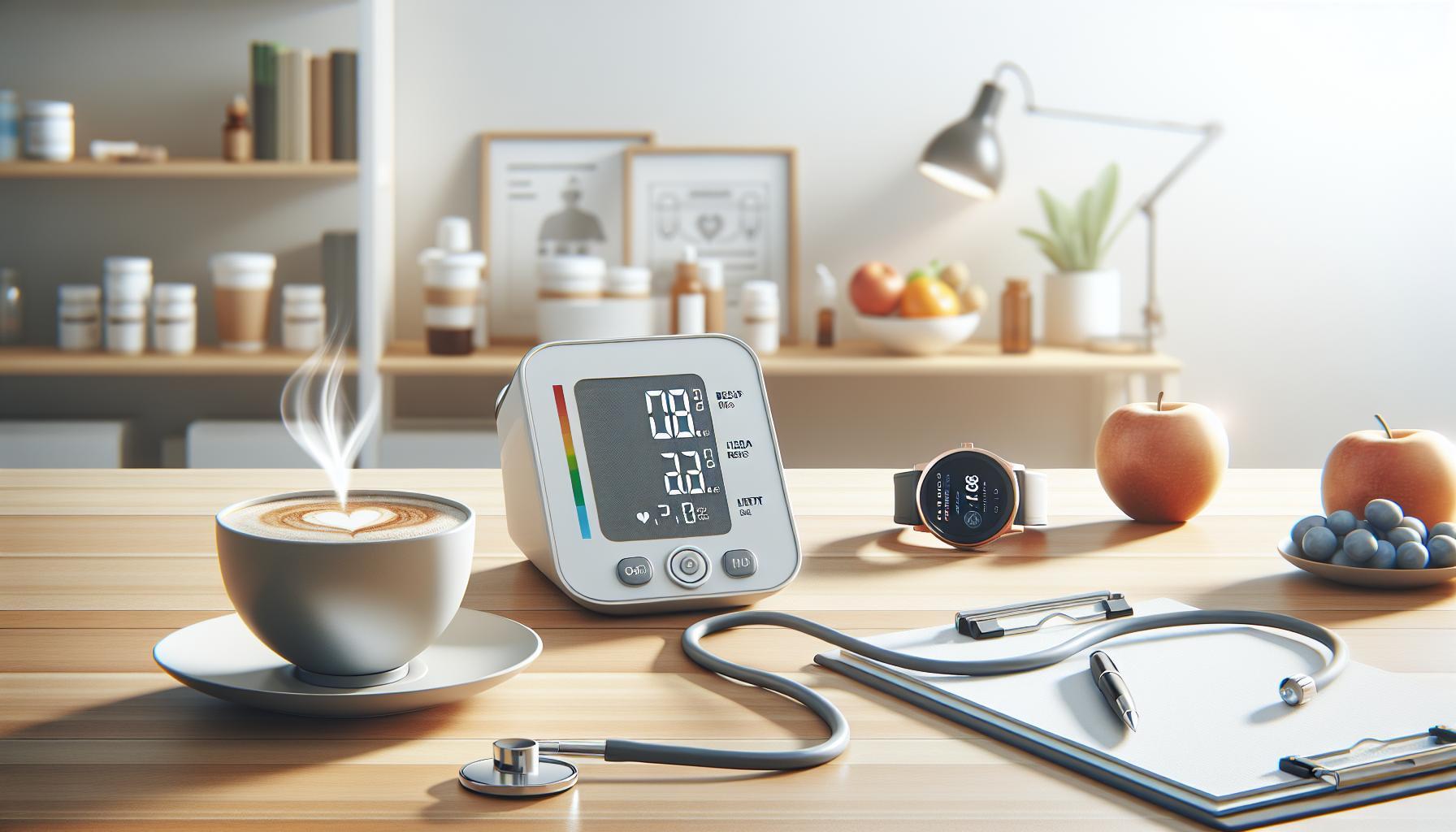

Decaf coffee offers a delightful way to enjoy the rich flavors of coffee without the jitters from caffeine, making it a popular choice for many. However, if you’re managing your blood pressure, you may be wondering whether decaf is a safer option. Understanding the relationship between decaf coffee and blood pressure is essential for making informed choices that support your health goals.
Research suggests that while decaf contains minimal caffeine, other compounds in coffee can still influence blood pressure levels. As you navigate your dietary preferences, knowing how decaf coffee fits into your lifestyle can empower you to manage your health more effectively. Stay with us as we explore the effects of decaf coffee on blood pressure, helping you enjoy your cup of joe while promoting your well-being.
Does Decaf Coffee Raise Blood Pressure?
Research indicates that decaffeinated coffee can be a safe choice for those monitoring blood pressure. Unlike regular coffee, which contains caffeine that can temporarily elevate blood pressure levels, decaf generally does not have the same effects. Studies have shown that drinking decaf coffee does not significantly increase blood pressure in most people, making it a suitable alternative for those sensitive to caffeine or dealing with hypertension.
It’s important to note that the way decaffeinated coffee is made may influence its components, including antioxidants and acids. While decaf coffee retains many beneficial properties, it is crucial to monitor individual responses. Factors like personal sensitivity or the presence of additional ingredients in flavored or cream-laden decaf brews could contribute to elevated readings after consumption. As with any dietary change, keeping an eye on how your body reacts can provide guidance on whether decaf coffee fits into your health plan.
For those looking to incorporate decaf coffee into their lifestyles, maintaining a balanced diet and regular exercise is essential. Additionally, staying informed about personal blood pressure levels can empower individuals to make informed decisions about their beverage choices. Engaging with healthcare providers for personalized advice can further enhance overall well-being and maximize the benefits of decaffeinated coffee without the worry of affecting blood pressure adversely.
The Science Behind Caffeine and Blood Pressure

Caffeine, the primary stimulant in regular coffee, has a well-documented effect on blood pressure. Upon consumption, caffeine can lead to a temporary spike in blood pressure by stimulating the cardiovascular system and increasing the release of adrenaline. This phenomenon is particularly important for individuals already managing hypertension, as regular intake of caffeinated beverages may necessitate careful monitoring of blood pressure levels.
In stark contrast, decaffeinated coffee offers a unique alternative. During the decaffeination process, most of the caffeine is removed, allowing individuals to enjoy the taste and experience of coffee without its stimulating effects. Research has consistently shown that decaffeinated coffee does not produce the same immediate blood pressure elevation associated with caffeinated coffee. In many cases, it does not lead to significant increases in blood pressure, making it a viable choice for those sensitive to caffeine or managing hypertension. Studies indicate that the consumption of decaf can provide an enjoyable coffee experience while contributing to a healthier lifestyle without compromising heart health.
This isn’t to say that all responses to decaf are identical. Individual sensitivity to other compounds in coffee, such as certain acids or additives used in flavored options, can influence overall cardiovascular effects. Therefore, it is wise for individuals, especially those with pre-existing conditions, to pay close attention to how their body responds to decaf coffee. Monitoring your blood pressure regularly can empower you to make informed decisions regarding your coffee consumption, ultimately supporting your journey toward better health.
Finally, to integrate decaf safely into your diet while ensuring your heart health, consider these steps:
- Monitor your blood pressure: Keep a log of your readings to understand how decaf affects you personally.
- Start slowly: Gradually introduce decaf into your routine to gauge your body’s response.
- Choose quality decaf: Select brands known for their decaffeination methods and minimal additives.
- Consult with healthcare providers: Discuss your coffee habits with a healthcare professional for personalized guidance.
By approaching decaf coffee with awareness and informed choices, you can enjoy its flavors while keeping your blood pressure in check.
Understanding Decaf: How It’s Made and Its Effects

Decaffeinated coffee, often perceived as a gentler choice for those looking to reduce caffeine intake, undergoes a meticulous process designed to remove most of its stimulating properties while preserving the rich flavors that coffee lovers enjoy. Understanding how decaf coffee is made allows consumers to appreciate not only its flavors but also its implications for health, especially concerning blood pressure management.
The decaffeination process typically employs one of three primary methods: the Swiss Water Process, the Direct Solvent Method, or the Carbon Dioxide Process. In the Swiss Water Process, green coffee beans are soaked in water, allowing the caffeine to dissolve. The water is then passed through a charcoal filter that traps the caffeine while the flavor compounds remain in the water. In the Direct Solvent Method, a chemical solvent, such as methylene chloride or ethyl acetate, is used to extract caffeine directly from the beans. Lastly, the Carbon Dioxide Process utilizes high-pressure carbon dioxide to pull caffeine from the beans while leaving other flavor elements intact. Regardless of the method, the result is coffee that provides a fuller sensory experience without the pronounced effects of caffeine.
Research indicates that the effects of decaffeinated coffee differ significantly from those of its caffeinated counterpart. While regular coffee is known to potentially raise blood pressure due to its caffeine content, decaf coffee is generally not associated with these spikes. Studies have shown that decaffeinated coffee may not only lack the cardiovascular stimulating effects but can also fit well into a heart-healthy diet. Moreover, decaf coffee is rich in antioxidants, which may contribute positively to overall health while not compromising blood pressure control.
While enjoying decaf, it’s essential to remain mindful of individual responses to various compounds present in coffee, as some people may be sensitive not to caffeine but to certain acids or additives. To effectively integrate decaf into a lifestyle focused on blood pressure management, consider monitoring your blood pressure before and after consumption to identify any personal reactions. As with any dietary choice, taking a balanced approach and remaining attentive to how your body feels is critical for making informed decisions that support long-term health. By embracing decaf thoughtfully, you can savor coffee’s pleasures without unnecessary worries about its impact on your blood pressure.
Comparative Studies: Decaf vs. Regular Coffee

Research has consistently demonstrated that the effects of coffee on blood pressure can be significantly influenced by the presence of caffeine. Regular coffee, known for its stimulating properties due to its caffeine content, often leads to temporary increases in blood pressure. Studies have shown that for individuals who consume caffeine regularly, this effect can be more pronounced, raising concerns for those managing hypertension. In contrast, decaffeinated coffee offers an appealing alternative, as it generally does not lead to the same spikes in blood pressure. This distinction has led to a growing interest in understanding how decaf compares to its caffeinated counterpart in the context of cardiovascular health.
A review of various studies highlights that while regular coffee can lead to a measurable increase in blood pressure, primarily due to caffeine, decaf coffee appears to be a safe choice for those concerned about hypertension. In one comparative study, participants consuming decaf did not exhibit significant changes in systolic or diastolic blood pressure, providing compelling evidence that decaf may be integrated into a heart-healthy diet without the risk associated with caffeinated beverages. Moreover, the antioxidant properties of decaf coffee enhance its appeal, potentially offering cardiovascular benefits without the accompanying caffeine-related risks.
When evaluating your coffee choices, consider not only the caffeine content but also your personal health profile and sensitivities. Many individuals might react differently to components in coffee other than caffeine, such as certain acids or additives. Therefore, if you wish to make a transition from regular to decaf, it’s advisable to monitor your blood pressure before and after consumption to gauge your body’s response. Regular tracking can empower you with the insights needed to make informed dietary decisions that support your overall health. By choosing decaf, you can enjoy the rich flavors of coffee while minimizing potential health risks, allowing you to indulge in your favorite beverage with confidence.
Decaf Coffee and Hypertension: What the Experts Say
While the debate over coffee consumption and its effects on health is ongoing, expert insights increasingly suggest that decaffeinated coffee can be a safe and beneficial choice for those concerned about hypertension. Unlike regular coffee, decaf contains significantly less caffeine, which is primarily responsible for the temporary spikes in blood pressure that many individuals experience. Research indicates that decaf coffee does not lead to significant changes in blood pressure levels, making it a viable option for individuals managing hypertension or those sensitive to caffeine’s effects.
Studies focusing on the impact of decaf on blood pressure have generally shown that it is a heart-friendly alternative. For example, in a study where participants consumed decaf, researchers observed no significant changes in systolic or diastolic blood pressure. This contrasts sharply with findings related to regular coffee, which often demonstrate a marked rise in blood pressure. Such evidence reassures those seeking to enjoy the sensory pleasures of coffee without exacerbating hypertension or suffering from increased heart rate and anxiety commonly caused by caffeine.
Adopting decaf coffee into your routine can be aligned with other heart-healthy practices. However, it’s imperative to keep track of how your body reacts, especially if you are making a shift from caffeinated beverages. Monitoring your blood pressure before and after consuming decaf coffee can provide personal insights, allowing you to see how your body adapts to these changes. Engage in regular tracking of your blood pressure-aiming for consistency in the times you check, perhaps using a self-monitoring system, to gain a full picture of your response.
In addition to monitoring, it is also beneficial to consider your overall lifestyle. A balanced diet, regular physical activity, and stress management contribute significantly to blood pressure management. With the antioxidant-rich profile of decaf coffee, you can not only enjoy a flavorful experience but also incorporate an additional element into a heart-healthy diet that benefits your cardiovascular wellbeing.
Lifestyle Factors Influencing Blood Pressure
A well-rounded lifestyle can significantly influence blood pressure, offering benefits that extend beyond dietary choices such as switching to decaf coffee. Factors like physical activity, stress management, and nutrition play crucial roles in maintaining healthy blood pressure levels. For instance, engaging in regular exercise not only helps to maintain a healthy weight but also promotes better heart health by improving circulation and reducing arterial stiffness.
Physical Activity
Incorporating a variety of physical activities into your routine can naturally help manage your blood pressure. Aim for at least 150 minutes of moderate aerobic exercise each week, combining activities like walking, cycling, and swimming. Additionally, strength training exercises should be included at least twice a week to enhance overall cardiovascular health. Remember, consistency is key, so find activities you enjoy to make it easier to stick with your routine.
Stress Management
Chronic stress is known to contribute to elevated blood pressure. Implementing stress-reduction techniques can be crucial for managing both stress and blood pressure levels. Methods such as mindfulness, yoga, or controlled breathing exercises can help lower stress responses in the body. Consider dedicating a few minutes each day to practice relaxation techniques. Even hobbies that you enjoy can provide a mental break and contribute positively to stress reduction.
Nutrition and Hydration
A balanced diet rich in fruits, vegetables, whole grains, and lean proteins can greatly assist in blood pressure management. Foods high in potassium, such as bananas and leafy greens, can counteract sodium’s effects and help regulate blood pressure. Additionally, monitoring sodium intake-keeping it below the recommended limit of 2,300 mg per day-can further support heart health. Staying well-hydrated is also essential, as dehydration can lead to increased blood pressure.
Monitoring Your Progress
Establishing a routine for blood pressure monitoring can provide valuable insights into how changes in your lifestyle impact your health. Here’s a simple way to track your progress:
- Choose at least two days a week for blood pressure readings.
- Take your measurements at the same time each day for consistency.
- Consider keeping a log to track your readings along with notes on diet, activity, and stress levels to identify patterns.
These lifestyle factors, combined with the health benefits of decaf coffee, create a comprehensive approach to managing blood pressure effectively. By adopting and maintaining these practices, you can empower yourself to take control of your health and well-being.
Monitoring Your Blood Pressure: Best Practices
Regularly monitoring your blood pressure is crucial for maintaining heart health, especially if you’re considering incorporating decaf coffee into your diet. Reliable readings can help identify trends, manage hypertension, and inform your health decisions. Here’s how to effectively monitor your blood pressure, along with best practices for obtaining accurate readings.
Firstly, select a blood pressure monitor that meets your needs-either automatic or manual devices are suitable, but ensure they are validated for accuracy. It’s ideal to take measurements at the same time each day, preferably in a calm environment before meals. To prepare for taking your blood pressure, sit comfortably for five minutes, avoid caffeine and exercise for at least half an hour before measuring, and remember to rest your arm at heart level during the process.
Consider establishing a routine to capture your readings at consistent intervals. For example, you might choose to record your blood pressure every Monday and Thursday morning. Keeping a log can help track changes over time, noting any related factors such as diet, physical activity, or stress levels. This allows you to identify patterns and potential correlates between your lifestyle choices and blood pressure fluctuations.
Additionally, if your readings are consistently high or show significant variations, consult with a healthcare provider for a comprehensive evaluation. They can offer personalized advice on whether your decaf coffee intake-or any other dietary or lifestyle change-might be influencing your blood pressure. By taking these proactive steps, you’ll not only enhance your understanding of your cardiovascular health but also empower yourself to make informed decisions that could lead to better overall well-being.
Decaf Coffee: Health Benefits Beyond Blood Pressure
Coffee lovers often wonder whether they can indulge in decaf without worrying about their health. If you’re looking for a beverage that tastes great but doesn’t contribute to rising blood pressure, decaf coffee might just be your best friend. Beyond its low caffeine content, decaf coffee is packed with antioxidants and may come with an array of health benefits that extend beyond managing blood pressure.
Research has indicated that decaf coffee contains many of the same beneficial compounds as regular coffee. These compounds, particularly polyphenols, are known for their antioxidant properties. They help the body combat oxidative stress, reducing the risk of chronic diseases such as cardiovascular issues and certain cancers. Additionally, studies suggest that the regular consumption of antioxidants may improve heart health by supporting vascular function and reducing inflammation, which are crucial factors in blood pressure regulation.
Additional Health Benefits of Decaf Coffee
Decaf coffee can be part of a balanced diet that contributes positively to overall health. Consider the following potential benefits:
- Improves Liver Health: Regular decaf consumption has been linked to a lower risk of liver diseases, including fibrosis and cirrhosis.
- Enhanced Cognitive Function: Some studies suggest that the antioxidants in decaf coffee may help protect against age-related cognitive decline.
- May Lower the Risk of Diabetes: Some research indicates that decaf might help stabilize blood sugar levels, potentially lowering the risk of type 2 diabetes.
Integrating decaf into your daily routine could also be a comforting ritual that supports mental well-being. The act of making and enjoying a warm cup of coffee can promote relaxation and reduce stress, further benefiting your cardiovascular health. Choosing decaf allows you to indulge in the familiar flavors of coffee while minimizing any adverse effects that caffeine might have on your blood pressure and overall anxiety levels.
Overall, decaf coffee serves as a delicious and healthful alternative for those who wish to enjoy the taste and experience of coffee without the jitters or potential blood pressure spikes associated with its caffeinated counterpart. Make it a part of your heart-healthy lifestyle, and you might just find that it enriches your daily routine in more ways than one.
Tips for Drinking Decaf Safely
Decaf coffee can be a delightful addition to your daily routine, offering the flavor of coffee without the stimulating effects of caffeine. However, to maximize its health benefits and minimize any potential downsides, it is essential to drink it wisely. Start by choosing high-quality decaf brands that use water or Swiss water processes for decaffeination, as these methods preserve the beneficial antioxidants found in coffee. Look for certifications or labels that indicate these processes, ensuring you get a product free from harmful chemicals often used in solvent-based decaffeination methods.
Incorporating decaf coffee into a balanced diet is another key aspect of enjoying it safely. While decaf is lower in caffeine, moderation is still important. Aim to limit yourself to 2-3 cups a day to avoid any potential issues related to caffeine sensitivity or sipping on more than necessary. Pair your decaf with nutrient-rich foods; consider enjoying a cup alongside a meal rich in whole grains, fruits, or vegetables, which can amplify the positive effects on blood pressure and overall health.
Be mindful of your body’s responses as you introduce or increase your decaf coffee consumption. Monitor your blood pressure periodically, especially if managing hypertension or other cardiovascular concerns. Keeping a journal of your coffee intake and any related symptoms-such as fluctuations in energy or mood-can help you identify patterns and make informed choices moving forward. If you experience any adverse effects, consider adjusting the quantity or timing of your decaf consumption.
Lastly, involve your healthcare provider in your decision to drink decaf regularly, especially if you’re currently managing medication or specific health conditions. They can provide personalized advice tailored to your circumstances, ensuring that your coffee habits align with your health goals. Integrating decaf coffee into a heart-healthy lifestyle can be enjoyable and beneficial, promoting relaxation without compromising your health.
Common Misconceptions About Decaf Coffee
Many people believe that decaf coffee is completely caffeine-free, but this is a common misconception. Decaf coffee typically contains about 2 to 5 milligrams of caffeine per cup compared to a regular cup that can contain 95 milligrams or more. This small amount may not be significant for most individuals but can still impact those who are highly sensitive to caffeine or are watching their intake for health reasons.
Another misunderstanding is that decaf coffee lacks the health benefits associated with regular coffee. While it is true that decaf has lower caffeine levels, it remains rich in antioxidants and other beneficial compounds. Studies have suggested that decaf coffee can support heart health, reduce inflammation, and improve liver function, making it a wholesome option for those avoiding caffeine but still wishing to enjoy the flavor and potential health advantages of coffee.
Some may also think that drinking decaf coffee will have no effect on blood pressure. Research indicates that while caffeine can cause short-term spikes in blood pressure, evidence surrounding decaf coffee’s impact is less conclusive. The reduction in caffeine does not necessarily negate all effects on blood pressure. For individuals managing hypertension, monitoring their response to decaf coffee is still a prudent practice.
Furthermore, there’s a belief that decaf coffee can be consumed in unlimited quantities without repercussions. While it is lower in caffeine, moderation is key. Drinking 2 to 3 cups of decaf daily can be part of a healthy diet, but excessive consumption may lead to digestive issues or other health concerns. It’s always wise to listen to your body and adjust your intake accordingly.
Adopting a balanced perspective on decaf consumption can empower individuals to make informed choices while enjoying their favorite beverage in a way that aligns with their health goals.
Consulting Your Healthcare Provider About Decaf
Consulting with a healthcare provider about decaf coffee can be an essential step for individuals concerned about their blood pressure. Decaf coffee may appear to be a safer alternative to regular coffee due to its lower caffeine content, but it still contains some caffeine, and its impact on health can vary from person to person. Engaging in an open dialogue with your healthcare provider allows for personalized advice that considers your unique health profile, lifestyle, and concerns.
When discussing decaf coffee with your healthcare provider, consider asking the following questions:
- How much decaf coffee is safe for me? Individual tolerance levels can differ, and your provider can offer guidance based on your overall health and any medications you may be taking.
- Can decaf coffee affect my blood pressure management? Understanding how decaf coffee fits into your blood pressure regulation strategy can help you make informed choices.
- What are the potential interactions with my medications? Some medications can interact with caffeine and caffeine-containing products, making it important to know how decaf coffee might fit into your regimen.
- Are there alternative beverages that might be better for my condition? Your healthcare provider can recommend other low-caffeine or caffeine-free options that may better suit your health needs.
Additionally, tracking your blood pressure in conjunction with your decaf coffee consumption can provide valuable insights. Your healthcare provider may suggest keeping a journal of your blood pressure readings alongside notes on when you consume decaf coffee. This data can help identify any patterns or reactions that may arise from drinking decaf, guiding adjustments in your overall diet or lifestyle as necessary.
Finally, remember that your healthcare provider is a crucial ally in managing your health. They can provide the necessary support and encouragement as you explore how decaf coffee may fit into a heart-healthy lifestyle, empowering you to make choices that benefit your well-being while enjoying your favorite beverages responsibly.
Integrating Decaf into a Heart-Healthy Diet
Incorporating decaf coffee into a heart-healthy diet can be a flavorful way to enjoy your favorite beverage while managing your blood pressure. Given its lower caffeine content, decaf can serve as a satisfying alternative for individuals looking to reduce their caffeine intake without sacrificing taste. Studies suggest that moderate consumption of decaf coffee may even offer health benefits such as antioxidant properties while being gentle on the cardiovascular system.
When including decaf in your diet, it’s essential to be mindful of how it fits with your overall nutritional lifestyle. Here are several practical tips to help you integrate decaf into a heart-healthy eating plan effectively:
- Limit Added Sugars and High-Calorie Creamers: Opt for natural sweeteners or low-fat milk alternatives to reduce calorie intake and improve heart health.
- Mindful Portions: Stick to moderate serving sizes of decaf coffee, ideally keeping consumption to about 2-3 cups per day, unless directed otherwise by your healthcare provider.
- Pair with Healthy Snacks: Enjoy your decaf coffee with snacks like nuts or whole-grain crackers that are heart-healthy and nutrient-dense.
- Stay Hydrated: Remember to balance your coffee intake with plenty of water throughout the day to ensure proper hydration.
It’s also beneficial to monitor how decaf coffee affects you personally. Keeping a journal that tracks your decaf intake alongside your blood pressure readings may provide insights into any patterns or changes. This self-monitoring can help you identify the ideal amount that fits seamlessly into your lifestyle without impacting your blood pressure negatively.
In addition to its potential benefits, decaf coffee can be enjoyed as part of a diverse diet rich in fruits, vegetables, whole grains, and healthy fats. When combined with regular physical activity, stress management techniques, and other heart-healthy habits, decaf can become a delightful addition that supports your overall health journey.
Faq
Q: Does decaf coffee increase blood pressure?
A: Decaf coffee generally does not increase blood pressure significantly. Most studies indicate that while regular coffee can elevate blood pressure temporarily due to caffeine, decaffeinated varieties have minimal effect on blood pressure levels, making them suitable for those concerned about hypertension.
Q: Can I drink decaf coffee if I have high blood pressure?
A: Yes, people with high blood pressure can safely enjoy decaf coffee. It offers a way to enjoy coffee’s flavor without the stimulating effects of caffeine, which can raise blood pressure. However, always consult your healthcare provider about your individual health needs.
Q: How much decaf coffee can I safely consume daily?
A: Most guidelines suggest that up to 3-4 cups of decaf coffee per day is safe for most adults. However, individual tolerance can vary, especially for those with specific health concerns. It’s best to monitor your response and consult with a healthcare provider.
Q: Does decaf coffee have health benefits for blood pressure?
A: Yes, decaf coffee may offer health benefits such as antioxidants that can support heart health. Some studies suggest it may help in reducing inflammation, which is beneficial for blood pressure regulation. Check the section on health benefits in our article for more details.
Q: Are there any side effects of drinking decaf coffee?
A: While decaf coffee has fewer side effects than regular coffee, some individuals may experience digestive discomfort or mild caffeine sensitivity. If you notice any adverse effects, consider reducing your intake or consulting a healthcare professional.
Q: Is decaf coffee truly caffeine-free?
A: Decaf coffee is not completely caffeine-free; it usually contains about 2-5 mg of caffeine per cup compared to 95-200 mg in a regular cup. This minimal amount is unlikely to affect blood pressure for most people, but those sensitive to caffeine should monitor their intake.
Q: What should I look for in a decaf coffee brand for blood pressure management?
A: Choose decaf brands that utilize the Swiss Water Process or CO2 method for decaffeination, as these methods preserve flavor and minimize chemical exposure. Additionally, look for options that are low in sodium and additives for optimal heart health.
Q: Can lifestyle changes further help manage blood pressure while drinking decaf coffee?
A: Yes, integrating regular physical activity, a balanced diet rich in fruits and vegetables, and reducing salt intake can enhance blood pressure management alongside consuming decaf coffee. Explore our section on lifestyle factors influencing blood pressure for comprehensive tips.
In Summary
In summary, decaf coffee can be enjoyed with confidence when considering its potential effects on blood pressure. While it generally contains very low caffeine levels, making it a safe option for many, monitoring your individual response is crucial. If you’re still curious about how different types of coffee impact health, check out our articles on “The Health Benefits of Drinking Coffee” and “How to Monitor Your Blood Pressure Effectively.”
Don’t miss out on more valuable insights-subscribe to our newsletter for the latest updates and tips on managing your health effectively. Your well-being matters, and understanding how decaf fits into your lifestyle is a step toward informed choices. Let’s keep this conversation going; share your experiences and questions in the comments below!


