


Monitoring your dog’s blood pressure is vital for their overall health, especially as they age or if they have underlying health conditions. High blood pressure can lead to serious issues like heart disease and kidney problems, making regular checks crucial for early detection and management.
By understanding how to take your dog’s blood pressure, you empower yourself to play an important role in your pet’s healthcare journey. This guide will walk you through the necessary steps, helping you to ensure that your furry friend stays healthy and happy. Discover how simple it can be to monitor your dog’s health and take action when it matters most.
Understanding Dog Blood Pressure Basics
Understanding your dog’s blood pressure is crucial to their overall health. Just like in humans, abnormal blood pressure levels in dogs can indicate underlying health issues that require attention. Blood pressure is the force of blood against the walls of the blood vessels, and in dogs, this measurement can help veterinarians assess heart function, kidney health, and other vital systems. Normal blood pressure levels in dogs typically range from 110 to 160 mmHg for systolic pressure and 60 to 100 mmHg for diastolic pressure, depending on the dog’s size and breed.
Monitoring your dog’s blood pressure regularly can be vital, especially for breeds prone to cardiovascular problems, diabetes, or kidney disease. Regular checks can help catch issues early before they lead to more serious health concerns. This is particularly important for older dogs or those with existing health problems, as they may be more susceptible to fluctuations in blood pressure that could affect their health.
To assess blood pressure effectively, both the methodology and environment around the measurement are important. Creating a calm setting can reduce anxiety in dogs, which can otherwise lead to a temporary spike in blood pressure. Various techniques and devices are available to help pet owners and veterinarians measure blood pressure accurately, ensuring that your pet receives the best care possible. Understanding the significance of these readings can empower you to be more proactive in your dog’s health management.
Why It’s Important to Monitor Blood Pressure in Dogs
Monitoring your dog’s blood pressure is essential for a proactive approach to their health and well-being. Just as high blood pressure (hypertension) can lead to serious health problems in humans, it can do the same in dogs. Elevated blood pressure may indicate underlying conditions such as kidney disease, heart problems, or other systemic issues that could compromise your dog’s quality of life. Equally concerning is the risk of low blood pressure (hypotension), which can result in inadequate blood flow to vital organs, potentially leading to severe health complications.
Understanding the importance of blood pressure monitoring starts with recognizing the high-risk groups among dogs. Certain breeds, particularly those predisposed to heart issues or obesity, may benefit from more regular checks. Older dogs are also more vulnerable to blood pressure fluctuations. By establishing a routine that includes blood pressure checks, you can significantly increase the chances of identifying health problems early, which can be crucial for effective treatment and management. For instance, catching a trend of rising blood pressure early may allow for lifestyle adjustments, dietary changes, or medications that can prevent the progression of related diseases.
The act of measuring blood pressure itself is not just a diagnostic tool; it fosters a stronger bond between you and your pet. Engaging in this regular health check encourages you to spend quality time with your dog, enhancing your awareness of their behavior and physical condition. When your dog becomes accustomed to these procedures in a calm and reassuring environment, it reduces stress and apprehension during veterinarian visits. Remember, a peaceful atmosphere not only creates a positive experience for your dog, but it also facilitates accurate measurements, which are vital for effective health management.
In summary, regular blood pressure monitoring is a vital component of maintaining your dog’s overall health. It empowers you as a pet owner to be proactive rather than reactive, enabling timely interventions and better management of your dog’s health conditions. By making blood pressure monitoring part of your routine, you can contribute to your dog’s long-term wellness and comfort.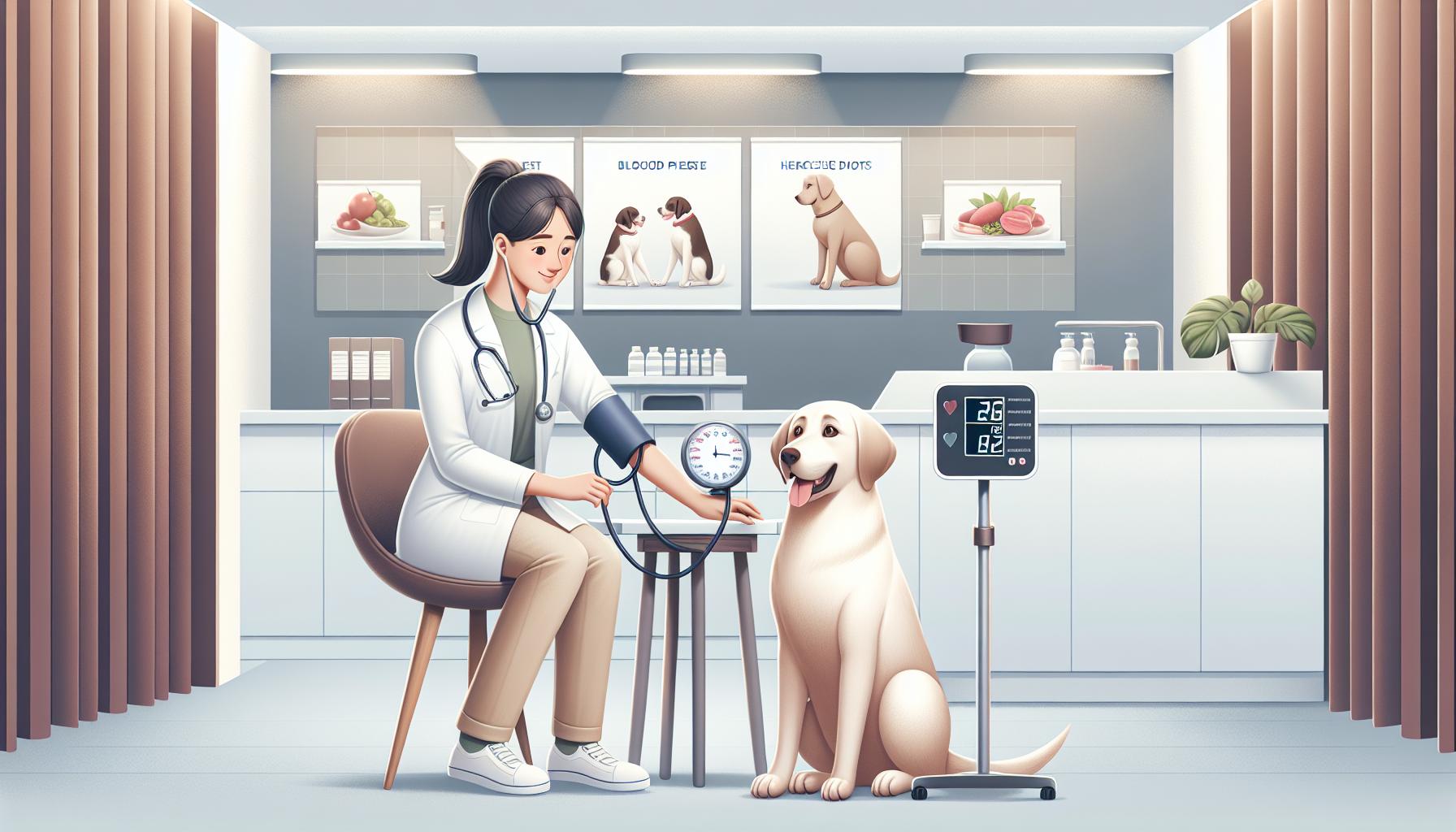
Common Causes of High or Low Blood Pressure in Dogs
Monitoring blood pressure in dogs is vital, as fluctuations can hint at various health conditions that might necessitate prompt action. High blood pressure, medically referred to as hypertension, can arise from a variety of factors, while low blood pressure, known as hypotension, often indicates other serious issues. Understanding these causes is essential for effective monitoring and management of your dog’s health.
Common Causes of High Blood Pressure
Hypertension can be a silent yet harmful condition that affects dogs. Some of the most prevalent causes include:
- Kidney Disease: Chronic kidney disease is one of the leading contributors to elevated blood pressure in dogs. The kidneys play a key role in regulating blood pressure, and any impairment can lead to dysfunction.
- Endocrine Disorders: Conditions like Cushing’s disease (hyperadrenocorticism) and hyperthyroidism can also elevate blood pressure. These disorders disrupt hormone regulation, which can cause increased blood vessel constriction.
- Heart Problems: Heart disease, including congestive heart failure, can lead to overworking the heart and raising blood pressure. Monitoring is crucial, as early intervention can prevent further complications.
- Obesity: Overweight dogs are at a higher risk for hypertension due to increased fat tissue, which requires more blood supply and puts extra pressure on blood vessels.
- Pain and Stress: Both chronic pain and psychological stress are significant contributors to transient high blood pressure. Regular stressors can trigger a spike during veterinary visits or unfamiliar situations.
Common Causes of Low Blood Pressure
Conversely, hypotension can occur in various situations, often indicating immediate medical concerns. Some frequent causes include:
- Shock: Conditions that lead to shock-such as severe infections (septicemia), traumatic injuries, or blood loss-can drastically lower blood pressure, threatening your dog’s life.
- Heart failure: Similar to its role in hypertension, heart failure can also cause hypotension, particularly if the heart is unable to pump effectively.
- Medication Side Effects: Certain medications, especially those used for anesthesia or treating heart conditions, can cause a drop in blood pressure as a side effect.
- Dehydration: Loss of fluids from vomiting, diarrhea, or inadequate water intake can lead to low blood volume and, thus, low blood pressure.
Understanding these common causes allows pet owners to recognize symptoms and seek veterinary care when necessary. Proactively managing your dog’s weight, monitoring their diet, and ensuring regular check-ups can contribute significantly to maintaining optimal blood pressure and overall health.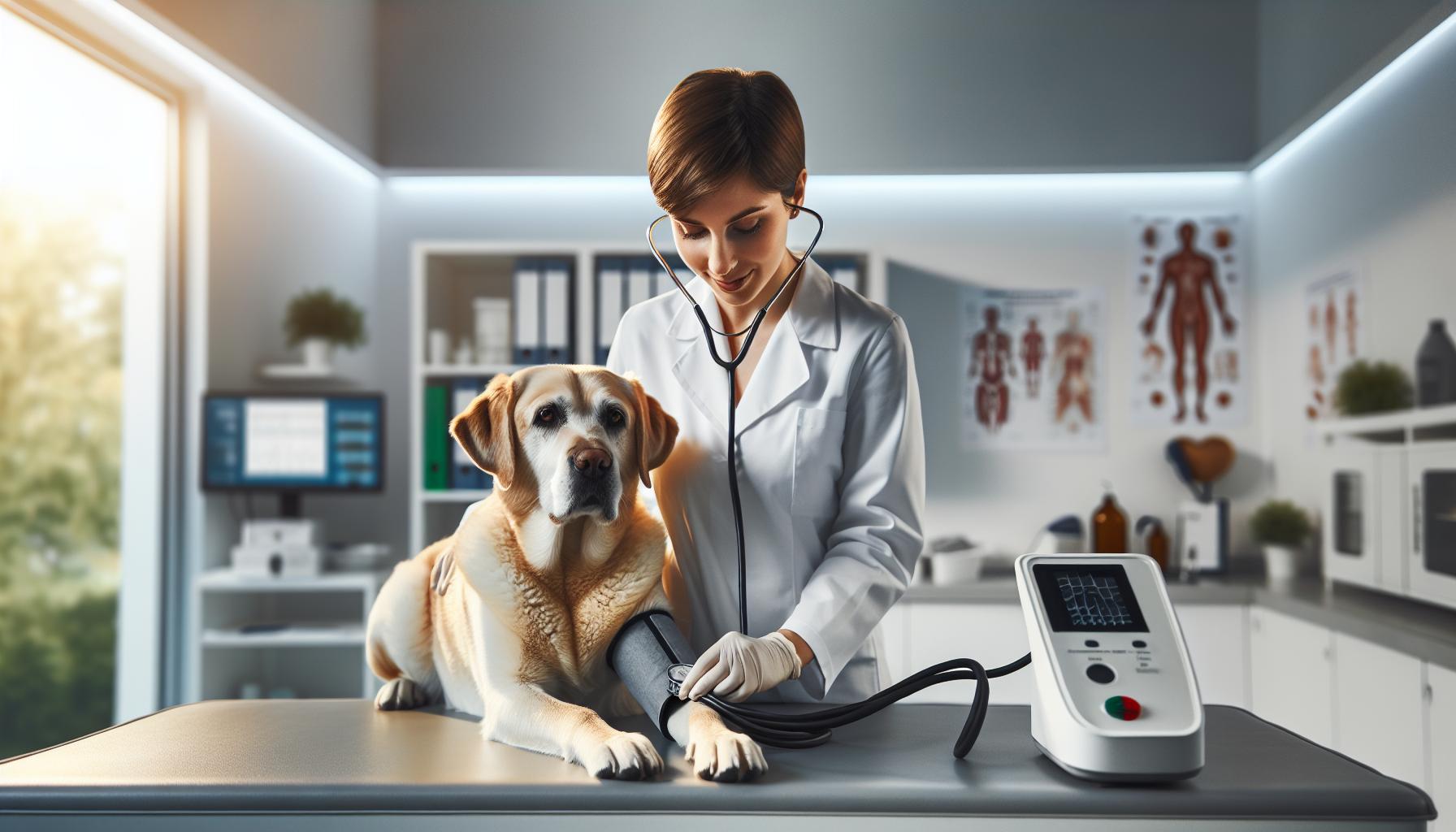
How to Prepare Your Dog for a Blood Pressure Measurement
Preparing your dog for a blood pressure measurement can significantly influence the accuracy of the results. It’s essential to create a calm environment, as stress can lead to temporary spikes in blood pressure, potentially skewing readings. Before the measurement, take time to familiarize your dog with the equipment, especially if it’s their first visit to the veterinarian for this type of assessment.
Start by ensuring that your dog is comfortable in a quiet space. If possible, let them explore the area where the measurement will take place, allowing them to adjust to any new sounds or smells. An excellent way to enhance their comfort level is to bring along a favorite toy or blanket. Additionally, after a short walk or playtime, your dog will likely be more relaxed, making it easier to take a reading.
During the measurement, your dog should be in a resting position, either lying down or sitting. If they’re anxious, gentle reassurances and light petting can help keep them still. It’s beneficial to practice basic commands like “sit” and “stay” leading up to the appointment. A well-trained dog is usually less anxious, making the procedure smoother.
Finally, make sure to discuss any medications your dog is currently taking with your veterinarian, as some medications can affect blood pressure readings. Being proactive in the preparation process not only ensures a successful measurement but also builds your dog’s confidence regarding veterinary visits, setting the stage for ongoing health monitoring.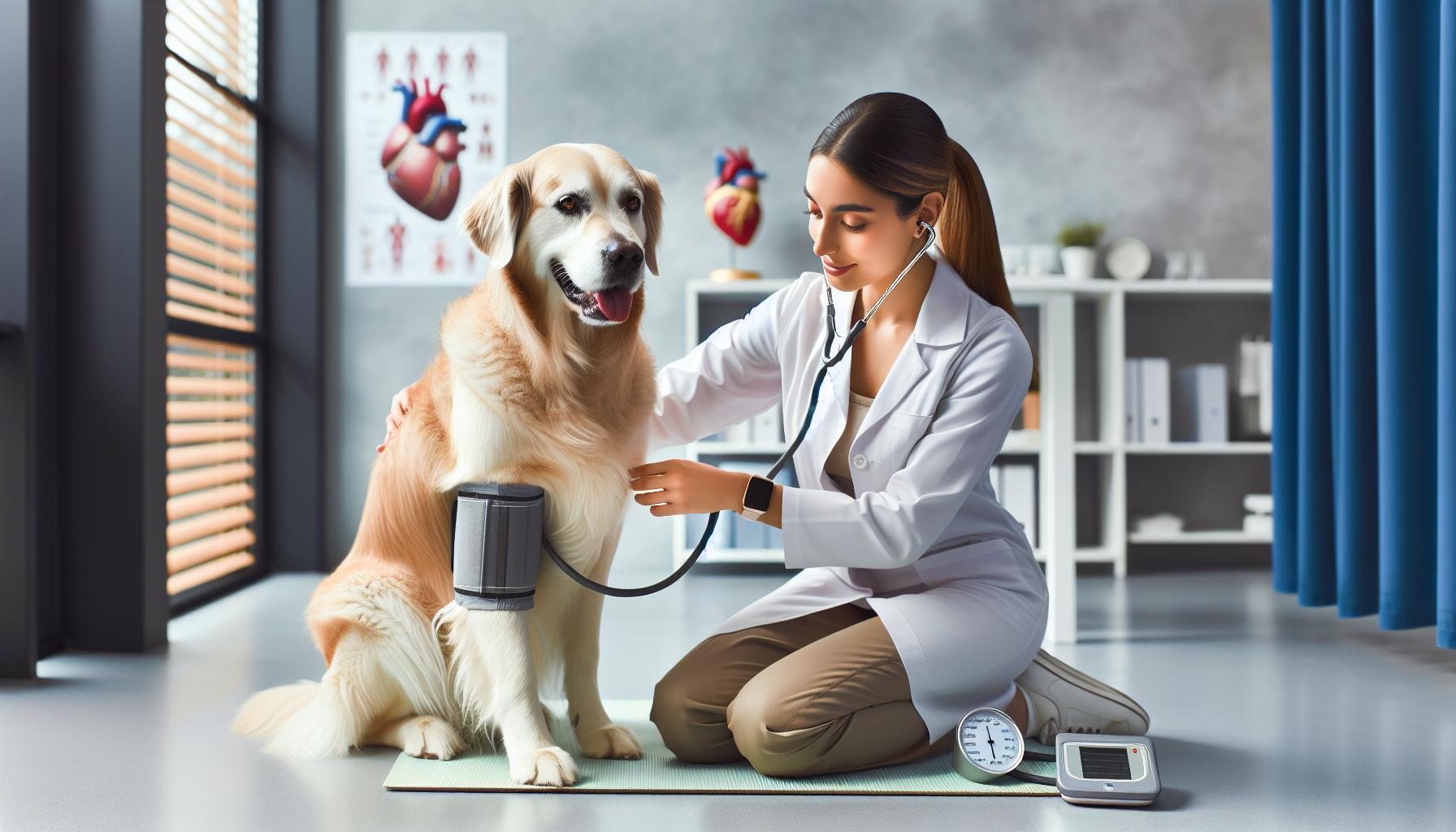
Step-by-Step Guide to Measuring Your Dog’s Blood Pressure
Measuring your dog’s blood pressure may seem daunting, but with the right approach and tools, it can be a straightforward process that significantly contributes to your pet’s health. Understanding the steps involved will empower you to monitor your dog’s well-being effectively and can help detect potential health issues early.
Begin by gathering the necessary equipment, which typically includes a sphygmomanometer (blood pressure cuff) designed for animals and a doppler ultrasound or oscillometric device for reading the blood flow. Ensure that the cuff is the appropriate size for your dog; a cuff that’s too tight or too loose can lead to inaccurate readings. Once you have your equipment ready, find a calm and comfortable environment. This is crucial, as a stress-free atmosphere will help achieve the most accurate results.
Step-by-Step Instructions
- Position Your Dog: Have your dog lie down or sit comfortably. Their leg should be at heart level, which is typically achieved by having them lay on their side.
- Apply the Cuff: Gently wrap the cuff around the dog’s foreleg or tail, ensuring it fits snugly but not too tightly. You should be able to fit two fingers underneath the cuff.
- Check for Comfort: Before starting the measurement, reassure your dog. Gently pet them to reduce any anxiety. If they appear restless, give them a moment to settle.
- Measure the Blood Pressure: Turn on the device and follow its specific instructions for reading the blood flow. For a doppler, you’ll listen for the pulse sound while inflating the cuff and slowly releasing the pressure; note the numbers when the pulse first appears (systolic) and disappears (diastolic).
- Record the Results: Take multiple readings (at least two or three) and calculate the average. This helps account for variability in readings caused by factors like stress or movement.
After completing the measurements, it’s essential to interpret the results accurately. Keep in mind that normal blood pressure values can vary depending on size, breed, and age. It’s often best to consult with your veterinarian to determine what normal looks like for your specific dog and to discuss any concerns based on the readings. Regular monitoring can help you stay on top of your pet’s health, allowing for early interventions when necessary.
Interpreting Your Dog’s Blood Pressure Readings
Understanding your dog’s blood pressure readings is crucial for ensuring their health and well-being. Just as in humans, blood pressure in dogs reflects the force of blood against the walls of their arteries and is essential for maintaining vital organ function. Typically, normal blood pressure readings for dogs range from 110 to 160 mmHg systolic (the top number) and around 60 to 100 mmHg diastolic (the bottom number); however, these values can significantly vary based on factors such as breed, size, and age.
To interpret your dog’s blood pressure readings, first, establish what is considered normal for your specific pet. Knowing your dog’s baseline can help you identify any deviations that may indicate potential health issues. For instance, a systolic reading consistently above 160 mmHg could indicate hypertension, which may lead to severe health complications if left untreated, such as kidney disease or heart problems. On the other hand, if readings consistently fall below 110 mmHg, it may suggest hypotension, which can result in fatigue, weakness, or even shock.
After measuring your dog’s blood pressure, it’s essential to take multiple readings to ensure accuracy, especially if there’s variation in the results. Stress can significantly affect blood pressure; thus, an average of two or three readings, taken under calm conditions, will provide a more accurate assessment. Mark these readings over time and observe for trends or patterns that may point to underlying issues. If you suspect any abnormalities or have concerns, consult your veterinarian for professional interpretation and guidance tailored to your dog’s unique health needs.
Monitoring your dog’s blood pressure at home can empower you to act quickly if you notice concerning changes. By staying informed and proactive, you can significantly contribute to your dog’s overall health and longevity.
At-Home Devices for Dog Blood Pressure Monitoring
Many pet owners may be surprised to learn that monitoring their dog’s blood pressure at home is not only possible but also highly beneficial for their furry companions. Just like humans, dogs can suffer from hypertension or hypotension, and knowing your pet’s blood pressure can be key in managing their overall health. Thankfully, several devices on the market cater specifically to canine patients, enabling owners to track these vital statistics conveniently in their home environment.
To successfully measure your dog’s blood pressure at home, consider investing in an automatic pet blood pressure monitor. These devices are designed to comfortably fit around your dog’s leg or tail and work much like those used in human medicine. Look for monitors that are specifically calibrated for dogs, as human devices may not give accurate results for your pet. When choosing a device, prioritize models that offer clear readings, ease of use, and positive reviews from other pet owners. Most quality monitors also come with instructional videos or guides to assist you in proper usage.
How to Use At-Home Blood Pressure Monitors
Once you’ve selected a suitable device, preparation is crucial. Ensure your dog is calm, as stress can elevate blood pressure readings. Create a peaceful environment, perhaps using familiar scents or gentle petting to relax your dog. Then, follow these general steps to obtain an accurate reading:
- Position Your Dog: Have your dog lie down calmly in a comfortable position.
- Apply the Cuff: Secure the cuff around your dog’s leg or tail snugly but not too tight, as this could cause discomfort.
- Activate the Device: Start the machine and allow it to take the reading, following the device’s instructions regarding timing and assessment.
- Record Multiple Readings: For the best results, take two or three readings one after the other and average them.
After conducting the blood pressure measurement, document the readings along with the date and any observations about your dog’s behavior during the process. By keeping a constant track of your dog’s blood pressure, you can identify trends and share this data with your veterinarian during regular check-ups, allowing for timely interventions if necessary.
Investing time and effort in monitoring your dog’s blood pressure can lead to early detection of potential health issues and better management of existing ones. With the right tools and a calm approach, you can empower yourself to take an active role in your dog’s wellness journey.
When to Consult Your Veterinarian About Blood Pressure
Monitoring your dog’s blood pressure at home is an empowering step in maintaining their health, but knowing when to involve your veterinarian is equally crucial. If you notice any significant fluctuations in your dog’s blood pressure readings-particularly if they fall outside the normal range (typically 120-150 mmHg for systolic pressure)-it’s essential to consult your vet. Persistently high readings could indicate hypertension, while extremely low readings may signal hypotension or other underlying health issues.
Pay attention to your dog’s behavior and physical condition as well. Sudden changes such as lethargy, excessive thirst, unexplained weight loss, or unusual irritability can all be signs that professional intervention is needed. If your at-home monitoring results ever suggest consistent abnormal readings, do not hesitate to seek veterinary advice to discuss possible evaluations and interventions. Your veterinarian can provide a thorough examination, potentially offering additional testing to understand the causes and necessary treatments for the issues at hand.
Regular check-ups with your veterinarian can complement at-home monitoring effectively. Establish a schedule based on your dog’s health needs, age, and any existing medical conditions. Routine veterinary visits are crucial for assessing your dog’s overall health status and ensuring any identified blood pressure abnormalities are managed correctly. Collaborating closely with your vet will empower you to make informed decisions regarding your dog’s health care and blood pressure management strategies.
Ultimately, being proactive in monitoring your dog’s blood pressure at home can lead to timely interventions, ensuring that your beloved pet remains healthy and active for years to come. Prioritizing communication with your veterinarian will help reinforce your efforts in maintaining your dog’s health and well-being.
Managing High Blood Pressure in Dogs: A Comprehensive Approach
Managing elevated blood pressure in dogs requires a holistic approach that combines medical intervention, dietary considerations, and lifestyle adjustments. Recognizing that hypertension can lead to severe health issues, including organ damage and heart disease, empowers pet owners to take proactive measures. The partnership between you and your veterinarian is essential in creating a tailored management plan that addresses your dog’s specific needs.
One of the first steps in managing high blood pressure is medication. Your veterinarian may prescribe antihypertensive medications to help lower blood pressure and prevent complications. Common medications include ACE inhibitors, calcium channel blockers, and diuretics. Regular follow-ups and monitoring are crucial as your veterinarian may adjust the dosage based on your dog’s response to treatment. It’s important to adhere to your vet’s instructions regarding medication schedules and possible side effects to ensure optimal safety and efficacy.
Diet and lifestyle changes can significantly impact your dog’s blood pressure. Implementing a low-sodium diet can prevent fluid retention and stress on the cardiovascular system. Consider incorporating fresh fruits and vegetables, such as carrots and blueberries, which provide essential nutrients while being low in sodium. Regular exercise is also vital; aim for moderate activities like daily walks to help maintain a healthy weight and improve circulation. However, it’s important to tailor activity levels to your dog’s age, breed, and health status to avoid overexertion.
Monitoring your dog’s blood pressure at home can enhance your management strategy. Using an appropriate blood pressure monitor designed for pets allows you to keep a close eye on fluctuations and promptly report any concerning changes to your veterinarian. Establish a routine measurement schedule, preferably at the same time each day, to track trends over time. Engage in this process as a team effort; provide positive reinforcement and calming techniques during measurements to reduce anxiety for both you and your pet.
In summary, managing high blood pressure in dogs involves a multifaceted approach that combines veterinary care, lifestyle changes, and at-home monitoring. By staying informed and proactive, you can significantly improve your dog’s quality of life and longevity. Always foster open communication with your veterinarian to adapt strategies as your dog’s health needs evolve. Remember, your diligence today can lead to a healthier tomorrow for your beloved companion.
Diet and Lifestyle Adjustments for Healthy Blood Pressure
Proper nutrition and a healthy lifestyle are fundamental in managing your dog’s blood pressure and overall health. Just as in human healthcare, diet plays a critical role in maintaining healthy blood pressure levels. Dogs, like people, can experience hypertension that can lead to serious health complications if not addressed. One effective way to combat this is by implementing dietary modifications and lifestyle enhancements tailored to your dog’s needs.
To start, an optimal diet for dogs dealing with high blood pressure should be low in sodium, as excessive salt can lead to fluid retention and increased blood pressure. Instead, focus on incorporating fresh fruits and vegetables that are naturally low in sodium but high in essential nutrients. Options such as carrots, green beans, and blueberries can be tasty treats that help support cardiovascular health. Additionally, you might consider integrating omega-3 fatty acids found in fish oils or certain seeds, which have been shown to improve heart health.
Exercise and Activity
Regular, moderate exercise is vital for maintaining a healthy weight and promoting heart health. Help your dog maintain an active lifestyle by establishing a routine that includes daily walks or playtime. To ensure that your dog benefits from physical activity, tailor the regimen to their age, breed, and health status. For instance, a younger dog may enjoy vigorous play, while an older or more fragile dog may require gentler, shorter walks. It’s essential to monitor your dog’s response to increased activity and adjust accordingly to prevent overexertion.
Incorporating relaxation techniques can also be beneficial. Stress reduction plays a role in lowering blood pressure; therefore, creating a calm environment with ample downtime can make a significant difference. Engage your dog in calming activities such as gentle petting, massage, or quiet time together. This not only strengthens your bond but also supports their emotional well-being.
By implementing these diet and lifestyle adjustments, you can play an active role in managing your dog’s blood pressure, ultimately enhancing their quality of life. Your proactive approach in monitoring and adjusting their diet and activity levels can lead to a happier, healthier companion. Always remember to consult with your veterinarian before making significant changes to your dog’s diet or exercise routine, ensuring that the choices you make are safe and aligned with their individual health needs.
What to Expect During a Professional Blood Pressure Check
When it comes to your dog’s health, understanding can alleviate anxiety and empower you to be an advocate for your furry friend. Blood pressure monitoring in canines is a crucial aspect of veterinary care, particularly for dogs diagnosed with conditions that may affect cardiovascular health. During this procedure, experienced veterinary professionals will utilize a specific technique and equipment designed for animals, ensuring an accurate assessment while minimizing discomfort.
Initially, your dog will be prepared for the check by being placed in a calm environment, which helps reduce stress and promote accurate readings. Veterinary staff may suggest a short wait in the exam room to allow your dog to acclimate to the surroundings. This preparation is vital, as a calm demeanor can significantly impact blood pressure results. To create a soothing atmosphere, consider bringing a favorite blanket or toy from home to help your dog feel more comfortable.
The actual measurement involves wrapping a cuff around your dog’s leg or tail, similar to the device used in human medicine. The cuff inflates to measure the blood flow and will gradually deflate while the technician listens for the heartbeat with a stethoscope. This process is generally quick, with readings taken at multiple times to ensure consistency. It’s important to note that while your dog may be slightly anxious during this procedure, experienced staff will ensure that the process is as gentle and non-invasive as possible.
Following the measurement, the veterinarian will discuss the results with you, explaining what the readings indicate regarding your dog’s health. They may also provide insights into the implications of the findings and recommend any necessary follow-up steps or treatments. Staying informed and involved in this process empowers you not only to understand your dog’s health better but also to make proactive decisions regarding their care. Remember, regular monitoring and communication with your vet are essential components of maintaining your dog’s well-being.
Frequently Asked Questions About Dog Blood Pressure Monitoring
Understanding how to monitor your dog’s blood pressure is essential for maintaining their overall health, especially if they have underlying conditions. Many pet owners have questions about the process, its importance, and what to expect. Here are some common inquiries that can help clarify your concerns.
What is the normal blood pressure range for dogs?
The typical blood pressure for dogs ranges between 110 and 150 mmHg for systolic pressure. Factors such as size, breed, and age can influence these numbers, so it’s important to discuss your dog’s specific baseline with your veterinarian.
How often should I monitor my dog’s blood pressure?
The frequency of blood pressure monitoring depends on your dog’s health status. For dogs with known hypertension or those on medication, regular checks (often every 3 to 6 months) are advisable. Healthy dogs may not require routine testing unless prompted by a vet’s recommendation.
Can I measure my dog’s blood pressure at home?
Yes, at-home monitoring is possible with the right equipment designed for canine usage. Devices such as an oscillometric monitor or Doppler ultrasound can provide accurate readings. Ensure you receive proper training from your veterinarian to achieve consistent results.
What symptoms indicate I should check my dog’s blood pressure?
Signs that might warrant a blood pressure check include excessive panting, lethargy, confusion, seizures, or unusual urination. If you notice these symptoms, consult your veterinarian promptly, as they may signal fluctuating blood pressure levels.
By addressing these FAQs, you can feel empowered to take an active role in your dog’s health care. Blood pressure monitoring is a critical aspect of veterinary medicine, and maintaining open communication with your veterinarian will help ensure your furry friend’s well-being.
Q&A
Q: How do I know if my dog needs a blood pressure check?
A: You should consider having your dog’s blood pressure checked if you notice signs such as excessive thirst, frequent urination, lethargy, or unexplained weight changes. Regular checks are also essential for dogs with pre-existing health conditions, as outlined in the article section on when to consult your veterinarian.
Q: What equipment is needed to measure a dog’s blood pressure at home?
A: To measure your dog’s blood pressure at home, you will need a specialized veterinary blood pressure monitor designed for pets, which typically includes an inflatable cuff and a digital readout. Refer to the relevant section on at-home devices for more detailed recommendations.
Q: Why is it important to measure my dog’s blood pressure regularly?
A: Regularly measuring your dog’s blood pressure helps detect health issues early, particularly hypertension or hypotension, which can indicate underlying conditions. This proactive approach is crucial for maintaining your dog’s overall health and aligns with the discussion on monitoring dog blood pressure basics.
Q: Can stress affect my dog’s blood pressure reading?
A: Yes, stress can significantly impact your dog’s blood pressure, potentially leading to temporary elevations known as “white coat syndrome.” It’s advisable to create a calm environment when measuring blood pressure to ensure more accurate readings, as discussed in the preparation section of the article.
Q: What should I do if my dog’s blood pressure is high?
A: If your dog’s blood pressure readings are high, consult your veterinarian for a proper diagnosis and recommended treatment options. Lifestyle adjustments, including diet and exercise changes, can also help manage hypertension, as outlined in the section on managing high blood pressure.
Q: How can I reduce my dog’s risk of developing high blood pressure?
A: To reduce your dog’s risk of developing high blood pressure, ensure they have a balanced diet, regular exercise, and routine veterinary check-ups. You’ll find additional strategies in the article’s section on diet and lifestyle adjustments for healthy blood pressure.
Q: Is blood pressure measurement safe for my dog?
A: Yes, measuring blood pressure is generally safe and non-invasive for dogs. The procedure is painless and quick. Read more about what to expect during a professional blood pressure check to understand the process better.
Q: What are the signs of low blood pressure in dogs?
A: Signs of low blood pressure in dogs may include weakness, lethargy, fainting, or cold limbs. If you suspect your dog is experiencing these symptoms, consult your veterinarian immediately for evaluation and potential treatment strategies.
To Wrap It Up
Monitoring your dog’s blood pressure is crucial for their overall health, and understanding this process empowers you to take proactive steps in managing your pet’s wellbeing. If you’re ready to make blood pressure checks a regular part of your pet care routine, consider investing in a reliable home monitoring kit to ensure comfort and accuracy. For further insights, explore our guides on Dog Health Essentials and Best Practices for Vet Visits.
Don’t hesitate to share your experiences or questions in the comments-your input can help fellow pet owners. If you found this guide helpful, subscribe to our newsletter for the latest tips on pet health and wellness. Remember, staying informed is key to providing the best care for your furry friend. Explore more about maintaining a healthy lifestyle with our articles on preventing canine obesity and understanding dog behavior. Your journey toward better pet health starts now!


