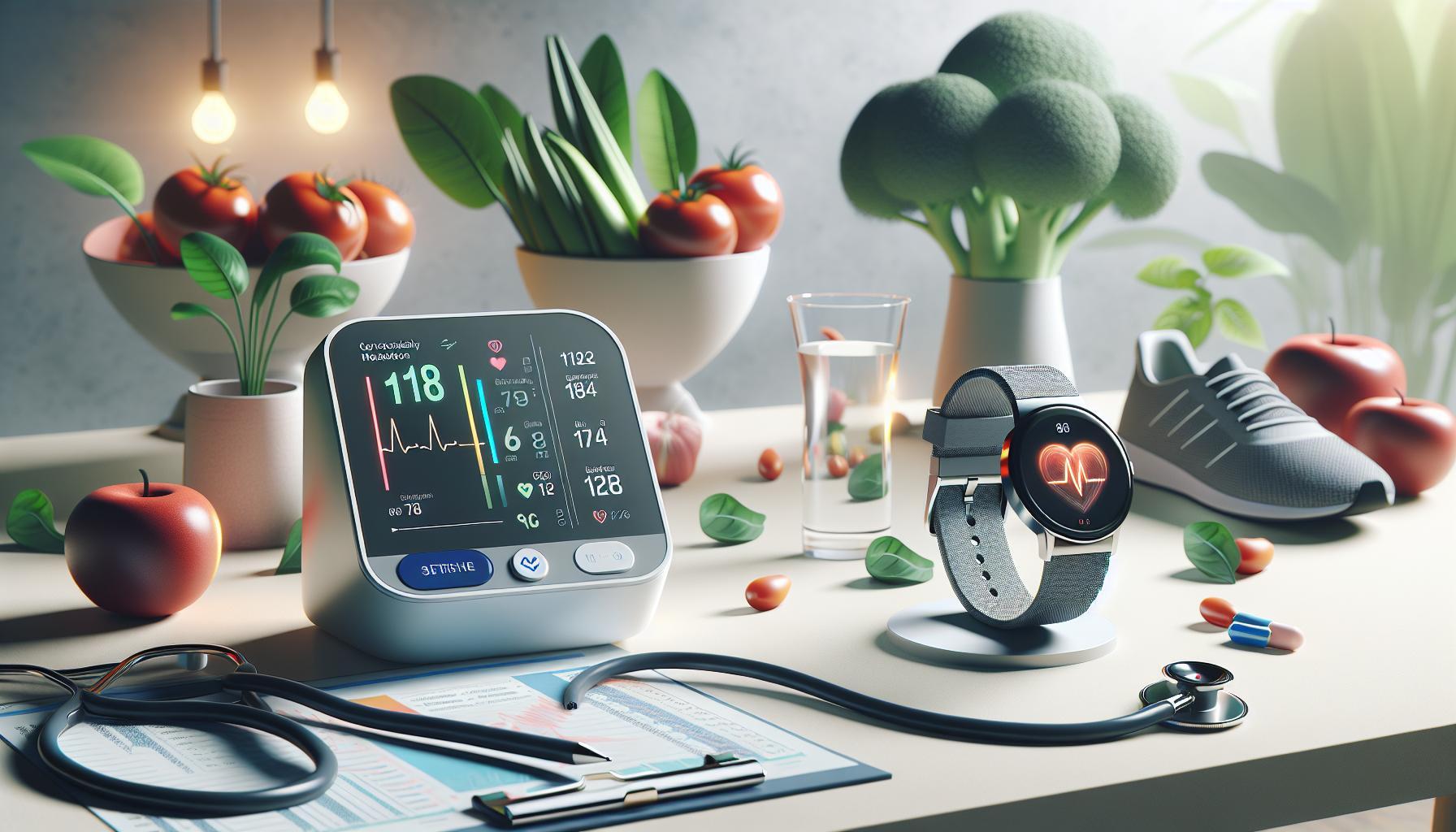

Did you know that nearly half of all adults in the United States have high blood pressure, often without realizing it? Understanding your blood pressure numbers, such as 118 over 78, is crucial for maintaining your health and preventing serious conditions like heart disease and stroke.
This article delves into what these numbers mean and why they matter. Whether you’re monitoring your health or just curious about your readings, grasping the implications of such values can empower you to make informed lifestyle choices. Join us as we explore the significance of blood pressure management and what it takes to achieve and maintain a healthy range.
Understanding Blood Pressure Numbers Explained
Monitoring your blood pressure is crucial for maintaining overall health, as it can reveal important insights into your cardiovascular status. Each reading consists of two numbers: systolic (the pressure in your arteries when your heart beats) and diastolic (the pressure when your heart is at rest). A reading of 118/78 mmHg is generally considered to be within the normal range, indicating that your blood flow is stable, and your heart is working efficiently.
Understanding what these numbers mean starts with recognizing the categories established by health authorities. According to the American Heart Association, normal blood pressure is typically defined as being below 120/80 mmHg. Therefore, a reading of 118/78 falls into this category, suggesting a healthy blood pressure level. It’s important to note that individual factors, such as age, weight, and overall health, can influence your ideal blood pressure range, so context matters.
Maintaining good blood pressure is vital, as both high and low readings can have serious health implications. For those with persistently high blood pressure, often termed hypertension, there are increased risks of heart disease and stroke. Conversely, low blood pressure can lead to dizziness and fainting. To support healthy blood pressure levels, regular monitoring is essential, as it can help you and your healthcare provider identify any concerning trends early.
Additionally, various lifestyle factors can impact your blood pressure, ranging from diet and exercise to stress management. Incorporating potassium-rich foods, maintaining a balanced diet, engaging in regular physical activity, and practicing relaxation techniques can help manage blood pressure effectively. Be proactive in your approach-monitor your readings regularly, speak with your healthcare provider about your numbers, and make informed lifestyle choices to maintain your well-being.
What Does a Reading of 118/78 Mean?
A reading of 118/78 mmHg speaks volumes about your cardiovascular health. This measurement consists of two key numbers: the systolic pressure (118) and the diastolic pressure (78). Systolic pressure indicates the force of blood against the artery walls when the heart beats, while diastolic pressure measures it when the heart rests between beats. Together, these numbers provide a snapshot of how efficiently your heart is functioning and how well your blood vessels handle the flow of blood.
Being within the normal range, a 118/78 mmHg reading suggests that your blood pressure is optimal. According to the American Heart Association, normal blood pressure is classified as anything below 120/80 mmHg. This means your body is circulating blood effectively, delivering oxygen and nutrients to tissues while efficiently removing waste products. It’s crucial to understand that while this reading is considered healthy, what constitutes “normal” can vary from person to person based on factors such as age, weight, and overall health condition.
Monitoring your blood pressure is essential not just for evaluating your current state but also for predicting future health scenarios. Consistently maintaining healthy levels reduces the risk of developing hypertension, which can lead to serious complications such as heart disease and stroke. Hence, recognizing the significance of your readings keeps you informed about your cardiovascular status and encourages you to take proactive steps in health management.
To maintain or improve your blood pressure, consider incorporating evidence-based lifestyle modifications. Regular exercise, a balanced diet rich in fruits, vegetables, and whole grains, and stress-reduction techniques can significantly benefit your blood pressure readings. Remember, every time you monitor your blood pressure, you’re not just checking a number; you’re taking an active role in your health journey. Prioritize these readings, stay informed, and collaborate with your healthcare provider to ensure long-term health and wellbeing.
Is 118/78 Considered Normal Blood Pressure?
A reading of 118/78 mmHg is a compelling indicator of your cardiovascular health and is widely regarded as normal and optimal. This classification is based on guidance from health authorities, including the American Heart Association, which defines normal blood pressure as anything below 120/80 mmHg. This particular reading not only suggests that your heart is functioning efficiently but also that your blood vessels are effectively handling the flow of blood, delivering vital nutrients and oxygen throughout your body while removing waste efficiently.
Understanding and interpreting these numbers can empower you to take control of your cardiovascular wellness. Systolic pressure, the first number (118), measures the pressure in your arteries when your heart beats, while diastolic pressure, the second number (78), gauges the pressure when your heart rests between beats. This balance is crucial; even a small increase in systolic or diastolic pressure can indicate shifts that may affect your long-term health.
Maintaining a reading within this range is a significant goal for many and can be achieved with proactive health management. Emphasizing lifestyle choices such as regular exercise, a diet rich in whole foods, and stress management can all contribute to maintaining blood pressure within the normal range. By monitoring your blood pressure regularly and discussing your readings with your healthcare provider, you can assure a comprehensive approach to your cardiovascular health. Consider using a blood pressure monitor at home and keep a log of your readings to track changes over time, reinforcing the importance of your commitment to health.
The Importance of Monitoring Blood Pressure
Monitoring blood pressure is crucial for maintaining overall health and preventing serious conditions. Every time you check your blood pressure, you’re making a proactive choice to understand your cardiovascular health. Consistent monitoring can reveal trends that might go unnoticed during routine check-ups, allowing for early intervention if issues begin to arise. For instance, a shift from a normal reading like 118/78 mmHg to elevated levels can signal the need for lifestyle changes or medical advice. Recognizing these changes in real-time can empower you to take charge of your health rather than waiting for a potentially adverse event.
It’s essential to establish a regular schedule for checking your blood pressure, especially if you have risk factors such as a family history of hypertension, obesity, or a sedentary lifestyle. Consider integrating blood pressure checks into your daily routine, perhaps during the morning alongside other health practices like taking vitamins or preparing for the day. Use a reliable blood pressure monitor and ensure you’re in a calm environment, as stress and activity can alter your readings. Record these numbers to identify patterns or sudden changes; this data can provide valuable insights when discussing your health with your physician.
Making your blood pressure monitoring part of an overall healthy lifestyle can lead to positive outcomes. Individuals who actively engage in their health management often report more significant satisfaction and success in achieving their health goals. Combine monitoring with other strategies such as maintaining a balanced diet low in sodium, regular physical activity, and stress-reduction techniques like meditation or yoga. These approaches not only help to maintain normal blood pressure but also enhance overall well-being. By staying informed and engaged in your health journey, you’re taking a critical step toward preventing complications related to high or low blood pressure.
Comparing Blood Pressure Categories: What You Need to Know
Understanding your blood pressure numbers is essential for maintaining optimal health and preventing serious health issues. Blood pressure readings are categorized into distinct ranges that help you and your healthcare provider assess your cardiovascular health effectively. Each category provides insight into your risk for conditions such as heart disease and stroke, guiding necessary lifestyle changes and interventions.
Blood Pressure Categories
Blood pressure is measured in millimeters of mercury (mm Hg) and reported with two numbers: systolic (the pressure in your arteries when your heart beats) over diastolic (the pressure when your heart rests between beats). Here’s a breakdown of the categories set by health authorities:
- Normal: Less than 120/80 mm Hg
- Elevated: Systolic 120-129 and diastolic less than 80 mm Hg
- Hypertension Stage 1: Systolic 130-139 or diastolic 80-89 mm Hg
- Hypertension Stage 2: Systolic 140 or higher or diastolic 90 or higher
- Hypertensive Crisis: Systolic higher than 180 and/or diastolic higher than 120 (requires immediate medical attention)
Given these categories, a reading of 118/78 mm Hg is classified as normal, which is reassuring. However, it’s crucial to recognize that maintaining this status requires ongoing awareness and monitoring.
The Importance of Context
While knowing your numbers is vital, context is equally important. Factors such as age, overall health, and medical history play significant roles in interpreting your blood pressure. For instance, a gradual increase from a normal reading like 118/78 to the elevated range could indicate lifestyle changes are necessary to mitigate potential risks. Regular monitoring can help detect these shifts early, allowing you to take proactive steps before reaching more concerning categories.
Incorporating lifestyle modifications such as a healthy diet, regular physical activity, and stress management can significantly impact your blood pressure. Aim for a balanced intake of fruits, vegetables, whole grains, and lean proteins, while minimizing salt and processed foods. By understanding blood pressure categories and their implications, you empower yourself to make informed health decisions that foster long-term well-being.
Factors Influencing Your Blood Pressure Readings
Understanding the elements that influence blood pressure readings can empower you to maintain your health proactively. Blood pressure is not just a product of genetics; it is affected by a multitude of factors that can fluctuate daily or even hourly. For instance, stress levels, a vital determinant in blood pressure fluctuations, can cause temporary spikes by triggering the release of hormones such as adrenaline. Engaging in relaxation techniques like deep breathing or meditation can help counteract these effects, promoting a healthier blood pressure.
Diet and nutrition are pivotal as well. Consuming a diet rich in fruits, vegetables, whole grains, and lean proteins while minimizing sodium intake can keep readings within the normal range. For example, the DASH (Dietary Approaches to Stop Hypertension) diet specifically targets lowering blood pressure through nutrient-rich foods. Staying hydrated is also important; dehydration can lead to increased blood viscosity, which may elevate blood pressure.
Physical activity plays a critical role in blood pressure management. Regular exercise strengthens the heart and improves blood circulation, often resulting in lower systolic and diastolic readings. Aim for at least 150 minutes of moderate aerobic activity or 75 minutes of vigorous exercise each week. Moreover, factors like alcohol intake and tobacco use can adversely affect your blood pressure. Moderation in alcohol consumption and cessation of smoking are crucial for maintaining healthy readings.
Finally, sleep quality significantly influences blood pressure. Poor sleep or conditions like sleep apnea can elevate blood pressure, highlighting the need for good sleep hygiene. Aim for 7-9 hours of quality sleep each night, and consider speaking with a healthcare provider if you suspect sleep disorders. Understanding these influences allows you to make lifestyle changes that promote long-term cardiovascular health.
Lifestyle Changes for Healthy Blood Pressure
Staying in the target range for blood pressure can be empowering and protective against cardiovascular diseases. A reading like 118/78 mmHg is generally considered normal, which sets the stage for adopting lifestyle changes that promote long-term heart health. By embracing specific habits and making informed choices, you can not only maintain your blood pressure but also enhance your overall well-being.
- Eat a Heart-Healthy Diet: Focus on a diet rich in fruits, vegetables, whole grains, and low-fat dairy while minimizing saturated fats and sodium. The DASH diet is particularly effective, as it emphasizes nutrient-rich foods that support vascular health.
- Stay Physically Active: Aim for at least 150 minutes of moderate aerobic exercise each week. Activities like brisk walking, swimming, or cycling can help lower blood pressure by strengthening your heart and improving blood flow.
- Manage Stress: Stress is a significant contributor to high blood pressure. Incorporating relaxation techniques such as yoga, meditation, or even simple deep-breathing exercises can greatly enhance your resilience and regulate your blood pressure.
- Limit Alcohol and Tobacco: If you drink, do so in moderation-up to one drink per day for women and two for men. Quitting tobacco completely can significantly lower your risk of heart disease.
Sleep Hygiene is crucial for managing blood pressure. Aim for 7 to 9 hours of quality sleep each night. Poor sleep can elevate blood pressure and foster other health issues, so consider establishing a calming bedtime routine and minimizing screen time before bed.
Taking proactive control of your lifestyle can greatly influence your blood pressure numbers. Small, consistent changes can make a significant difference in your heart health over time, instilling a sense of empowerment as you monitor your progress.
Symptoms of High or Low Blood Pressure
High and low blood pressure can manifest through various symptoms, often indicating underlying health issues that need attention. Understanding these symptoms empowers individuals to take proactive steps in managing their heart health. For those with high blood pressure, or hypertension, symptoms may sometimes be subtle or absent entirely, leading to the condition being labeled as a “silent killer.” However, when symptoms do appear, they may include:
- Headaches: Particularly intense or persistent headaches can be a warning sign of elevated blood pressure.
- Shortness of Breath: Experiencing difficulty in breathing during routine activities can indicate high blood pressure affecting heart and lung function.
- Nosebleeds: While not common, frequent nosebleeds can be a red flag for dangerously high blood pressure.
- Flushing: Sudden reddening of the face or neck may occur in response to heightened blood pressure levels.
- Dizziness or Blurred Vision: Feeling faint or experiencing visual disturbances can signal a hypertensive episode.
Conversely, low blood pressure, known as hypotension, can also lead to concerning symptoms. In many instances, low blood pressure might not pose an immediate risk, but when it results in inadequate blood flow to vital organs, it can lead to serious complications. Common signs include:
- Dizziness or Lightheadedness: This may occur especially when standing up quickly, indicating insufficient blood flow.
- Fatigue: Chronic fatigue can often accompany low blood pressure, leaving individuals feeling lethargic.
- Fainting: A sudden loss of consciousness can be alarming and is a clear sign that professional medical evaluation is needed.
- Dehydration: Symptoms such as excessive thirst, reduced urination, and dark-colored urine can indicate low blood pressure due to inadequate fluid levels.
Monitoring your blood pressure regularly is vital for identifying these symptoms early. If you notice any troubling signs-whether of high or low blood pressure-it’s essential to consult a healthcare professional for tailored advice and treatment options. Implementing lifestyle changes, such as maintaining a balanced diet, practicing stress management, and exercising regularly, can help stabilize your blood pressure and promote overall health. Prioritizing awareness and understanding of how your body reacts to blood pressure fluctuations leads to better health outcomes and a more empowered approach to personal wellness.
How to Accurately Measure Your Blood Pressure
Accurate blood pressure measurement is essential for maintaining heart health and understanding your cardiovascular status. A common home measurement method involves using a digital blood pressure monitor, which provides an easy and efficient way to track your numbers. To ensure you obtain the most accurate reading, it’s crucial to follow specific guidelines closely.
Start by choosing the right environment for measuring your blood pressure. Find a quiet space where you can sit comfortably without distractions. Before taking your reading, sit quietly for about five minutes to allow your body to relax. During this time, keep your feet flat on the floor and your back supported. It’s best to position your arm at heart level, resting it on a table or armrest.
When you’re ready to measure, use a cuff that fits your arm properly, as an incorrectly sized cuff can lead to inaccurate readings. Wrap the cuff around your upper arm, ensuring it’s snug but not too tight. Follow the instructions on your device carefully, whether it requires pressing a button or simply remaining still as it inflates. For the best results, take two or three measurements a minute apart and average the readings to get a more precise understanding of your blood pressure.
After recording your numbers, note down the date, time, and any relevant factors that might influence your reading-such as physical activity, caffeine consumption, or stress levels. Keeping a log of your measurements helps you track changes over time, providing valuable information for discussions with your healthcare provider. If you notice consistent irregularities or your readings are outside the normal range (like 118/78), consult a healthcare professional for tailored advice and management strategies.
When to Consult a Healthcare Professional
Monitoring your blood pressure is essential for maintaining overall health, particularly because many people do not experience symptoms until a serious issue arises. If you consistently measure your blood pressure and notice that readings like 118/78 pop up regularly, you’re likely doing well, but this doesn’t mean you should neglect to consult a healthcare professional. Regular check-ups are crucial, particularly if your blood pressure readings fluctuate or deviate from your usual numbers.
You should reach out to a healthcare provider if your readings regularly exceed 130/80 mmHg, which indicates hypertension, or if you experience readings below 90/60 mmHg, signaling potential hypotension. Beyond the numbers, it’s important to consider factors such as lifestyle changes, stress, diet, and any underlying health conditions that may affect your blood pressure. Pay special attention to symptoms like severe headaches, chest pain, or unusual shortness of breath, which warrant immediate medical attention.
H3: Key Questions to Consider
When is it time to consult a healthcare professional? Here are some questions to guide your decision:
- Are your readings consistently above 120/80 mmHg?
- Do you experience symptoms such as dizziness, fainting, or severe headaches?
- Have you made lifestyle changes that are not improving your numbers?
- Is there a family history of heart disease or hypertension that you should consider?
Seeing a healthcare provider can help provide clarity on your blood pressure management, including necessary lifestyle adjustments and potential treatments. Don’t wait for symptoms to escalate; proactive engagement with your health ensures that you keep your blood pressure in check and maintain long-term well-being. Working together with your healthcare professional, you can devise an effective plan tailored to your individual needs, promoting a heart-healthy life.
Long-term Implications of Unmanaged Blood Pressure
Unmanaged blood pressure can have serious long-term repercussions on your health, often quietly eroding vital body functions without immediate symptoms. Over time, consistently high blood pressure (hypertension) can lead to life-altering conditions such as heart disease, stroke, and kidney failure. It’s alarming to note that high blood pressure contributes to approximately half of all heart disease cases, emphasizing the critical need for regular monitoring and proactive management.
When blood pressure remains elevated, it places undue strain on the arteries, causing them to thicken and stiffen-a condition known as arteriosclerosis. This not only narrows blood vessels but also increases the risk of plaque buildup, which can completely block blood flow. Such blockages are a direct pathway to heart attacks and strokes, which often strike without warning. Conversely, low blood pressure (hypotension), though less common, can also lead to serious conditions like shock or organ dysfunction, underscoring the importance of maintaining a balanced and monitored blood pressure range.
Regular monitoring can guide you to recognize trends in your blood pressure readings, allowing you to implement timely interventions. Lifestyle modifications-such as adopting a heart-healthy diet rich in fruits, vegetables, whole grains, and lean proteins-play a crucial role in blood pressure management. Exercise, weight management, and stress reduction techniques also significantly contribute to maintaining optimal levels. Remember, it’s not just about avoiding high numbers; it’s also about fostering overall heart health to prevent future complications.
Taking control of your blood pressure doesn’t have to feel overwhelming. Start by tracking your readings regularly and discussing any concerns with a healthcare professional. Together, you can develop a tailored action plan, ensuring that you’re on the path to a healthier, longer life. Empower yourself with the knowledge and tools necessary for effective management-small changes can lead to significant long-term health benefits.
Tools and Devices for Blood Pressure Monitoring
Regular monitoring of blood pressure is crucial for maintaining cardiovascular health, and having the right tools makes this process easier and more accurate. Understanding which devices to use can empower you to take proactive steps in managing your levels effectively. While a healthcare provider’s assessment is invaluable, many options are available for home monitoring that deliver convenience and reliability.
Types of Blood Pressure Monitors
There are primarily two types of blood pressure monitors used at home: manual and automatic. Automatic monitors, typically wrist or upper arm models, inflate themselves and display readings digitally. They are user-friendly, requiring minimal effort, which is beneficial for individuals who may struggle with the manual technique. Manual monitors, on the other hand, require you to inflate the cuff manually and use a stethoscope to listen for heartbeats. While they may offer higher accuracy in trained hands, they can be more challenging to use without practice.
Choosing the Right Device
When selecting a blood pressure monitor, consider factors such as ease of use, accuracy, and your specific health needs. Here are some key features to look for:
- Cuff Size: Ensure the monitor comes with a cuff that properly fits your arm or wrist to obtain accurate readings.
- Memory Function: Many modern monitors can store previous readings, making it easier to track changes over time.
- Portability: If you travel frequently, a compact, battery-operated device can help you maintain your monitoring routine.
- Validation: Look for devices that have been validated for accuracy by health organizations.
How to Accurately Measure Your Blood Pressure
Proper technique is essential for obtaining accurate readings. Here are steps to follow:
- Prepare Yourself: Rest for at least five minutes before measuring. Avoid caffeine or exercise immediately prior.
- Positioning: Sit in a comfortable chair with your back supported and feet flat on the ground. Your arm should be at heart level.
- Apply the Cuff: Wrap the cuff snugly around your upper arm, just above the elbow, ensuring it’s not too tight, yet fits securely.
- Take the Reading: Follow the prompts on an automatic device or use the stethoscope and bulb to inflate the cuff if using a manual one.
- Record Measurements: Note both systolic and diastolic readings and repeat the measurement after a few minutes to confirm consistency.
By incorporating regular blood pressure monitoring into your health routine, you can actively engage in your cardiovascular health management. Tools for monitoring provide invaluable insights, enabling you to identify patterns and make necessary lifestyle adjustments in collaboration with healthcare professionals. Taking charge of your blood pressure is a critical step towards a healthier life.
Q&A
Q: What is considered a good blood pressure reading?
A: A good blood pressure reading is typically around 120/80 mmHg. A reading of 118/78 mmHg is generally regarded as optimal, indicating normal and healthy blood pressure. Regular monitoring is important to maintain these levels [[1]].
Q: How can I maintain healthy blood pressure levels?
A: Maintaining healthy blood pressure involves a balanced diet, regular exercise, managing stress, and avoiding excessive salt intake. Incorporating foods rich in potassium and practicing relaxation techniques also support optimal blood pressure. Refer to the section on lifestyle changes for more detailed strategies [[1]].
Q: What lifestyle changes can affect my blood pressure?
A: Key lifestyle changes that can positively influence blood pressure include engaging in regular physical activity, eating a heart-healthy diet, reducing alcohol consumption, quitting smoking, and managing stress. Implementing these changes can help sustain healthy blood pressure levels [[1]].
Q: Why is monitoring blood pressure important?
A: Monitoring blood pressure is crucial for early detection of potential health issues, like hypertension or heart disease. Routine checks help in tracking changes and managing them proactively, reducing risks associated with long-term elevated blood pressure [[1]].
Q: When should I consult a healthcare professional about my blood pressure?
A: You should consult a healthcare professional if your readings consistently exceed 130/80 mmHg or if you experience symptoms like headaches, dizziness, or fatigue. They can help determine a tailored management plan[[1]].
Q: Can stress influence blood pressure readings?
A: Yes, stress is known to cause temporary spikes in blood pressure. Chronic stress can lead to long-term hypertension. Techniques such as mindfulness, exercise, and adequate sleep can help manage stress levels effectively [[1]].
Q: How often should I check my blood pressure?
A: It’s recommended to check your blood pressure at least once a month if you have normal readings, and more frequently if you have a history of hypertension. Regular monitoring helps in maintaining awareness and controlling blood pressure levels [[1]].
Q: What role does diet play in blood pressure management?
A: Diet plays a vital role in blood pressure management. Consuming a diet rich in fruits, vegetables, whole grains, and low-fat dairy while limiting saturated fats and sodium can significantly improve your blood pressure readings [[1]].
To Wrap It Up
Understanding your blood pressure is essential for your overall health. A reading of 118/78 is often considered favorable, but it’s crucial to monitor fluctuations and consult with your healthcare provider for personal insights. Take action today: check out our guides on maintaining healthy blood pressure and lifestyle changes that can support your cardiovascular health.
Don’t hesitate to explore our related articles on recognizing signs of hypertension and effective management strategies. Subscribe to our newsletter for the latest health tips or schedule a consultation to discuss your blood pressure concerns in depth. Your journey to better health starts now-let’s navigate it together for a brighter, healthier future!