


Monitoring your blood pressure at home is essential for maintaining good health, especially if you’re at risk for hypertension. Knowing how to properly put on a blood pressure cuff can significantly impact the accuracy of your readings, allowing for more effective management of your health. Many people struggle with this process, leading to confusion or incorrect measurements that may hinder their understanding of their cardiovascular health.
In this step-by-step guide, you’ll learn the correct way to apply a blood pressure cuff, ensuring you get reliable results every time. With clear instructions and expert insights, you’ll gain the confidence to take your readings accurately, empowering you to actively participate in your health management. By mastering this simple yet crucial skill, you can take a proactive step toward better health and well-being. Let’s dive into the details and help you get started!
How to Choose the Right Blood Pressure Cuff Size
Choosing the correct blood pressure cuff size is essential for obtaining accurate readings. A cuff that is too small can yield artificially high blood pressure measurements, while one that is too large may underestimate blood pressure levels. This discrepancy can lead to misdiagnosis or inappropriate treatment of conditions like hypertension. Understanding the importance of proper cuff sizing empowers individuals to monitor their health accurately and confidently.
To select the right cuff size, first measure the circumference of your arm at the midpoint between the shoulder and elbow. Most cuffs are designed with specific sizes correlating to arm circumference, ranging from small (20-25 cm) to large (32.1-40 cm) and even larger sizes. It’s crucial to choose a cuff that fits snugly but not uncomfortably. The American Heart Association recommends that the cuff bladder width should cover 40% of the arm circumference, while its length should cover 80% of the arm circumference for optimal results[1[1][3[3].
When using an automated device, ensuring the correct cuff size can significantly impact the accuracy of your readings. Studies have shown that utilizing a regular BP cuff size for all individuals without considering their arm size can lead to markedly inaccurate results[2[2]. Regular monitoring with the correct cuff size not only provides reliable data but also helps in effective management of blood pressure over time. Always refer to manufacturer guidelines for the specific cuff sizes and associated measurements to maintain consistency in your readings and enhance your understanding of your overall health.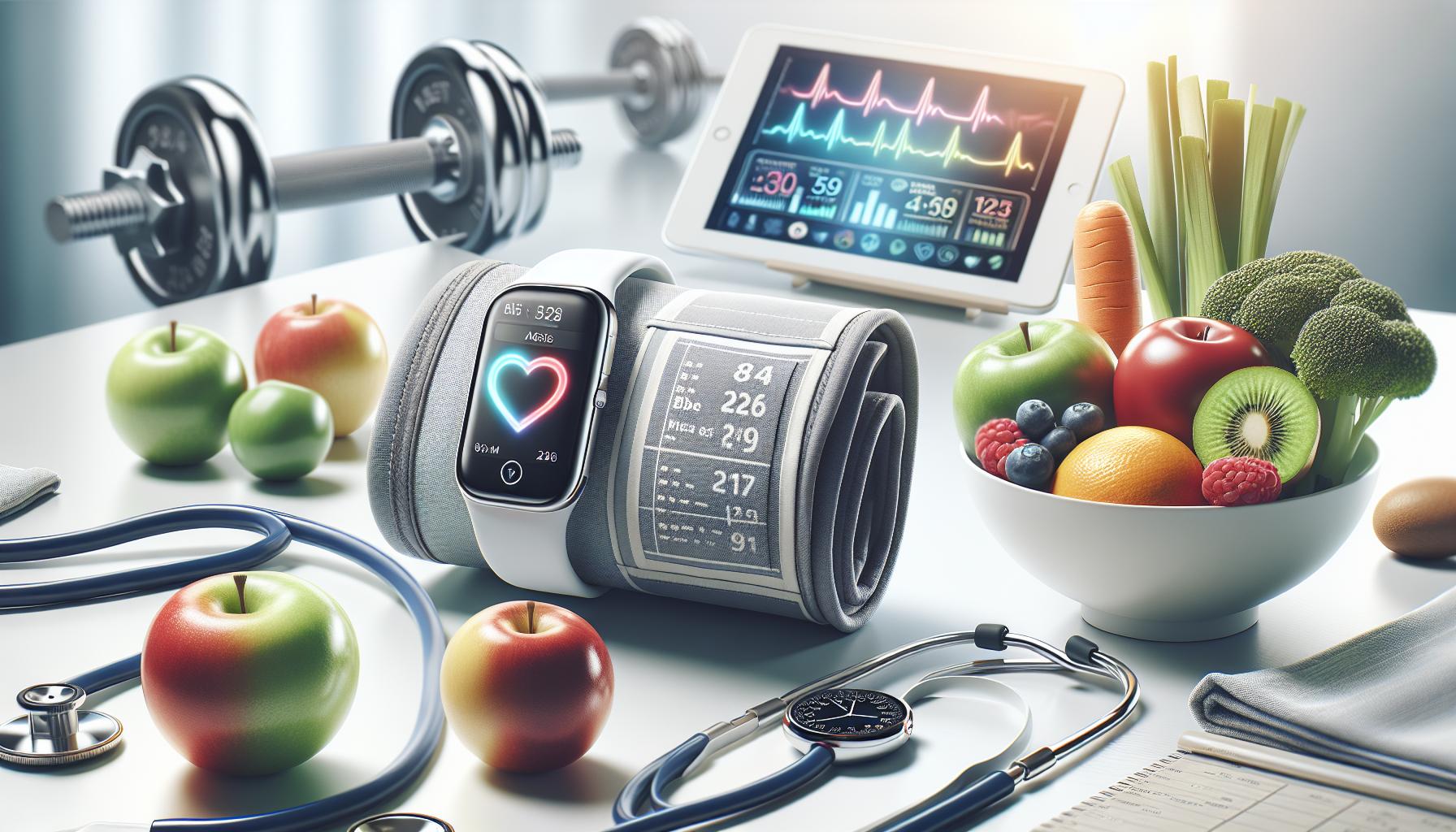
Preparing for Blood Pressure Measurement
To achieve accurate blood pressure measurements, preparation is key. Many people underestimate the importance of the environment and their physical state prior to measuring blood pressure. For instance, being relaxed and calm can lead to more reliable readings. It’s advisable to sit quietly for at least five minutes before beginning the measurement, allowing your body to stabilize. Ensure that you’re seated comfortably with your back supported and your feet flat on the ground.
It’s essential to select a suitable time for measurement. Blood pressure can fluctuate throughout the day; hence, readings should be taken at the same time daily for consistency. Avoid caffeine, nicotine, and strenuous exercise at least 30 minutes before measuring, as these can artificially elevate blood pressure. Wearing loose-fitting clothing can help ensure that the cuff is placed correctly and securely around your arm, allowing for an unobstructed measurement.
Final Preparations
Before applying the blood pressure cuff, double-check that the device is functioning properly and that the cuff is appropriate for your arm size. If using a manual sphygmomanometer, familiarize yourself with the technique required for accurate reading. It’s also helpful to have a record of your previous blood pressure readings handy to discuss any significant changes with your healthcare provider. By ensuring these preparations are in place, you can enhance the accuracy of your blood pressure measurements, ultimately supporting better health management.
Step-by-Step Guide to Applying the Cuff
To achieve accurate blood pressure readings, applying the cuff correctly is paramount. An improperly fitted cuff can lead to misleading results, ultimately affecting your health management. Follow these detailed steps to ensure you’re applying the cuff correctly and reliably each time.
Step-by-Step Application
- Select the Right Cuff Size: Before anything, ensure that the cuff is the appropriate size for your arm. A cuff that is too small or too large can distort the readings. Most cuffs have a sizing guide, typically indicated on the cuff itself.
- Prepare Your Arm: Roll up your sleeve or remove clothing to expose your bare upper arm. The cuff should be placed on skin without any barriers for the most accurate results.
- Position the Cuff: Place the cuff on your upper arm, about one inch above the bend of your elbow. The cuff should wrap around your arm snugly but not excessively tight. The tubing should point toward your elbow, allowing the sensor in the cuff to properly detect your pulse.
- Secure the Cuff: Fasten the cuff securely using the Velcro or fastening mechanism. Ensure it is not too tight; you should be able to slip one finger between the cuff and your arm. This balance is crucial for both comfort and accuracy.
- Check Alignment: The bottom edge of the cuff should be placed near the brachial artery, typically located in the inner part of the elbow. This positioning enables the monitor to record the correct blood flow effectively.
- Sit Correctly: Ensure you are seated comfortably with your back supported and feet flat on the ground. Rest your arm on a flat surface at heart level during the measurement. If it’s necessary to measure blood pressure multiple times, keep the same seating position for each reading.
- Initialize the Monitor: If using an automatic monitor, follow the manufacturer’s instructions to start the reading process. For manual devices, carefully inflate the cuff using the pump, and listen for the heartbeat sounds using a stethoscope.
By rigorously following this step-by-step guide, you can enhance the accuracy of your blood pressure monitoring. Accurate readings are essential for effective health management, lending insight into your cardiovascular health and allowing for timely medical intervention when necessary. With practice, applying the cuff can become a simple and routine part of your health regimen.
Common Mistakes When Using Blood Pressure Cuffs
Many individuals underestimate the impact that proper technique has on blood pressure readings. A common misconception is that the cuff size and placement don’t significantly matter; however, the right fit and correct application are crucial for obtaining accurate results. Here are key mistakes to avoid when using blood pressure cuffs that can lead to misleading readings.
One major error is using an incorrect cuff size. A cuff that is too small can result in overestimating blood pressure, while a cuff that is too large may underestimate it. To avoid this, take the time to measure the circumference of your upper arm and select a cuff that matches the sizing guidelines provided. Most cuffs come with a size indicator, making this process easier.
Another frequent mistake is neglecting to prepare the arm properly before applying the cuff. Many people fail to remove clothing, which can add extra pressure and yield inflated readings. Always ensure that the cuff is placed directly on bare skin for the most accurate measurements. Additionally, positioning the cuff incorrectly can also skew results; it should be placed one inch above the elbow crease, with the tubing directed toward the inner arm to allow for proper pulse detection.
It’s also essential to remain calm and still during the measurement. Anxiety, muscle tension, or even talking can increase blood pressure temporarily. For the best outcomes, be seated comfortably with your back supported and your feet flat on the ground. Following these tips can enhance the reliability of your blood pressure readings and ultimately contribute to better health management.
Troubleshooting Inaccurate Blood Pressure Readings
It’s crucial to recognize that inaccurate blood pressure readings can lead to poor health management decisions. Understanding how to troubleshoot these inaccuracies not only enhances your confidence in monitoring but directly impacts your overall health management. If you find your readings are consistently higher or lower than expected, consider the following common issues and solutions.
First, ensure that your blood pressure cuff is the correct size. A cuff that is too small may cause elevated readings, while one that is too large can lead to underestimations. To prevent this issue, measure the circumference of your upper arm and match it to the manufacturer’s sizing chart. Many cuffs come with size indicators to simplify this process. If you are switching between different cuffs, always double-check the size to ensure accuracy.
Another important factor is the positioning of the cuff. It should be placed directly on the bare skin of your upper arm, one inch above the elbow crease, with the tubing aligned towards your inner arm. Improper placement can affect the accuracy of the reading. Additionally, try to maintain a calm environment during measurement; anxiety or muscle tension can artificially raise blood pressure. To promote relaxation, sit quietly in a supportive chair with your feet flat on the floor and your back against the chair.
Lastly, it’s essential to monitor your blood pressure at consistent times each day, as fluctuations can occur based on various factors like stress, physical activity, or even recent meals. Keeping a log of your readings can help identify patterns and assist in discussions with your healthcare provider. If inaccuracies persist despite following these guidelines, consider consulting a healthcare professional for further evaluation and advice on the appropriate steps to take.
By actively troubleshooting and understanding the factors affecting your blood pressure readings, you empower yourself to take charge of your health more effectively.
Understanding Blood Pressure Readings and Their Importance
Monitoring blood pressure is essential for maintaining cardiovascular health, as significant fluctuations can often go unnoticed. Understanding the numbers on a blood pressure reading is not only about knowing if your levels are ‘normal’, but it also provides crucial insights into your overall health. Blood pressure readings are given as two numbers: systolic and diastolic pressure. The systolic number, which occurs when the heart beats, measures the pressure in the arteries, while the diastolic number, which occurs when the heart is at rest between beats, gauges the pressure when the heart is in a relaxed state. Together, these readings can help identify various health issues, including hypertension, which affects one in three adults.
The distinction of the readings is critical. Normal blood pressure is typically around 120/80 mmHg. If your readings consistently range from 120-129 systolic and under 80 diastolic, you may be on the edge of elevated blood pressure, which is a red flag for potential future health complications. On the other hand, readings of 130/80 mmHg or higher confirm hypertension, requiring lifestyle modifications or medical intervention to mitigate risks such as heart attack, stroke, or kidney disease.
To maximize the reliability of your readings, ensure that you follow best practices during measurement. A well-fitted cuff, personal calmness, and correct arm positioning contribute significantly to accurate results. Keeping a log of your readings over time can help both you and your healthcare provider spot trends or spikes in blood pressure. With an approach combining self-monitoring and professional guidance, you can embrace a proactive stance towards your health.
In summary, understanding blood pressure readings is a gateway to better health management. By being informed about what those numbers mean, you can take essential steps to address or maintain your cardiovascular health. Regular monitoring not only empowers you to manage your blood pressure but also inspires confidence in your ability to make informed health decisions.
Maintaining Your Blood Pressure Cuff for Longevity
Maintaining the integrity and performance of your blood pressure cuff is essential for accurate readings and long-term usability. A well-maintained cuff not only ensures reliable measurements but also contributes to effective health monitoring. Given the importance of tracking blood pressure accurately, understanding how to care for your cuff can significantly impact your health outcomes.
To prolong the life of your blood pressure cuff, it is crucial to implement a regular cleaning and maintenance routine. Here are some practical steps to consider:
- Cleaning: Use mild detergents or a diluted bleach solution (1-2%) to clean the cuff. Wipe the surface with the solution, and then rinse thoroughly with water before allowing it to air dry. This process not only removes germs but also maintains the cuff’s fabric integrity over time.[1]
- Inspection: Regularly check for any signs of wear and tear, such as frayed edges or leaks in the bladder. Inspecting the cuff ensures that it remains in good condition and helps prevent any inaccuracies during measurements.
- Storage: Store the cuff in a cool, dry place away from direct sunlight and heat sources. Proper storage helps prevent damage from environmental factors, which can degrade the materials over time.
- Calibration checks: Depending on the type of cuff you have, ensure that you follow manufacturer guidelines for calibration and maintenance. Regular checks will help maintain accuracy and reliability, which is essential for effective health monitoring.[3]
By taking these straightforward actions, you can ensure that your blood pressure cuff serves you well for many years. This investment in proper maintenance not only supports your health management efforts but also promotes confidence in the accuracy of your measurements. When you provide the necessary care to your blood pressure cuff, you empower yourself to track your health effectively, leading to informed decisions regarding your cardiovascular well-being.
Guidelines for Regular Blood Pressure Monitoring
Maintaining stable blood pressure is a crucial aspect of overall health, especially for individuals at risk for hypertension or other cardiovascular issues. Regular monitoring allows you to track changes over time, identify potential problems early, and take proactive measures to improve your health. By incorporating a routine into your lifestyle, you can empower yourself to manage your blood pressure effectively.
To begin a regular monitoring routine, select a consistent time of day that fits into your schedule-such as morning or evening. Consistency is vital; measuring at the same time daily helps to ensure that your readings are comparable. Before taking your blood pressure, ensure you are in a calm environment. Ideally, sit quietly for five minutes before measurement, as physical activity, stress, or even caffeine can influence your results.
When you are ready to use your blood pressure cuff, follow a few key steps to assure accurate readings:
- Position yourself correctly: Sit in a comfortable chair with your back straight and supported. Keep your legs uncrossed, and rest your arm on a flat surface, with the cuff level with your heart.
- Apply the cuff properly: Ensure the cuff is snug but not too tight, allowing you to fit two fingers between the cuff and your arm. Proper placement is just above the elbow, on bare skin for the most accurate reading.
- Record your readings: Note the systolic and diastolic numbers, as well as the date and time. Maintaining a log can help track patterns and make discussions with healthcare providers more informative.
Consider measuring your blood pressure multiple times each session and calculate the average of these readings for better accuracy. If the readings are consistently outside the normal range-generally considered to be fewer than 120/80 mmHg-consider discussing your results with a healthcare professional. Regular monitoring is vital, but interpreting those numbers wisely is equally important as it guides your health choices and lifestyle adjustments.
Adopting a regular blood pressure monitoring routine integrated into your daily life allows you to take control of your health. By understanding the significance of each reading and being proactive about your cardiovascular wellbeing, you place yourself on the path to a healthier lifestyle, reducing risks for potential health events and enhancing overall quality of life.
When to Consult a Healthcare Professional
Monitoring your blood pressure is not just a task; it’s a vital practice for maintaining your health, especially if you’re at risk for cardiovascular issues. However, there may come a time when your readings indicate the need for professional insight. If your blood pressure measurements consistently fall outside the normal range-generally considered to be below 120/80 mmHg-it’s essential to have an open dialogue with your healthcare provider.
Consult a healthcare professional if you consistently observe high readings (140/90 mmHg or higher) or low readings (90/60 mmHg or lower). These fluctuations can reflect varying health issues, and timely consultations can lead to effective management strategies. It’s also crucial to reach out if you experience symptoms such as severe headaches, vision changes, shortness of breath, or chest pain, as these may indicate serious complications related to blood pressure levels.
Your healthcare provider can offer tailored guidance based on your medical history and current condition. They might suggest lifestyle changes, adjust medications, or refer you to a specialist if necessary. Being proactive not only empowers you but also strengthens your partnership with your healthcare team, ensuring that any potential issues are addressed promptly and effectively.
In summary, regular monitoring paired with professional consultations is key to managing your blood pressure. By staying vigilant and open to seeking help, you can enhance your cardiovascular health and overall well-being.
Additional Resources for Blood Pressure Management
Monitoring your blood pressure effectively goes beyond simply taking readings-it encompasses understanding how to properly use and maintain your equipment, as well as accessing valuable resources. Various tools and platforms are available to support your journey to managing blood pressure better, ensuring you’re equipped with knowledge and assistance when needed.
Educational Resources
Utilizing reputable educational resources can significantly enhance your understanding of blood pressure management. Websites such as the American Heart Association and the Mayo Clinic offer comprehensive information on hypertension, heart health, and lifestyle modifications. These platforms provide articles, videos, and other materials that can help you grasp the nuances of blood pressure readings, the significance of consistent monitoring, and the importance of correct cuff usage.
Mobile Apps for Monitoring
Several mobile applications designed for blood pressure tracking can help simplify the management process. Apps like My Blood Pressure and Blood Pressure Companion enable users to record readings, set reminders for monitoring, and track changes over time. Many of these apps also allow you to analyze trends, offering visual graphs to share with your healthcare provider, which can facilitate informed discussions during check-ups.
Connecting with Healthcare Professionals
Establishing a solid relationship with healthcare professionals is crucial for effective blood pressure management. Regular consultations can provide personalized advice tailored to your specific health needs. Don’t hesitate to utilize telehealth services if in-person visits are challenging; many providers now offer virtual consultations, making it easier to seek guidance and adjustments in your management plan.
Community Support and Groups
Engaging with community support groups or online forums can offer a sense of camaraderie and shared experience. Platforms such as Facebook or health-specific communities can provide encouragement and strategies from those who share similar health challenges. These spaces allow for the exchange of tips on cuff sizing, best practices for measuring blood pressure, and coping mechanisms for maintaining healthy lifestyles amidst the demands of daily life.
Incorporating these resources into your blood pressure management routine will empower you with knowledge and support, enhancing your ability to maintain healthy levels and overall cardiovascular wellness.
Lifestyle Tips for Healthy Blood Pressure Levels
Maintaining healthy blood pressure levels is not just about regular monitoring; it’s also about embracing a lifestyle that supports heart health. A staggering number of adults struggle with hypertension, making it essential to adopt habits that help manage or even prevent high blood pressure. Simple changes can make a huge difference, empowering you to take control of your cardiovascular wellness.
One of the most impactful lifestyle modifications is improving your dietary habits. Incorporate a variety of nutrient-rich foods into your meals, such as fruits, vegetables, whole grains, and lean proteins. The DASH (Dietary Approaches to Stop Hypertension) diet is particularly effective; it emphasizes reducing sodium intake and increasing potassium, calcium, and magnesium, which can all help lower blood pressure. Aim for a diet low in saturated fats and added sugars, while also limiting processed foods that can contribute to excess sodium in your diet.
Regular physical activity is another cornerstone of blood pressure management. Aim for at least 150 minutes of moderate aerobic exercise each week, such as walking, cycling, or swimming. Incorporating strength training exercises at least twice a week can also enhance heart health. Being physically active not only helps with weight management, which is crucial for maintaining healthy blood pressure, but it also strengthens your heart and improves circulation.
Don’t underestimate the significance of stress management, either. Chronic stress can significantly impact your blood pressure, so finding effective ways to unwind and cope is essential. Techniques such as mindfulness meditation, yoga, or even simple breathing exercises can be beneficial. Regular sleep patterns also support heart health; aim for 7-9 hours of quality sleep each night to allow your body to recover and maintain its natural rhythms.
Finally, regular monitoring and consultations with healthcare professionals provide a tailored approach to managing your blood pressure. By understanding your unique health profile, you can make informed decisions and adjustments to your lifestyle as needed. Engaging with support communities can offer encouragement and shared strategies, creating a positive environment for your health journey. By taking these proactive steps, you can cultivate a sustainable, healthy lifestyle that helps keep your blood pressure in check.
FAQ
Q: How tight should a blood pressure cuff be?
A: A blood pressure cuff should be snug but not overly tight. You should be able to fit one or two fingers between the cuff and your arm. This ensures accurate readings without causing discomfort. For more guidance, refer to the section on “Using the Right Cuff Size” in the main article.
Q: What position should I be in when measuring blood pressure?
A: When measuring blood pressure, sit comfortably with your back supported, feet flat on the floor, and arm resting at heart level. This position helps ensure accurate readings. For further tips on preparation, check the “Preparing for Blood Pressure Measurement” section of the article.
Q: Can I use the cuff over clothing?
A: It’s best to apply the blood pressure cuff directly on bare skin for accurate readings. Clothing can affect the measurement. For detailed application methods, you may refer to the “Step-by-Step Guide to Applying the Cuff.”
Q: How often should I check my blood pressure at home?
A: It’s recommended to check your blood pressure at least twice a day, ideally at the same times each day. For comprehensive monitoring strategies, explore the “Guidelines for Regular Blood Pressure Monitoring” section in the main article.
Q: What to do if my blood pressure machine shows an error?
A: If your blood pressure machine shows an error, ensure the cuff is correctly placed and try again. Check the device’s instructions for troubleshooting guidelines. For more troubleshooting tips, look at the “Troubleshooting Inaccurate Blood Pressure Readings” section.
Q: Why is it important to measure blood pressure at the same time each day?
A: Measuring blood pressure at the same time each day helps to track changes accurately and establish a consistent baseline. This is crucial for effective blood pressure management, which you can learn more about in the “Understanding Blood Pressure Readings” section.
Q: What should I avoid before taking a blood pressure measurement?
A: Before measuring blood pressure, avoid caffeine, smoking, and exercise for at least 30 minutes, as these can elevate readings. For more detailed insights on preparing for measurement, consult the related section in the main article.
Q: How do I know if I’m using the correct cuff size?
A: To find out if you’re using the correct cuff size, check the markings on the cuff against your arm’s circumference. A cuff that is too small or too large can lead to inaccurate readings. For more information on choosing the right cuff size, visit the “How to Choose the Right Blood Pressure Cuff Size” section.
Closing Remarks
Congratulations on enhancing your ability to effectively monitor your blood pressure! By mastering how to properly put on a blood pressure cuff, you’re taking a crucial step toward better health management. Remember, consistency is key-regular monitoring can help you detect changes early and discuss them with your healthcare provider.
For those looking to further their understanding, check out our guides on measuring blood pressure with both automatic and manual monitors, which provide additional insights into ensuring accuracy and comfort during the process. Don’t forget to sign up for our newsletter for tips on managing blood pressure and other health topics directly in your inbox.
If you still have questions or seek recommendations for quality blood pressure monitors, let us know in the comments! Your journey toward optimal wellness is just beginning-explore our resources and empower yourself towards healthier living today!


