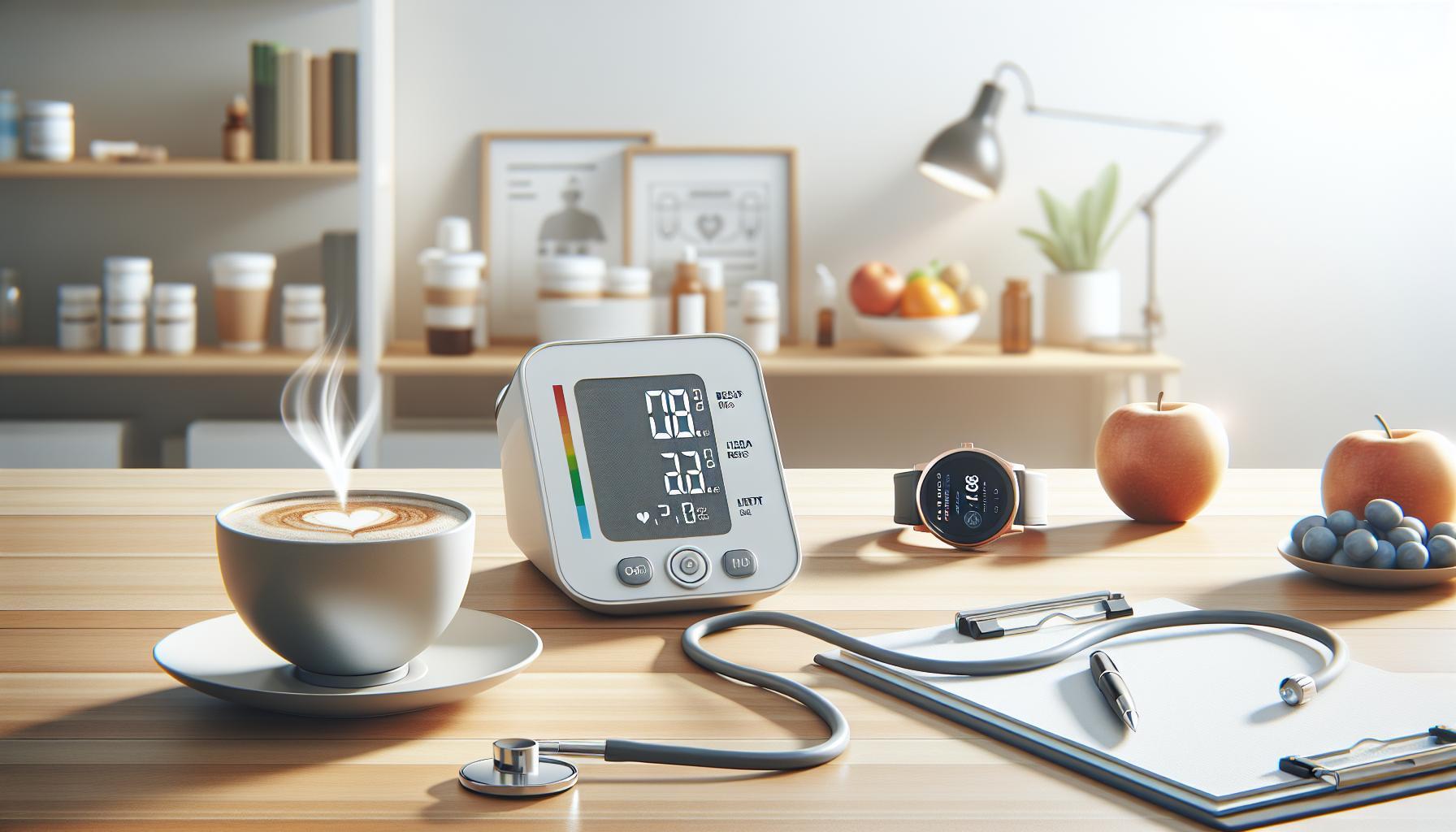

When you’re feeling under the weather, your body goes through a multitude of changes, both obvious and hidden. One often overlooked effect of illness is its potential to elevate blood pressure. Understanding how sickness impacts your cardiovascular health is crucial, especially for those managing pre-existing conditions. Elevated blood pressure can exacerbate health issues and may go unnoticed during times of illness.
Many individuals may wonder whether their typical blood pressure management routines need adjustment during illness. The connection between being sick and blood pressure isn’t just about stress; it involves physiological changes that can affect your heart and overall well-being. By exploring this topic, you’ll gain insights into how to monitor your blood pressure effectively while navigating sickness, empowering you to make informed choices for your health. Stay tuned to uncover the hidden implications of illness on your blood pressure and learn strategies to maintain your well-being during these challenging times.
Understanding Blood Pressure and Illness Connections
Illness can create a complex interplay with blood pressure, often leading to fluctuations that may be alarming yet manageable. When the body is under stress due to illness, whether it’s an infection, inflammation, or chronic disease, it engages its fight-or-flight response, releasing stress hormones like cortisol and adrenaline. This physiological response increases heart rate and constricts blood vessels, which in turn raises blood pressure. Understanding these connections is crucial for effective health management, especially for those already prone to hypertension.
Moreover, certain conditions are notorious for their impact on blood pressure. For instance, respiratory infections can decrease oxygen supply, prompting the heart to work harder, thereby elevating blood pressure levels. Similarly, illnesses that cause pain or discomfort-such as kidney issues-can also provoke spikes in blood pressure. Recognizing these patterns can empower individuals to monitor their health more closely, maintaining a proactive stance rather than reactive one.
To successfully navigate blood pressure changes during illness, it can be beneficial to develop a routine that prioritizes consistent monitoring. Keeping a blood pressure log can help detect any worrying trends or significant changes in response to various health conditions. Pairing this with lifestyle modifications, such as maintaining hydration, managing sodium intake, and practicing relaxation techniques, can bolster your defenses against erratic blood pressure readings. By fostering awareness and understanding of how illness impacts blood pressure, individuals can take charge of their health, cultivating resilience even during challenging times.
How Illness Affects Blood Pressure Mechanisms
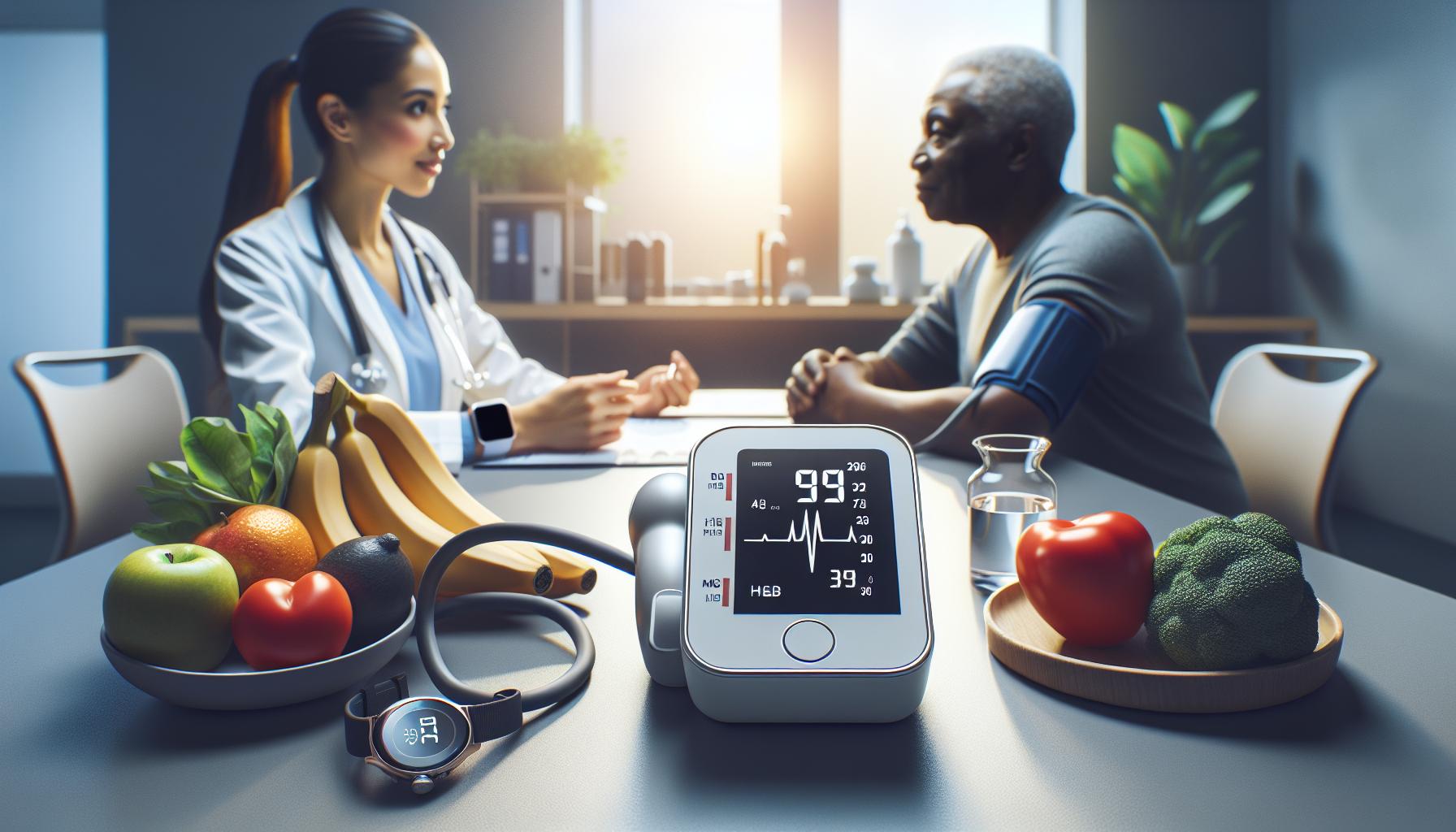
Illness doesn’t just make you feel unwell; it can also profoundly affect your blood pressure. When the body is faced with illness-be it an acute infection, chronic disease, or any form of inflammation-it triggers a series of physiological responses aimed at combating the perceived threat. These responses often involve the activation of the sympathetic nervous system, which releases stress hormones such as cortisol and adrenaline. This hormonal surge not only increases heart rate but also constricts blood vessels, leading to higher blood pressure. For individuals already struggling with hypertension, these changes can create additional challenges that may require careful monitoring and management.
Certain illnesses are particularly notorious for causing rises in blood pressure. For example, conditions like pneumonia can reduce oxygen levels in the blood, forcing the heart to work harder to maintain adequate circulation. Similarly, episodes of severe pain-often linked with kidney stones or other kidney disorders-can provoke acute spikes in blood pressure. The body interprets pain as a stressor, consequently activating the fight-or-flight mechanism. Thus, recognizing these illness-induced patterns is key; by understanding their impact, you can approach health management with greater insight and vigilance.
To effectively monitor blood pressure during times of illness, consider keeping a daily log of your readings. This practice will help you identify trends associated with various symptoms or treatments. Use a reliable blood pressure monitor, ideally one that is validated for accuracy, and take readings at the same times each day for consistency. Alongside this, establishing a routine that incorporates relaxation techniques, staying well-hydrated, and carefully managing your diet-especially sodium intake-can significantly enhance your body’s ability to regulate blood pressure.
In times of illness, awareness and proactive management of your blood pressure can make a meaningful difference in your overall health and recovery. By taking these steps, you not only empower yourself to mitigate the effects of illness on your blood pressure but also foster resilience in navigating your health challenges.
Common Illnesses Known to Elevate Blood Pressure

Certain illnesses can lead to significant increases in blood pressure, often as a consequence of the body’s response to stress, inflammation, and pain. Understanding which conditions are particularly notorious for elevating blood pressure can empower individuals to monitor their health more effectively and make informed decisions about their wellness. For instance, respiratory infections, such as pneumonia or bronchitis, commonly reduce oxygen supply, prompting the heart to work harder to maintain adequate blood flow. This increased workload can lead to elevated blood pressure levels.
Chronic conditions, such as diabetes and kidney disease, are also known to contribute to high blood pressure. In diabetes, fluctuating blood sugar levels can damage blood vessels, making them less flexible, which in turn increases blood pressure. Kidney disease affects the body’s ability to regulate fluids and electrolytes, often leading to hypertension as the kidneys struggle to manage waste and maintain balance. Additionally, severe pain-often associated with conditions like kidney stones, migraines, or fibromyalgia-can trigger acute spikes in blood pressure due to the body’s fight-or-flight response.
To effectively combat the impact of these illnesses on blood pressure, proactive management is essential. Here are some strategies to consider during episodes of illness:
- Monitor your blood pressure regularly: Keeping a daily log of your readings can help you identify any trends related to your health status.
- Maintain hydration: Staying well-hydrated supports overall bodily function and can help manage blood pressure levels.
- Practice relaxation: Techniques such as deep breathing, meditation, or gentle yoga can alleviate stress, potentially lowering blood pressure.
- Communicate with healthcare providers: Always inform your doctor of changes in your blood pressure during illness, especially if you have pre-existing hypertension.
By recognizing and addressing the connections between illness and blood pressure elevation, individuals can take significant steps towards maintaining their health stability, especially in challenging times.
The Role of Stress in Blood Pressure Changes
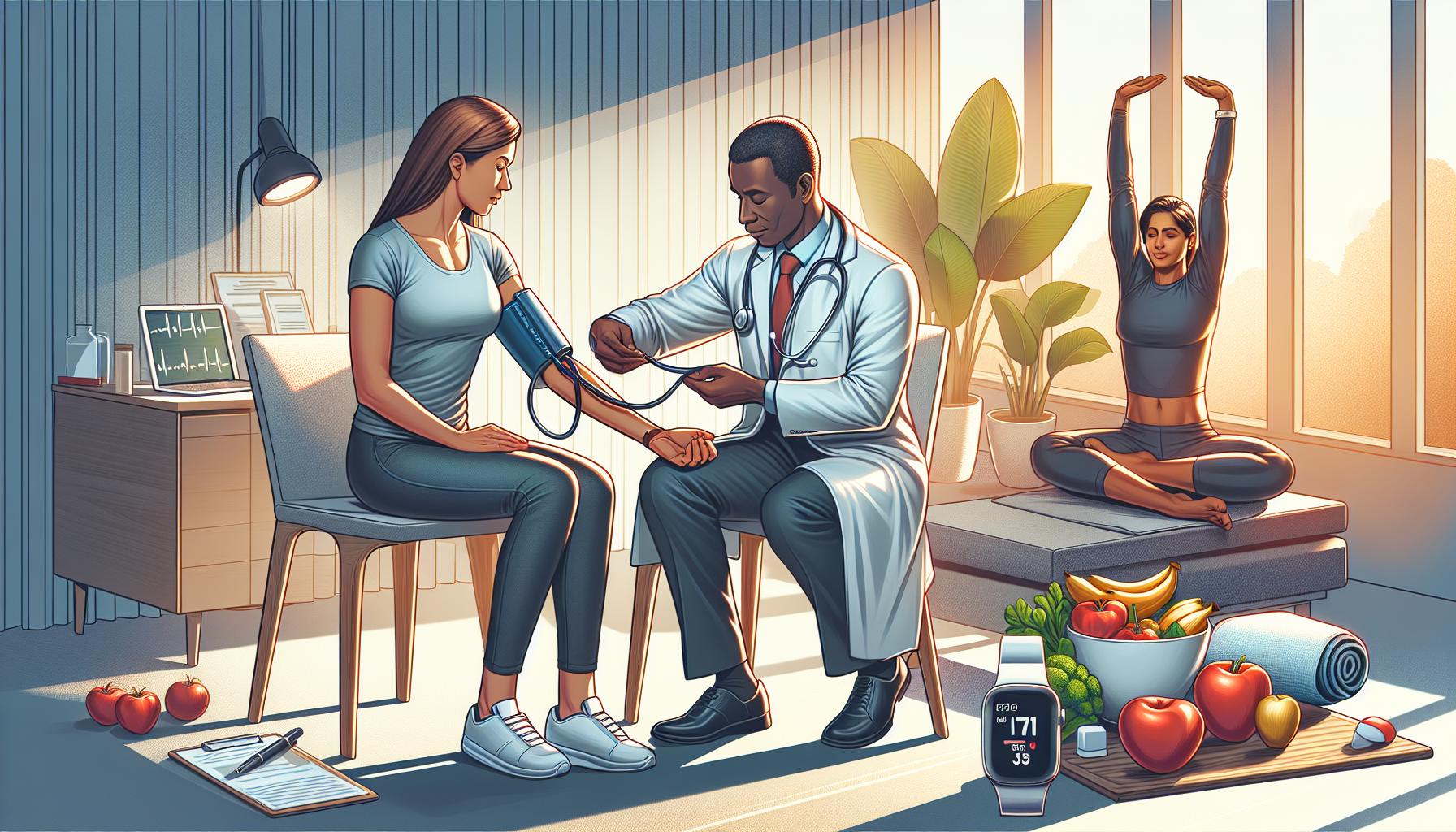
In times of illness, the body naturally reacts to perceived threats, which can significantly affect blood pressure levels. Stress is a prominent factor in this equation, as it triggers a series of physiological responses designed to prepare the body for a “fight-or-flight” situation. This response releases hormones such as adrenaline and cortisol, which lead to an increase in heart rate and vascular resistance-both of which can elevate blood pressure. Chronic stress, often exacerbated by ongoing health issues, can result in consistently high blood pressure, making it crucial to understand how stress management is essential during these times.
To mitigate the impact of stress on blood pressure while you’re unwell, consider implementing practical strategies tailored to your needs. Start by incorporating regular relaxation techniques into your daily routine. Practices such as deep breathing exercises, mindfulness meditation, and progressive muscle relaxation can help calm the nervous system, lowering heart rate and blood pressure gradually. Research has shown that engaging in these techniques can lead to a measurable reduction in stress-induced blood pressure spikes, emphasizing their importance in health management.
It’s also beneficial to maintain a clear line of communication with your healthcare provider regarding stressors that may arise during illness. Clearly discussing any feelings of anxiety, discomfort, or additional pain can empower your provider to offer tailored advice. This partnership can facilitate personalized strategies to help you cope. If needed, your healthcare provider may suggest counseling or stress management programs, which have been proven effective for many in managing both chronic stress and high blood pressure.
Lastly, don’t underestimate the power of social support. Engaging with friends, family, or support groups can significantly alleviate feelings of isolation and anxiety associated with illness. Sharing experiences and coping strategies not only provides emotional comfort but can also reinforce a proactive approach to health challenges. By harnessing stress-reduction techniques and nurturing supportive relationships, individuals can significantly improve their overall wellbeing and more effectively manage blood pressure during periods of illness.
Monitoring Blood Pressure During Illness: A Guide
Monitoring your blood pressure during illness can be a critical aspect of maintaining your overall health. When the body is under stress from sickness, it not only affects how we feel but can also lead to temporary spikes in blood pressure. Regular monitoring can demystify these changes and help you understand how your body responds to illness. Here’s how to effectively keep track of your blood pressure when you’re unwell.
Steps for Effective Blood Pressure Monitoring
To ensure accurate blood pressure readings, it’s essential to establish a routine. Here are some practical steps to consider:
- Choose a quiet environment: Make sure to measure your blood pressure in a calm setting, free from distractions. This helps in obtaining a more accurate reading.
- Correct posture is key: Sit comfortably with your feet flat on the floor and back straight. Rest your arm on a table at heart level.
- Take multiple readings: To get an accurate picture, take your blood pressure at different times throughout the day. Aim for at least two readings and average them out.
- Record your results: Keeping a log of your blood pressure readings, along with notes about how you’re feeling or any symptoms, can provide valuable insights for you and your healthcare provider.
Understanding Your Readings
Blood pressure readings consist of two numbers: systolic (the upper number) and diastolic (the lower number). Knowing what’s normal for you can help interpret your results. Generally, normal blood pressure is considered to be around 120/80 mmHg. During illness, it’s not unusual for systolic readings to rise temporarily due to physiological stress. If you notice consistent readings above 130/80 mmHg, it’s advisable to consult your healthcare provider.
When to Seek Medical Help
Keep an eye out for warning signs. If you experience significantly elevated blood pressure readings (for example, 180/120 mmHg or higher), or if you develop symptoms such as severe headaches, chest pain, or difficulty breathing, seek medical attention immediately. These may indicate complications requiring urgent care.
Regular blood pressure monitoring isn’t just about tracking numbers-it’s also an opportunity for proactive health management. By taking control and being aware of your body’s responses during illness, you empower yourself to act swiftly if concerns arise, ultimately supporting better health outcomes.
Managing Blood Pressure When You’re Sick
When illness strikes, many people experience a surge in anxiety, and it’s not uncommon for blood pressure to spike as a result. The body’s response to illness involves a complex interplay of physiological mechanisms, often leading to elevated blood pressure levels. Understanding how to manage your blood pressure during these times is crucial for maintaining overall health and well-being.
A few effective strategies can help you keep your blood pressure in check while you’re unwell. First and foremost, maintaining hydration is essential. Dehydration can lead to increased blood viscosity, which can elevate blood pressure. Aim to drink plenty of fluids, preferably water, herbal teas, or low-sodium broths, to help maintain optimal blood flow. Additionally, a balanced diet rich in potassium, found in foods like bananas, avocados, and leafy greens, can assist in regulating blood pressure levels.
Another key factor is managing stress, which can significantly impact blood pressure. Techniques such as deep breathing exercises, meditation, or gentle yoga can help calm the mind and body. Even short sessions of these practices can yield noticeable benefits. Engaging in mild physical activity, as permitted by your condition, can also promote relaxation and improve blood circulation.
It’s equally important to maintain open communication with your healthcare provider. Regularly monitoring your blood pressure at home will give you valuable insights into how your body reacts to illness, allowing for prompt adjustments to your care plan if necessary. Keep a detailed log of your readings along with any symptoms you may be experiencing, and share this information with your doctor during follow-up appointments.
By proactively managing your blood pressure through hydration, nutrition, stress management, and consistent monitoring, you can navigate the challenges of being sick with greater confidence and assurance. You’ll not only support your cardiovascular health but also empower yourself to recover more effectively.
Long-Term Effects of Illness on Blood Pressure Levels
When illness takes hold, it can lead to more than just discomfort; it can initiate long-lasting changes in your blood pressure levels. Understanding these potential effects is crucial for anyone managing their health. Persistent inflammation, increased stress hormones, or even changes in medication regimens during illness can contribute to ongoing hypertension, making awareness and proactive management essential.
Chronic illnesses such as diabetes, kidney disease, or heart conditions can alter the body’s regulatory systems, leading to elevated blood pressure that may persist long after recovery from the initial illness. For example, a study conducted on individuals recovering from severe infections indicated that many experienced sustained hypertension due to lingering psychological stress and inflammatory responses. The implications can be serious, as uncontrolled high blood pressure can increase the risk of heart disease, stroke, and other cardiovascular complications.
Recognizing Long-term Trends
Monitoring your blood pressure over an extended period can reveal important trends. It’s beneficial to keep a daily log, noting any fluctuations and correlating them with stress levels, hydration, dietary changes, and illness history. Consider:
- Daily Monitoring: Check your blood pressure at the same time daily to spot any alarming changes.
- Nutritional Adjustments: Incorporate a heart-healthy diet rich in fruits, vegetables, and whole grains, which can help mitigate some effects of elevated blood pressure.
- Regular Check-ups: Maintain regular appointments with your healthcare provider for professional monitoring and advice.
Understanding how your body responds to illness and recognizing the signs of potential long-term blood pressure elevation can empower you to take charge of your health. Emphasizing lifestyle adaptations such as stress management techniques-like mindfulness and physical activity-can also play a key role in stabilizing blood pressure levels over time.
In conclusion, the connection between illness and blood pressure is complex and requires continuous attention. By actively engaging in self-monitoring and making informed lifestyle choices, you will build resilience against the long-term impacts of illness on blood pressure, promoting better health and overall well-being.
When to Seek Medical Help for High Blood Pressure
Monitoring your blood pressure during illness is crucial, as changes in your health can create fluctuations that warrant medical attention. If your readings consistently exceed 130/80 mmHg, it’s a signal that should not be ignored. Elevated blood pressure, especially when accompanied by symptoms such as headaches, dizziness, chest pain, or shortness of breath, requires prompt evaluation. Ignoring these signs can lead to serious health complications, including heart disease and stroke.
Recognizing when to seek medical help can significantly impact your health outcomes. Consider making an appointment if you experience persistent high blood pressure readings over several days, particularly in conjunction with other concerning symptoms. Regular monitoring is essential during recovery from an illness. Utilize a home blood pressure monitor for daily readings, and record these numbers to provide valuable context for your healthcare provider.
When to Call Your Doctor
You should contact your healthcare provider if you notice any of the following:
- Severe or Uncontrolled Hypertension: Readings consistently above 140/90 mmHg.
- New Symptoms: Headaches, vision changes, or difficulty breathing.
- Increased Medication Changes: Adjustments to your blood pressure or other medications during your illness.
Proactive management of blood pressure is vital, especially after recovering from severe illnesses. If your blood pressure remains high, don’t hesitate to integrate your experiences and trends into discussions with your doctor. Emphasizing open communication about your readings and any new symptoms can help your healthcare professional tailor a treatment plan that’s specifically designed for you, ensuring you remain on the path to better health.
Lifestyle Changes for Maintaining Healthy Blood Pressure
Maintaining healthy blood pressure is a multifaceted endeavor that becomes even more crucial during and after an illness. The body often faces additional stressors during sickness-from inflammation and pain to the side effects of medications-all of which can contribute to elevated blood pressure. Implementing lifestyle changes can act as a vital counterbalance, helping to stabilize your readings and promote overall cardiovascular health.
One of the most effective strategies is to adopt a well-balanced diet rich in fruits, vegetables, whole grains, and lean proteins. The DASH (Dietary Approaches to Stop Hypertension) diet, for example, emphasizes low-sodium choices that can significantly lower blood pressure levels. Incorporating foods high in potassium, such as bananas, oranges, and spinach, can further help balance out sodium levels in the body. When grocery shopping, consider reading nutrition labels to help identify products with lower sodium content.
Regular physical activity is another cornerstone of blood pressure management. Aim for at least 150 minutes of moderate aerobic exercise each week, such as brisk walking or cycling. Not only does exercise improve cardiovascular fitness, but it also helps reduce stress, a known contributor to hypertension. If you’re recovering from an illness, start with light activities and gradually increase intensity as you gain strength. Always consult with your healthcare provider to tailor an exercise plan that aligns with your recovery process.
Stress management techniques such as mindfulness, meditation, and deep-breathing exercises can also be instrumental in maintaining healthy blood pressure levels. Engaging in these practices reduces stress hormones in the body, thereby minimizing their impact on your cardiovascular system. Incorporating a consistent routine of relaxation techniques can be beneficial, so set aside time each day for these practices, whether it’s through guided meditation apps or simply enjoying a quiet moment in nature.
Finally, being proactive about lifestyle changes means monitoring your progress regularly. Use a home blood pressure monitor to track your readings and identify patterns over time. Keeping a journal of your blood pressure readings alongside notes about your diet, exercise, and stress levels can help you and your healthcare provider make informed decisions about your management plan. By taking these steps, you empower yourself to maintain not just stable blood pressure but also a better quality of life overall.
Debunking Myths About Illness and Blood Pressure
Many individuals hold misconceptions about how illness influences blood pressure, often leading to confusion and unnecessary anxiety. One common belief is that all illnesses invariably increase blood pressure levels. While it’s true that many conditions can elevate blood pressure due to stress, inflammation, or medication side effects, this is not a universal rule. For instance, certain viral infections might lead to lower blood pressure as the body reacts to severe illness, especially if accompanied by dehydration.
Another myth asserts that high blood pressure during illness is always dangerous. While fluctuations in blood pressure are common, they don’t always indicate a severe underlying issue. Temporary elevations may occur due to physical stress, pain, or anxiety related to being unwell. Understanding that these changes can be a part of the body’s normal response helps reduce panic and enables individuals to focus on recovery rather than fearing potential complications.
Additionally, some people believe that only medications are effective in managing blood pressure during illness. In reality, lifestyle modifications play a crucial role, especially when recovering from sickness. Incorporating a well-balanced diet, varying from the DASH diet to other heart-healthy foods, staying hydrated, and practicing relaxation techniques such as deep breathing or yoga can significantly help manage blood pressure levels, allowing the body to recover more efficiently.
To cultivate a healthier outlook, it’s essential to regularly monitor your blood pressure, especially when feeling unwell. Using a home monitor can provide insight into how your body responds to various health challenges. If you notice persistent high readings, consult your healthcare provider for tailored advice. By dispelling these myths and focusing on proactive management, you can regain confidence in your health journey and empower yourself to maintain a balanced blood pressure, even during challenging times.
The Importance of Regular Blood Pressure Monitoring
Monitoring blood pressure regularly is akin to checking the pulse of your overall health, especially when illness arises. Unexpected fluctuations can occur during sickness due to various factors such as medication, body stress responses, or dehydration. Understanding these variations and keeping track of your readings empowers you to respond appropriately to your body’s signals.
To effectively monitor your blood pressure, consider these essential steps:
- Choose a reliable monitor: Use an automatic, validated blood pressure cuff for accurate readings. Ensure it fits properly on your arm.
- Know when to measure: Monitor your blood pressure at the same times each day for consistency, ideally in the morning and evening.
- Maintain a calm environment: Sit quietly for a few minutes prior to measuring to avoid stress and anxiety, which can elevate readings.
- Record your results: Keep a log of your blood pressure readings, noting the time, date, and any relevant factors (e.g., medication taken, recent activities).
Regular monitoring not only highlights significant changes but also helps you identify patterns or triggers associated with high or low readings. This information can be invaluable during medical consultations, as it provides your healthcare provider with insights into your condition’s progress and the effectiveness of current management strategies.
Moreover, recognizing the importance of these readings in context alleviates common fears associated with fluctuations. High blood pressure during illness may simply reflect the body’s stress response rather than a dire situation. By becoming an active participant in your health, you cultivate a deeper understanding of your body’s reactions and enhance your ability to maintain better overall blood pressure control, even amidst illness.
Q&A
Q: How does chronic illness affect blood pressure?
A: Chronic illness can lead to fluctuations in blood pressure due to factors like inflammation, hormonal changes, and reduced physical activity. Managing chronic conditions effectively can help stabilize blood pressure. For more details, refer to the section on “Long-Term Effects of Illness on Blood Pressure Levels.”
Q: What are common symptoms that indicate high blood pressure during illness?
A: Symptoms of high blood pressure can include headaches, dizziness, shortness of breath, and chest pain. Monitoring your blood pressure regularly during illness is crucial to identify these symptoms early. See the “Monitoring Blood Pressure During Illness: A Guide” section for tips.
Q: Can stress caused by illness lead to high blood pressure?
A: Yes, stress from illness can trigger temporary spikes in blood pressure due to the body’s fight-or-flight response. Incorporating stress-reduction techniques can help maintain healthy levels. Explore “The Role of Stress in Blood Pressure Changes” for more strategies.
Q: Are there medications that can raise blood pressure during illness?
A: Certain medications, like NSAIDs and some decongestants, can elevate blood pressure. Always consult with a healthcare provider regarding medications while ill. Check the “Managing Blood Pressure When You’re Sick” section for better medication management.
Q: Why is blood pressure monitoring important during recovery from illness?
A: Monitoring blood pressure during recovery helps detect any abnormalities early, allowing for timely intervention to prevent complications. For guidance, see “Monitoring Blood Pressure During Illness: A Guide.”
Q: How does dehydration from illness affect blood pressure?
A: Dehydration can cause low blood volume, leading to low blood pressure. However, once rehydrated, blood pressure may normalize or even elevate in some cases. Always maintain proper hydration, especially during illness.
Q: What lifestyle changes can help improve blood pressure post-illness?
A: Adopting a balanced diet, regular exercise, and stress management techniques can significantly improve blood pressure post-illness. For specific recommendations, refer to the “Lifestyle Changes for Maintaining Healthy Blood Pressure.”
Q: When should you consult a doctor about blood pressure during illness?
A: Consult a doctor if you experience persistent high blood pressure readings, severe symptoms, or if you notice significant changes during your illness. Early intervention is key to managing health effectively.
Key Takeaways
Understanding the connection between illness and blood pressure can empower you to take control of your health. If you’ve been feeling unwell, it’s crucial to monitor your blood pressure closely-consider keeping a journal of any changes you experience. For further insights, check out our articles on “Managing Hypertension During Illness” and “The Effects of Stress on Blood Pressure,” which provide additional strategies to ensure your well-being.
Don’t wait until the next check-up; take the initiative today! Engage with us by sharing your experiences in the comments, and subscribe to our newsletter for the latest health tips straight to your inbox. Remember, your health is in your hands-stay informed, stay proactive, and let’s tackle any health challenges together!